
Ecuador Mainland:
Volcanoes, Haciendas, and living heritage
From Cotopaxi and Chimborazo to the historic haciendas along the Avenue of the Volcanoes and the ones in Otavalo, mainland Ecuador gives operators a route built on working landscapes and living traditions - not just scenery.
The Avenue of the Volcanoes as a route, not a backdrop
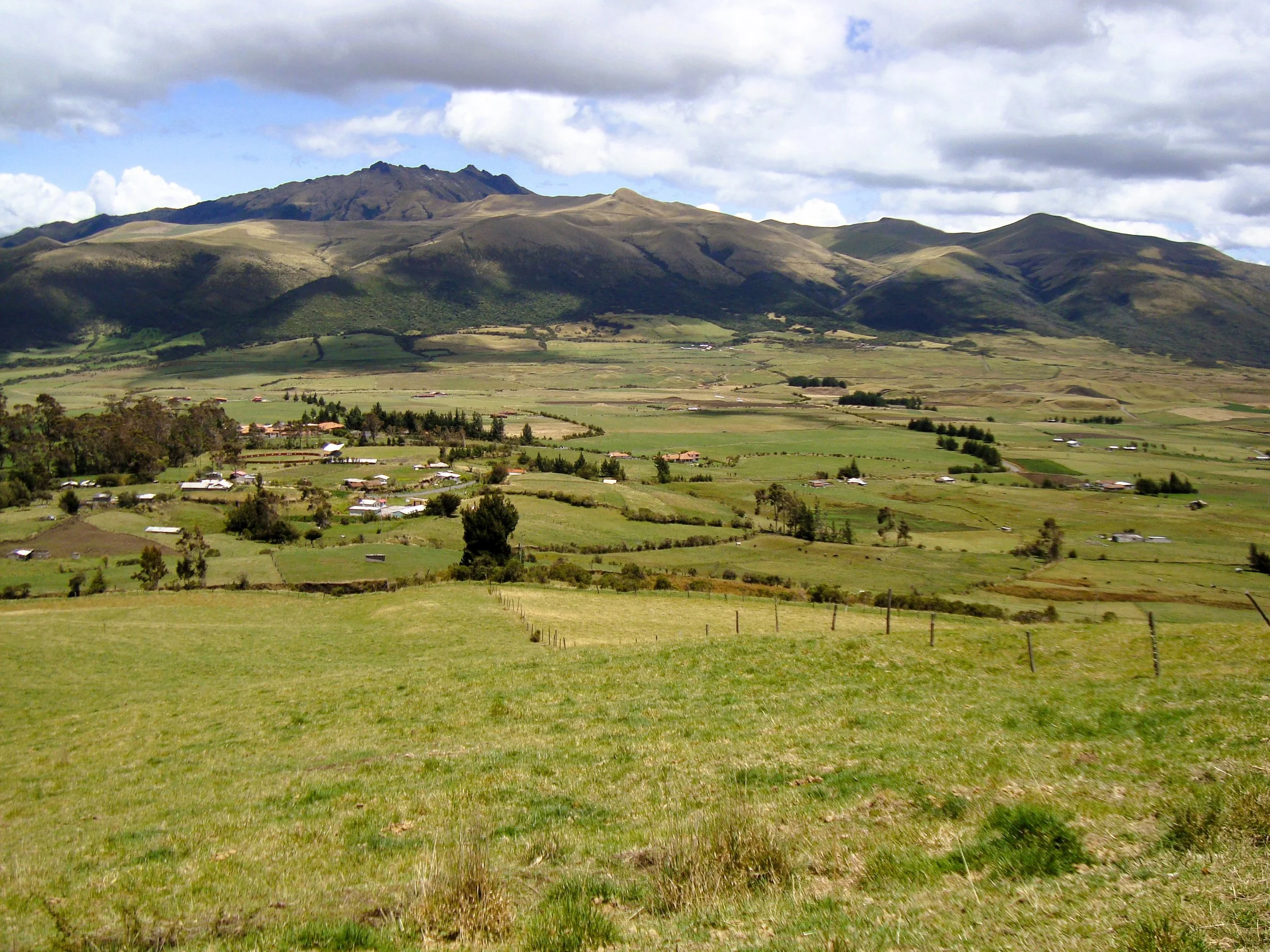
Named by Alexander von Humboldt during his 19th-century travels through Ecuador, the Avenue of the Volcanoes runs south from Quito between two Andean ranges; and it works as a unique single corridor for program-building.
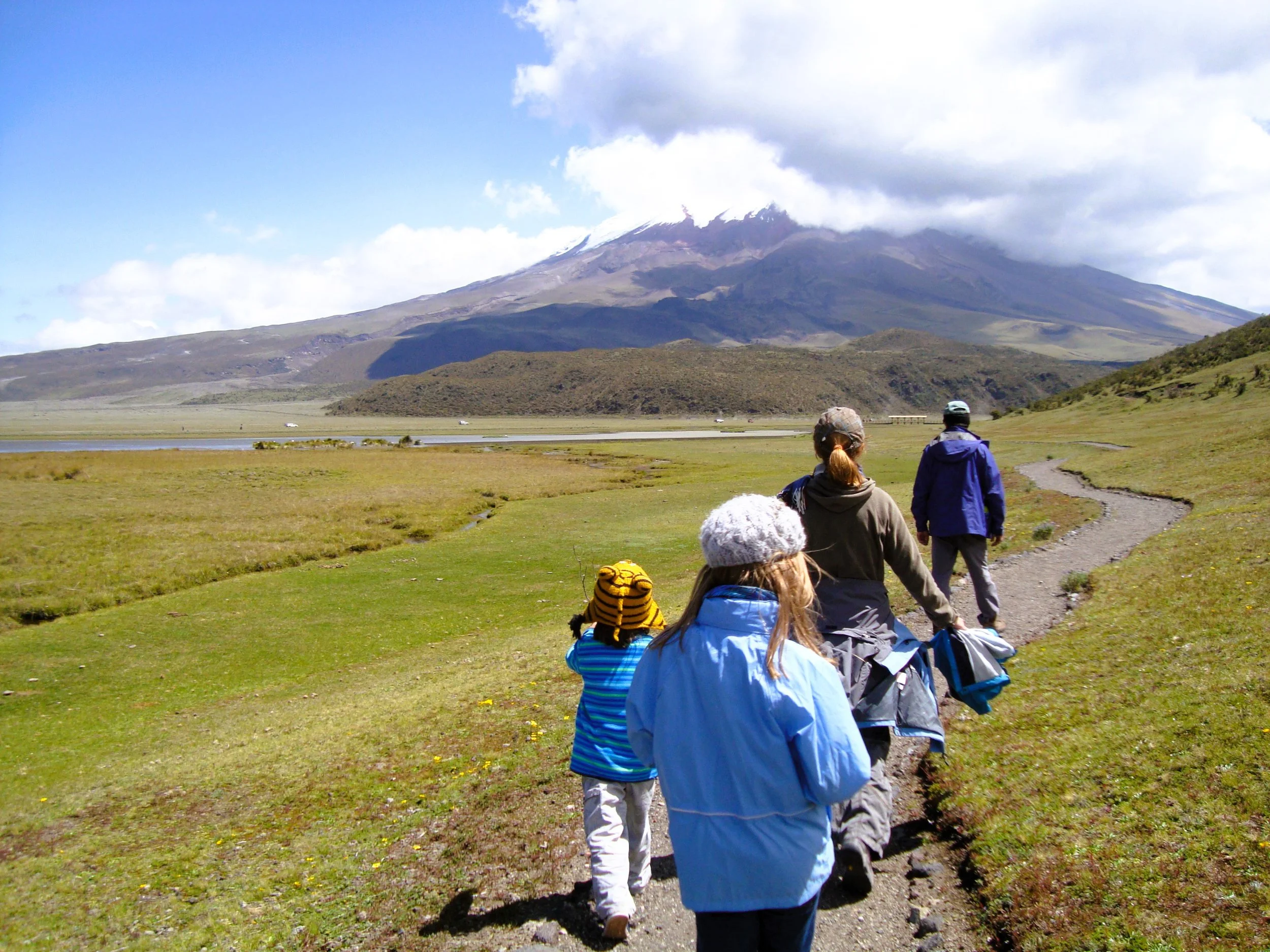
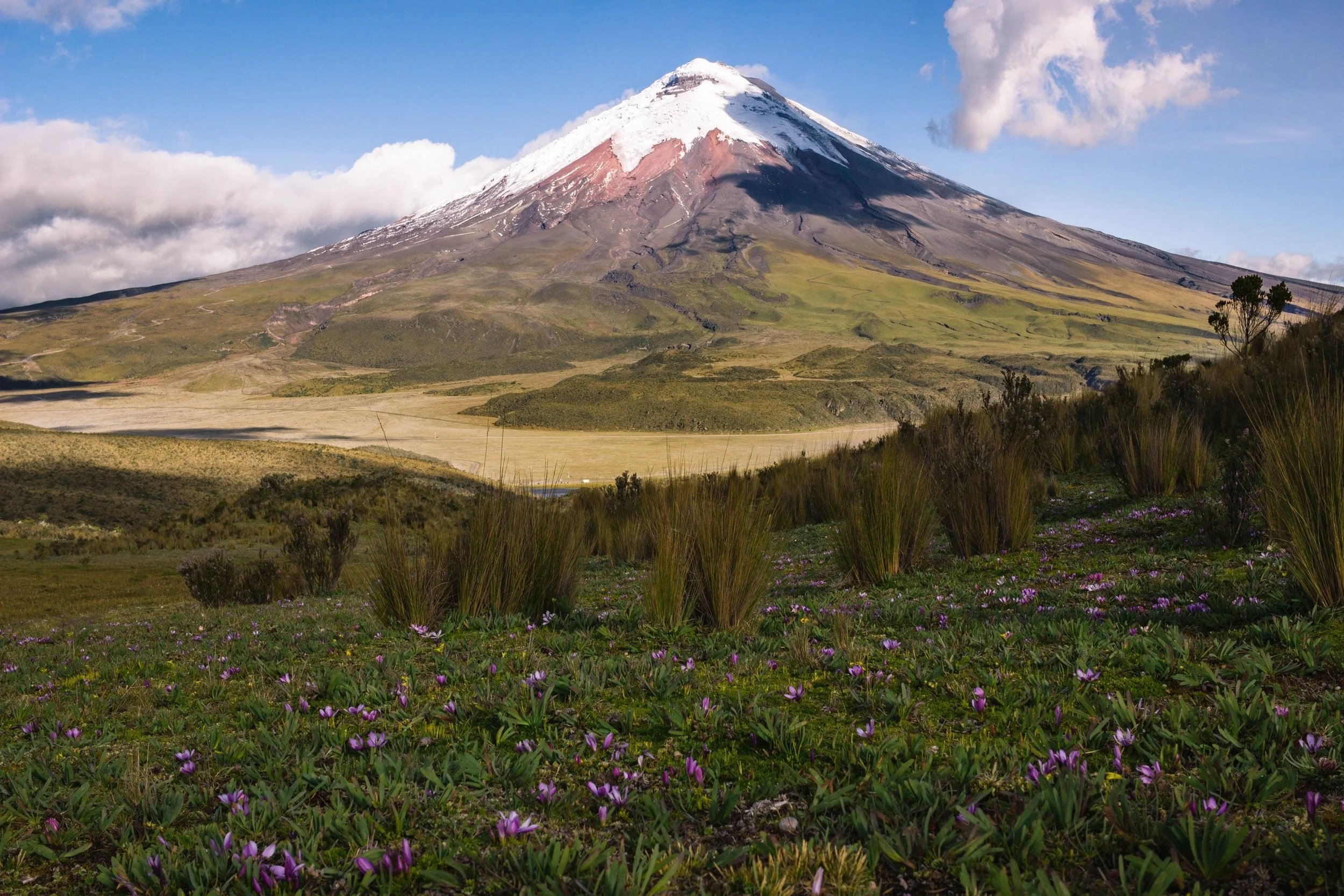
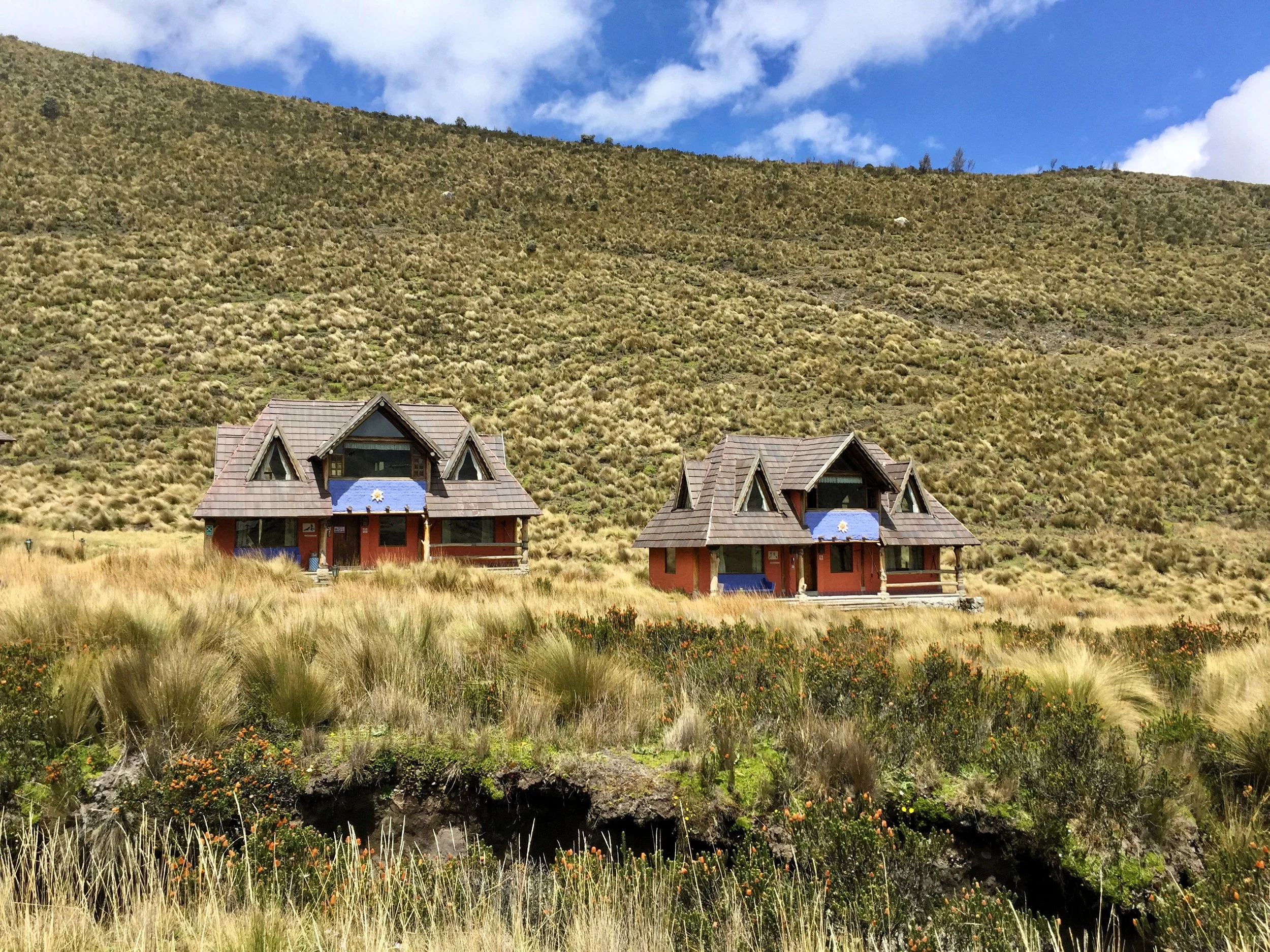
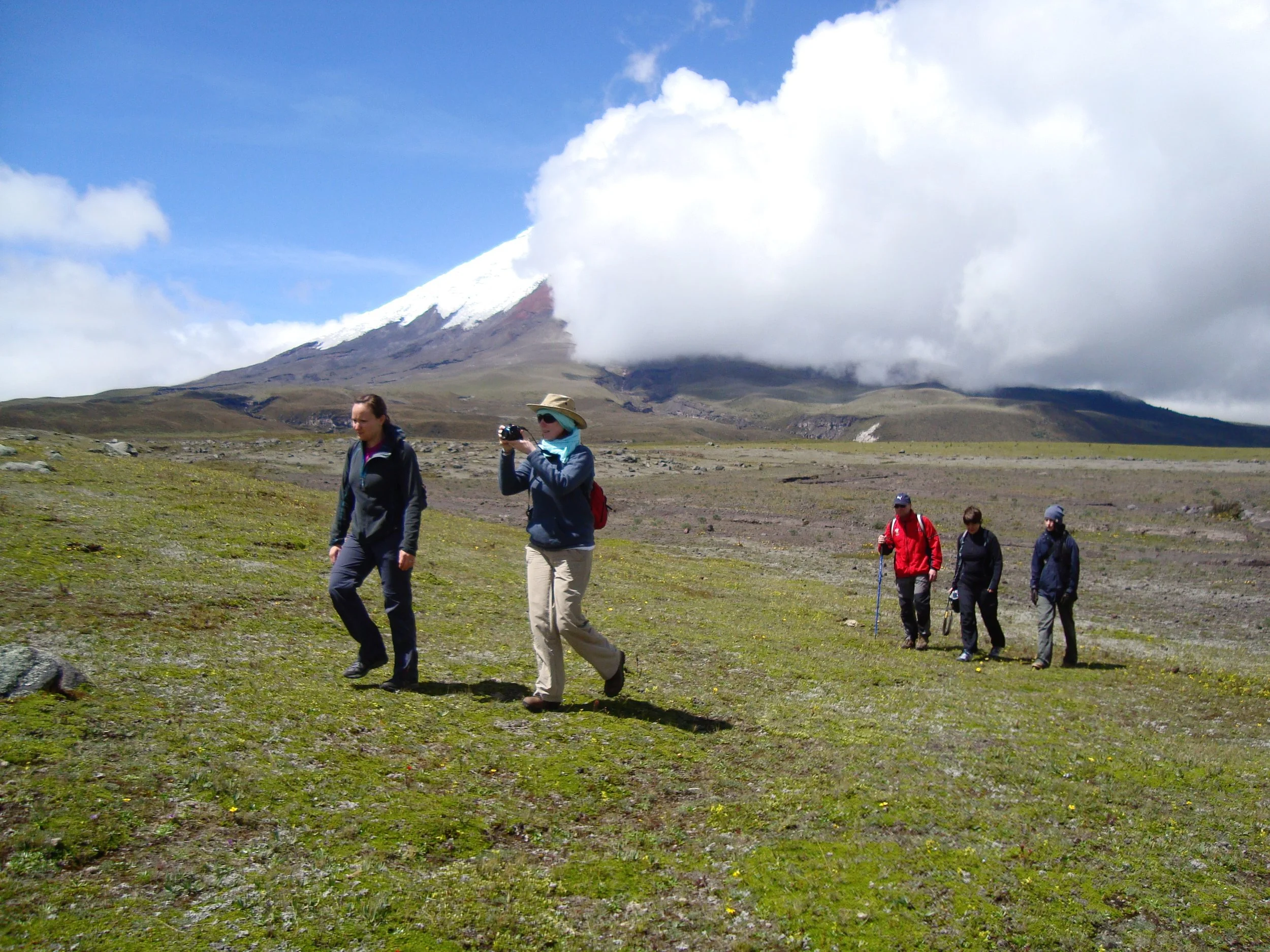
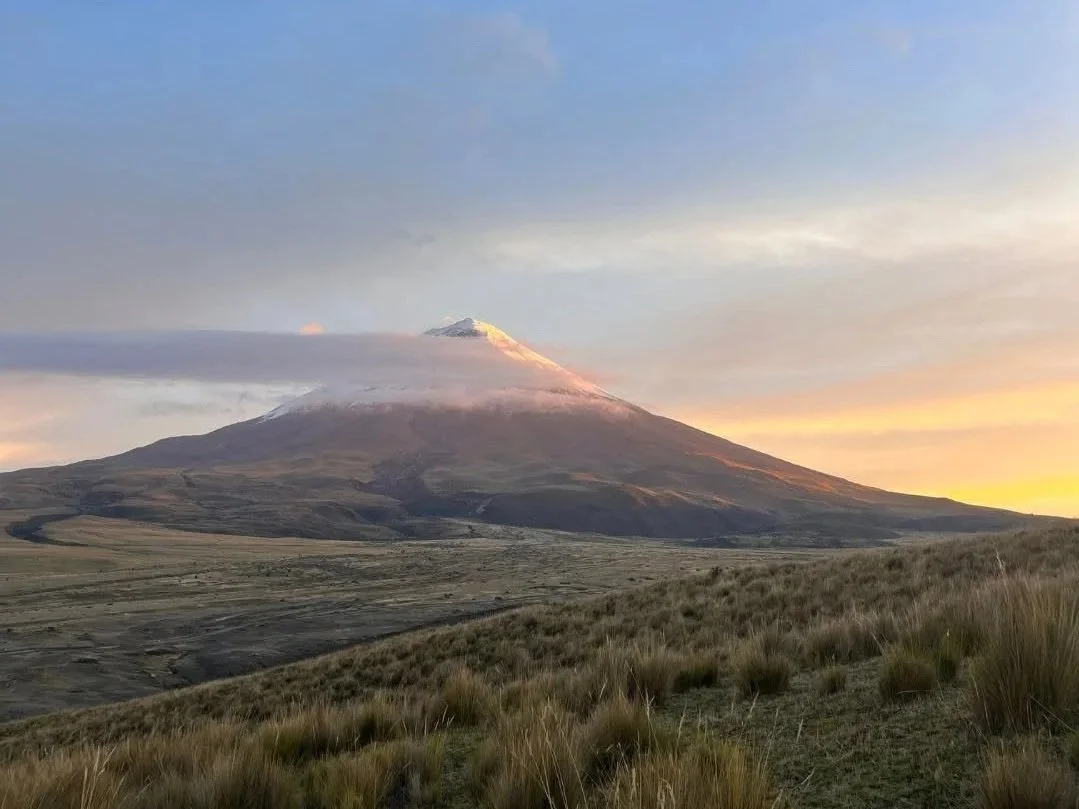
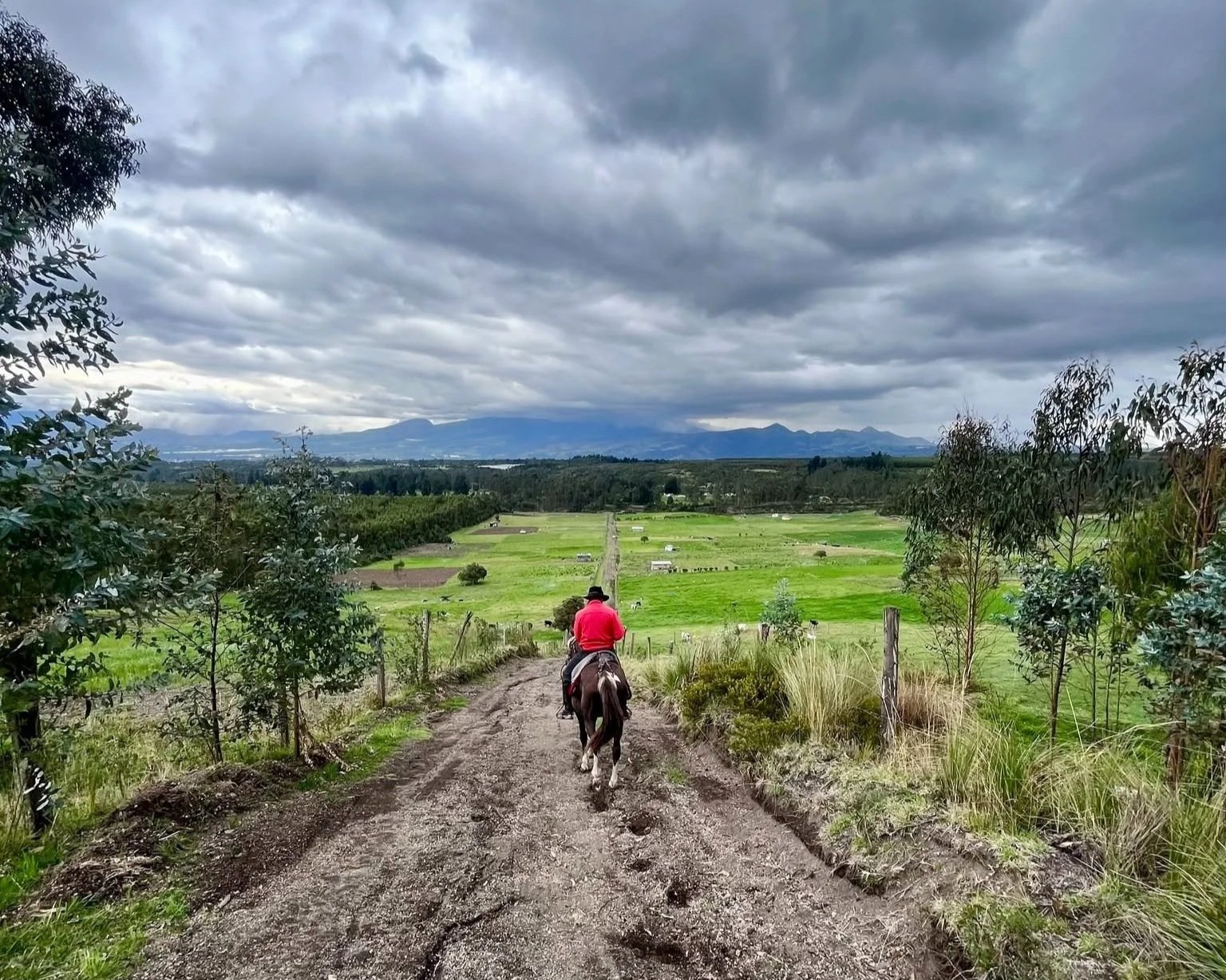
Cotopaxi National Park, closest to Quito, sits around one of the world's highest active volcanoes and anchors Cotopaxi province's economy: Latacunga, the provincial capital, sits at the volcano's base, and the surrounding valleys are one of Ecuador's main rose-export zones, thanks to the volcanic soil and near-constant equatorial sunlight. For operators, this means the park pairs naturally with a working rose farm visit, not just a hike: José Rivas Refuge, cycling and horseback across the páramo, or a walk around Limpiopungo Lake for wildlife (wild horses, foxes, occasional condors). It's also the gateway to the Cotopaxi hacienda cluster - San Agustín de Callo and La Ciénega sit at this end of the corridor.
This is a very special place for adventure, soft adventure, treks, wildlife, among others.
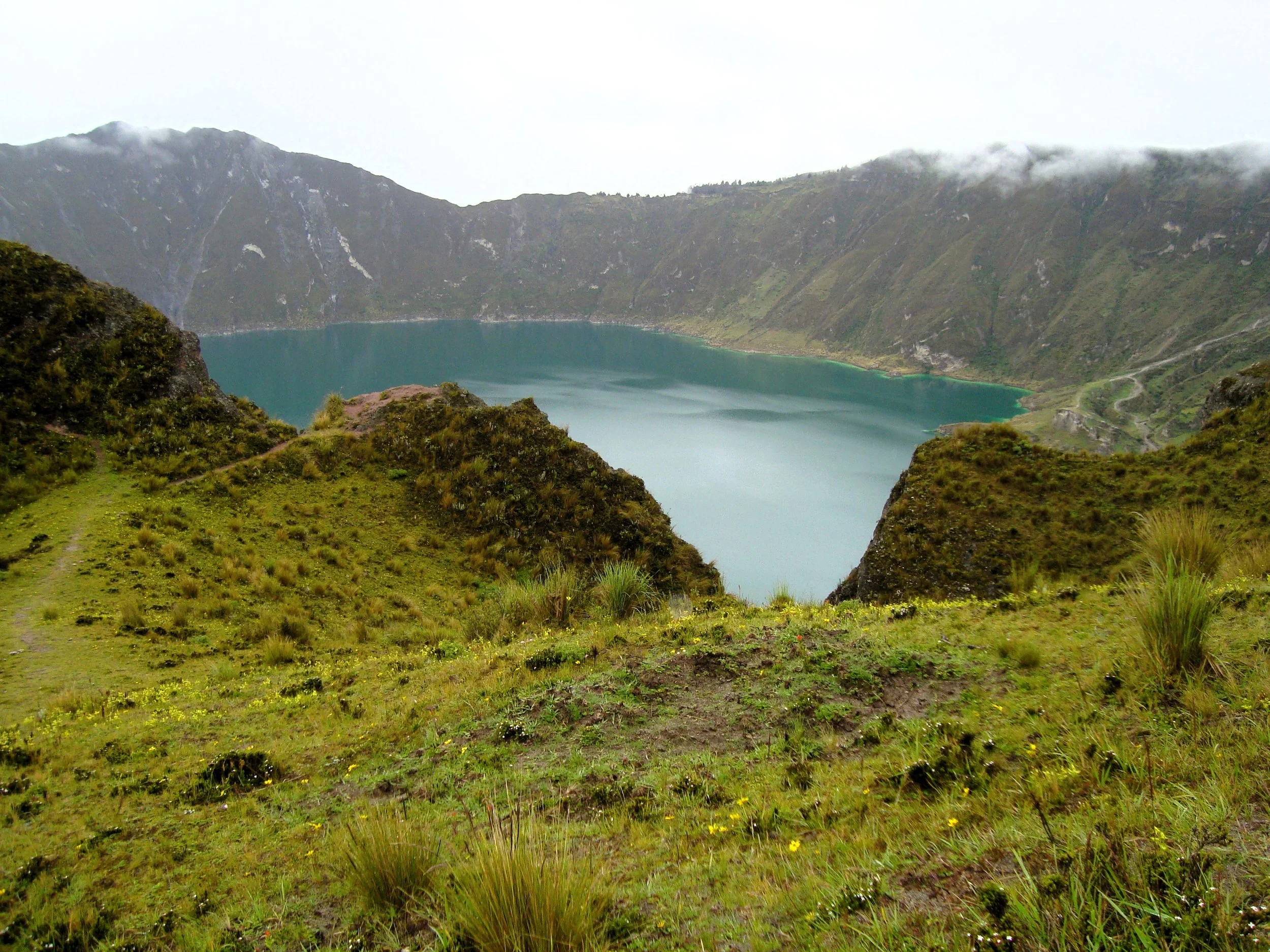
Quilotoa, further south, adds a crater lake reached by hiking, kayaking, or day visits to the indigenous weaving communities around it; useful for a craft/market component without routing all the way to Otavalo.
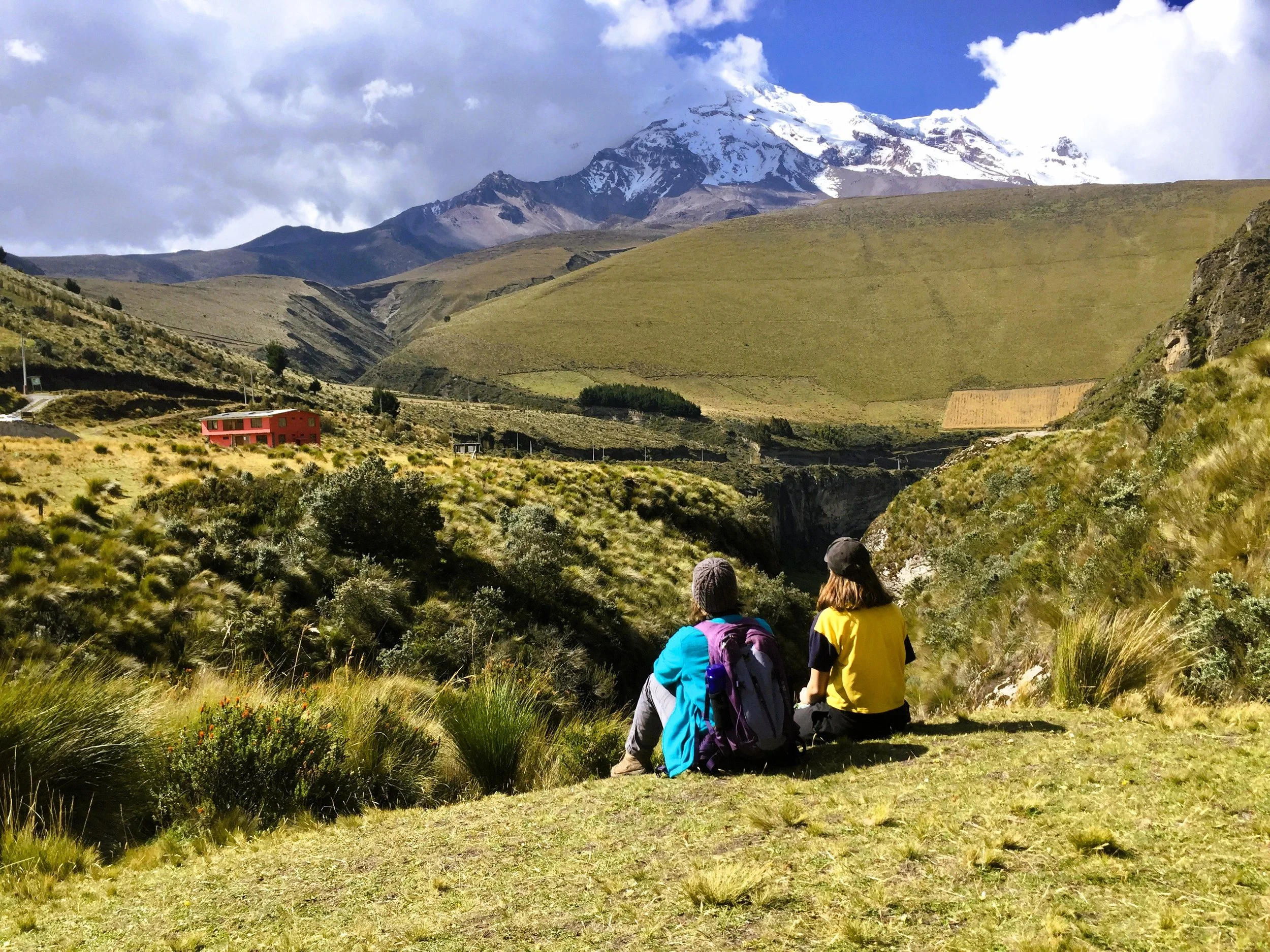
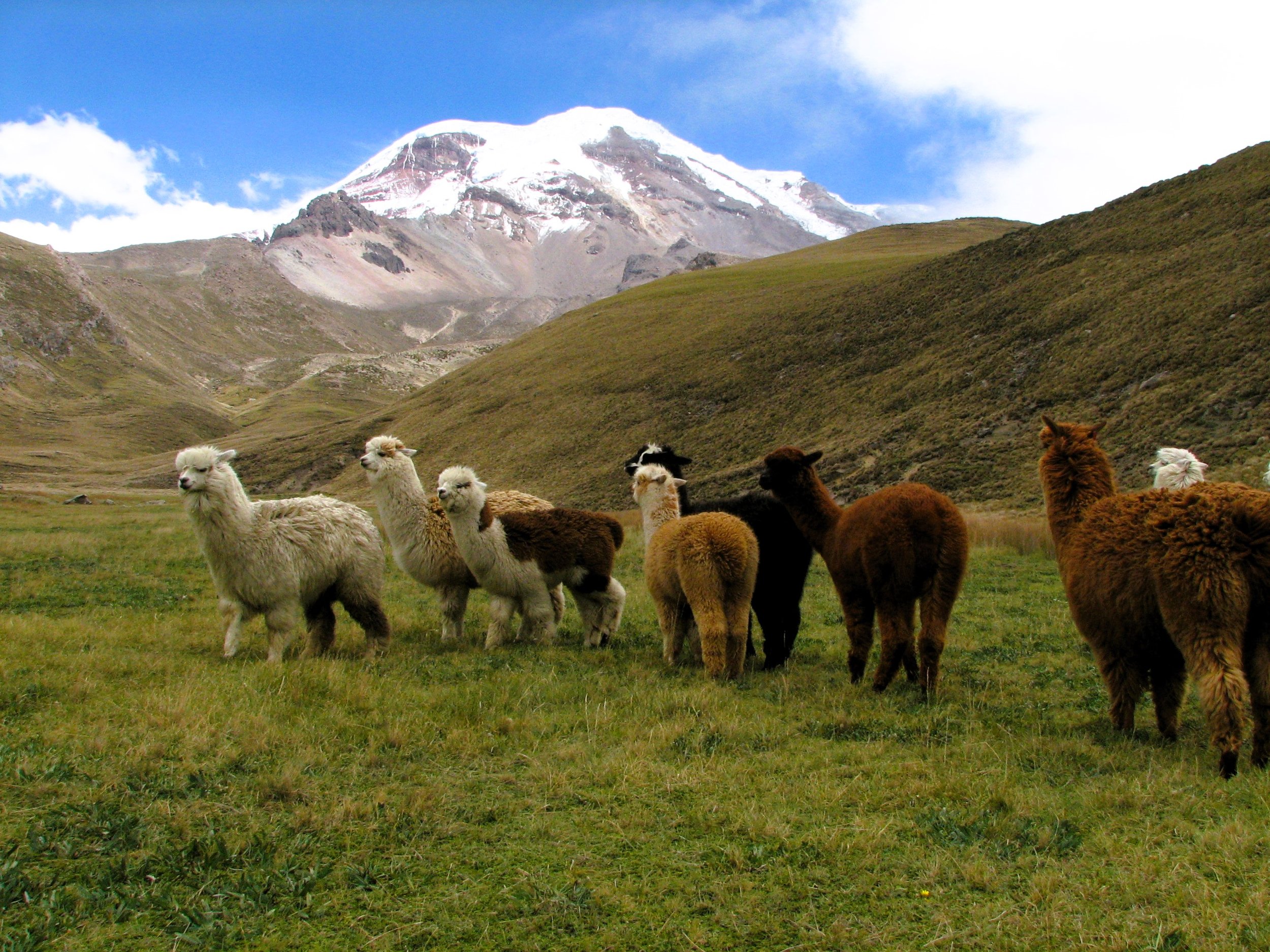
Chimborazo, Ecuador's highest peak and the point on Earth farthest from the planet's core, closes out the corridor for programs with more altitude and adventure focus: hiking, mountain biking, and vicuña sightings on the high plains. This is where Alexander Von Humboldt realized that all ecosystems were related.
Haciendas: Product Depth Beyond the Landscape
Ecuador's historic haciendas split the corridor into two operational clusters, each with its own regional character and traveler fit.
Imbabura: the "Province of Lakes”
Otavalo's indigenous market draws most of the attention, but the province is defined just as much by its scenery: Lake San Pablo and Cuicocha lagoon sit beneath the imposing Imbabura volcano, and the Nudo de Mojanda - with Cerro Fuya Fuya and views reaching toward Cayambe volcano - is a favorite for hiking, photography, and outdoor activity. It's Ecuador's craft and textile heartland; a strong fit for cultural travelers, with cooking classes alongside Otavaleño families adding a hands-on layer beyond the market itself.
Hacienda Zuleta operates as a working estate, not a themed one: a fit for travelers who want to be embedded in daily rural life: the dairy, the horse breeding program, the embroidery workshop run by women from the surrounding community. Its all-inclusive rate structures around chosen activities (riding, cart rides, biking, embroidery, milking, self-guided trails to Condor Huasi), making it easy to build a full day here without stacking external excursions.
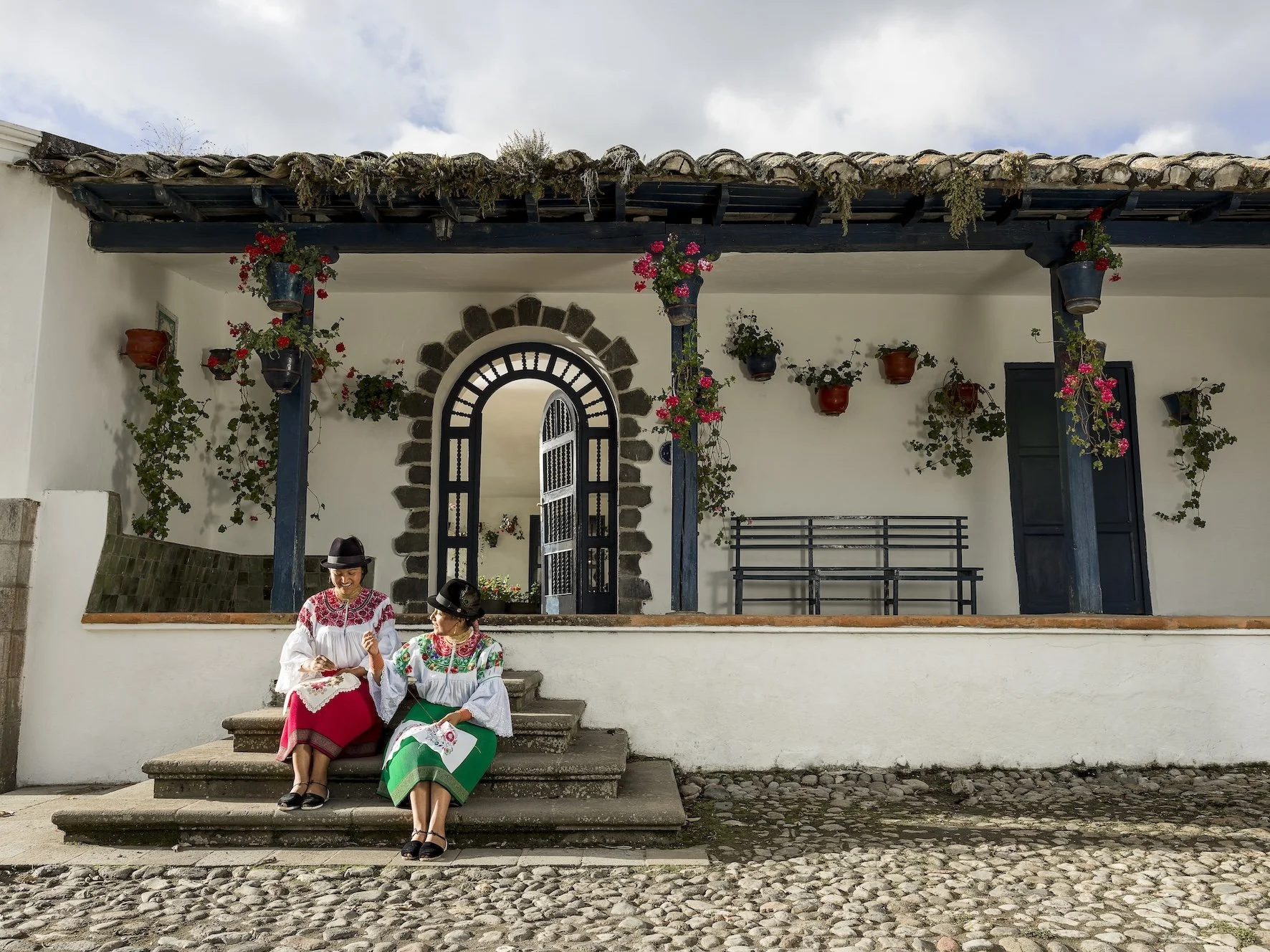
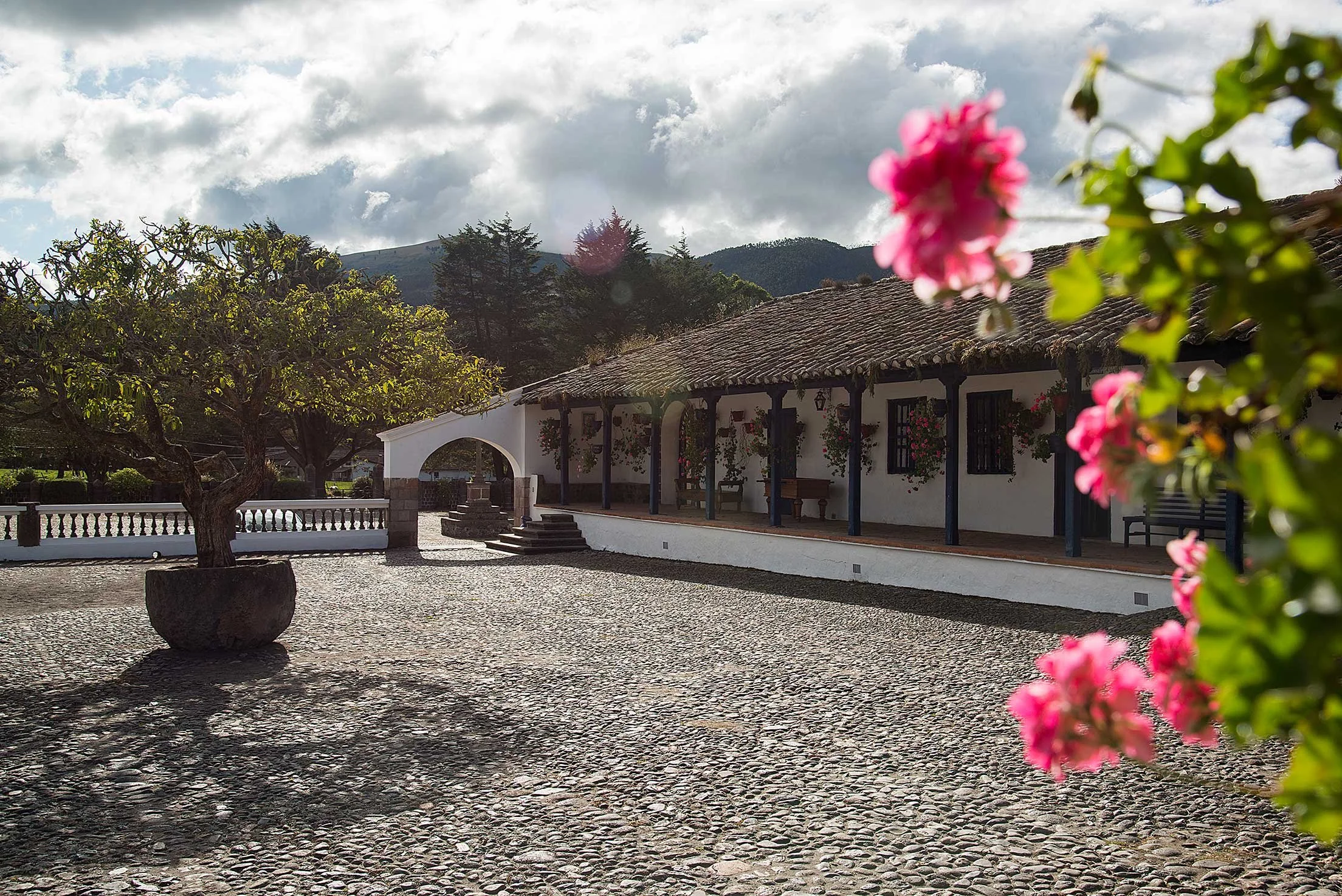
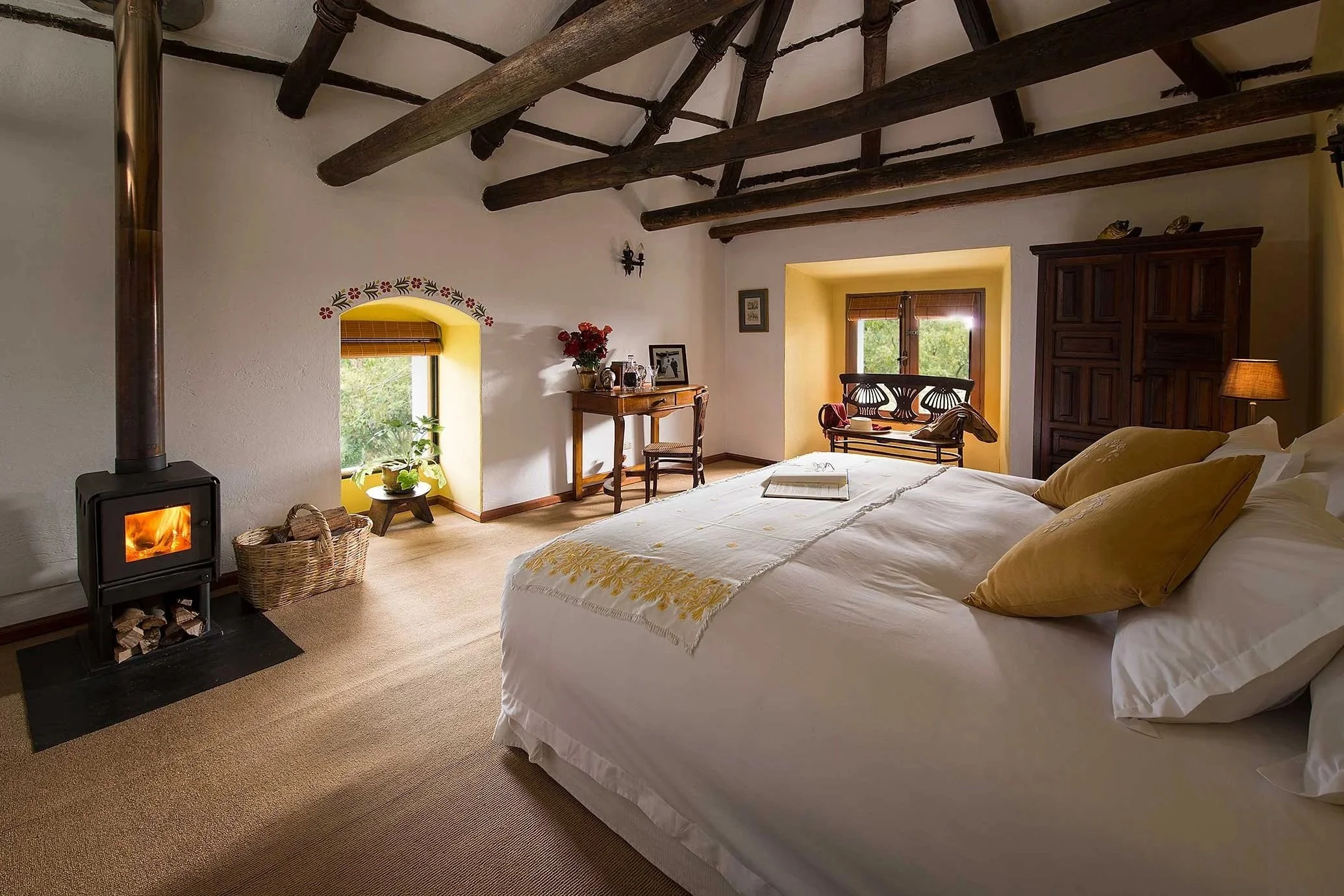

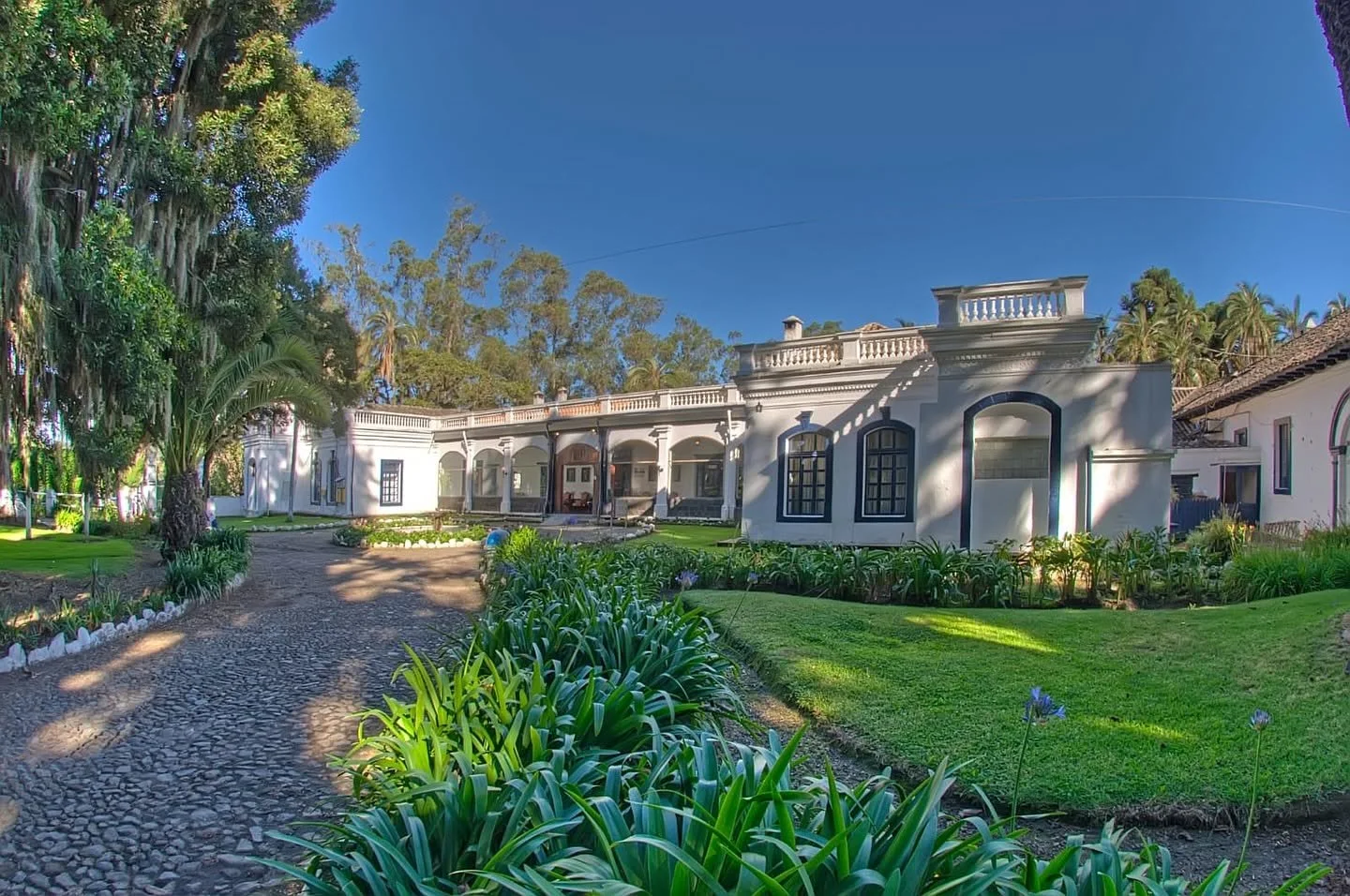
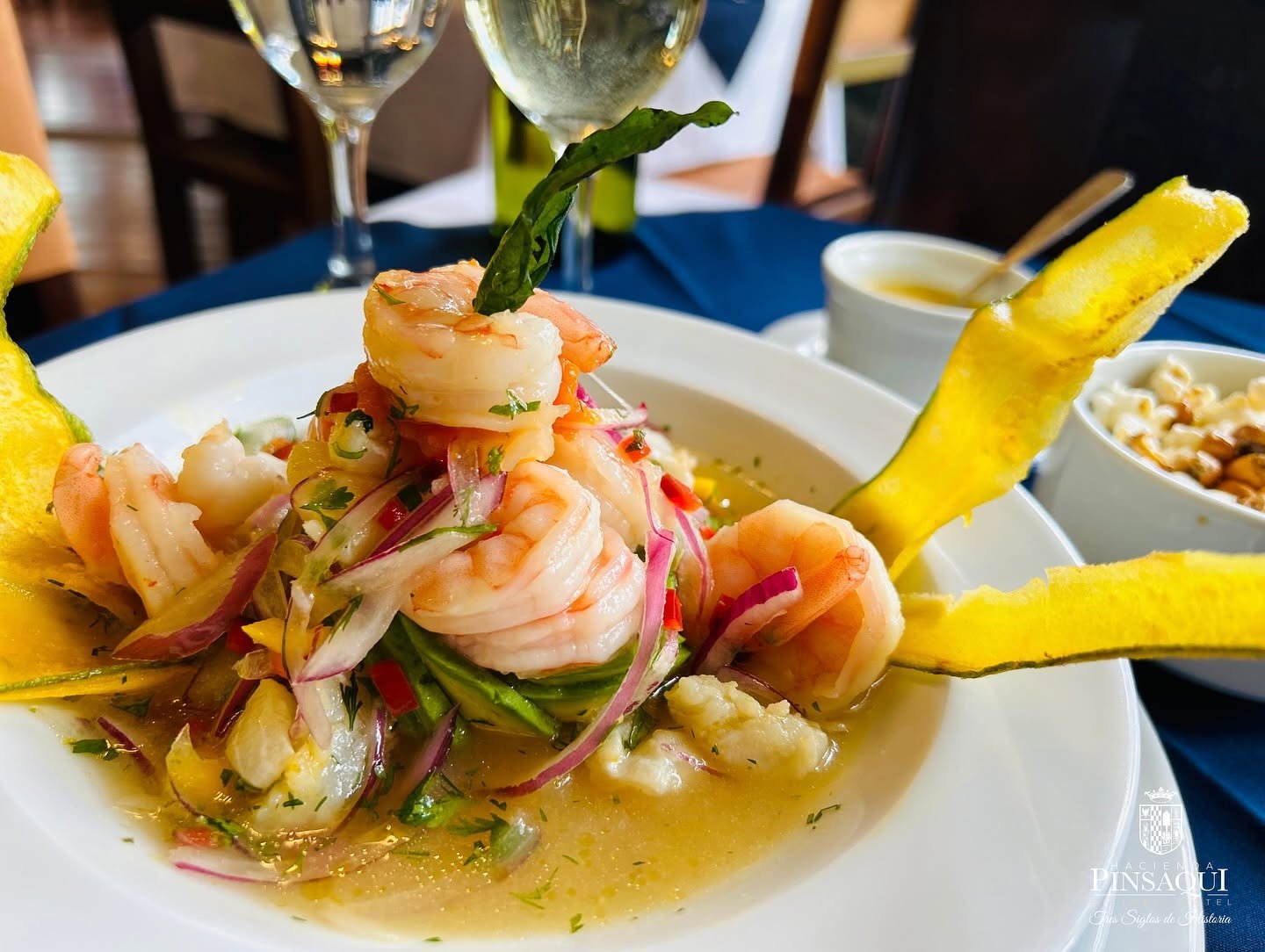
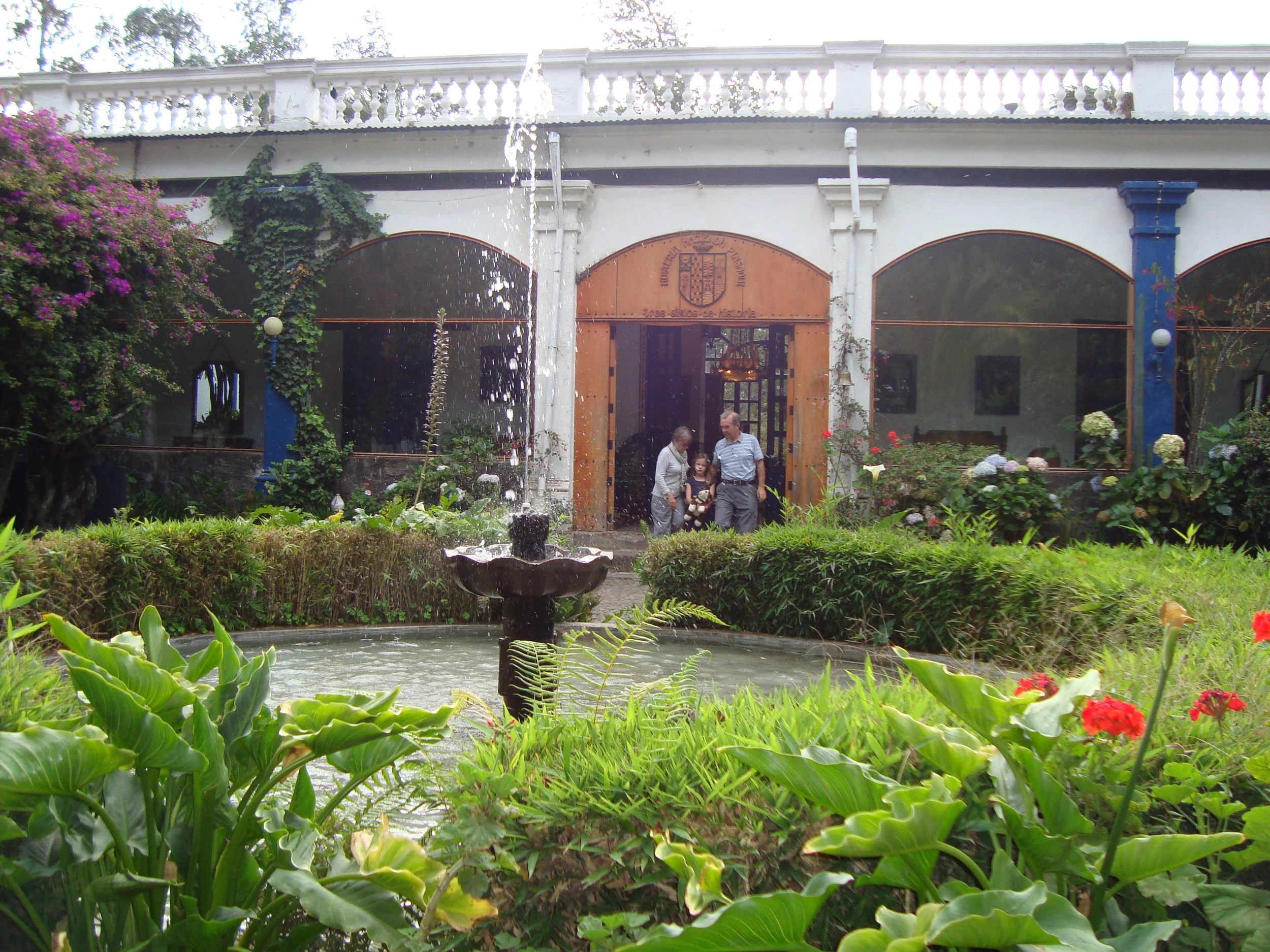
Hacienda Pinsaquí, a 10-minute drive from Otavalo, suits a traveler who wants a comfortable, low-key base for a market day rather than an immersive farm experience: colonial architecture and gardens as a quiet counterpoint to a busy market morning, with a natural pairing to the Quilotoa craft communities further south.
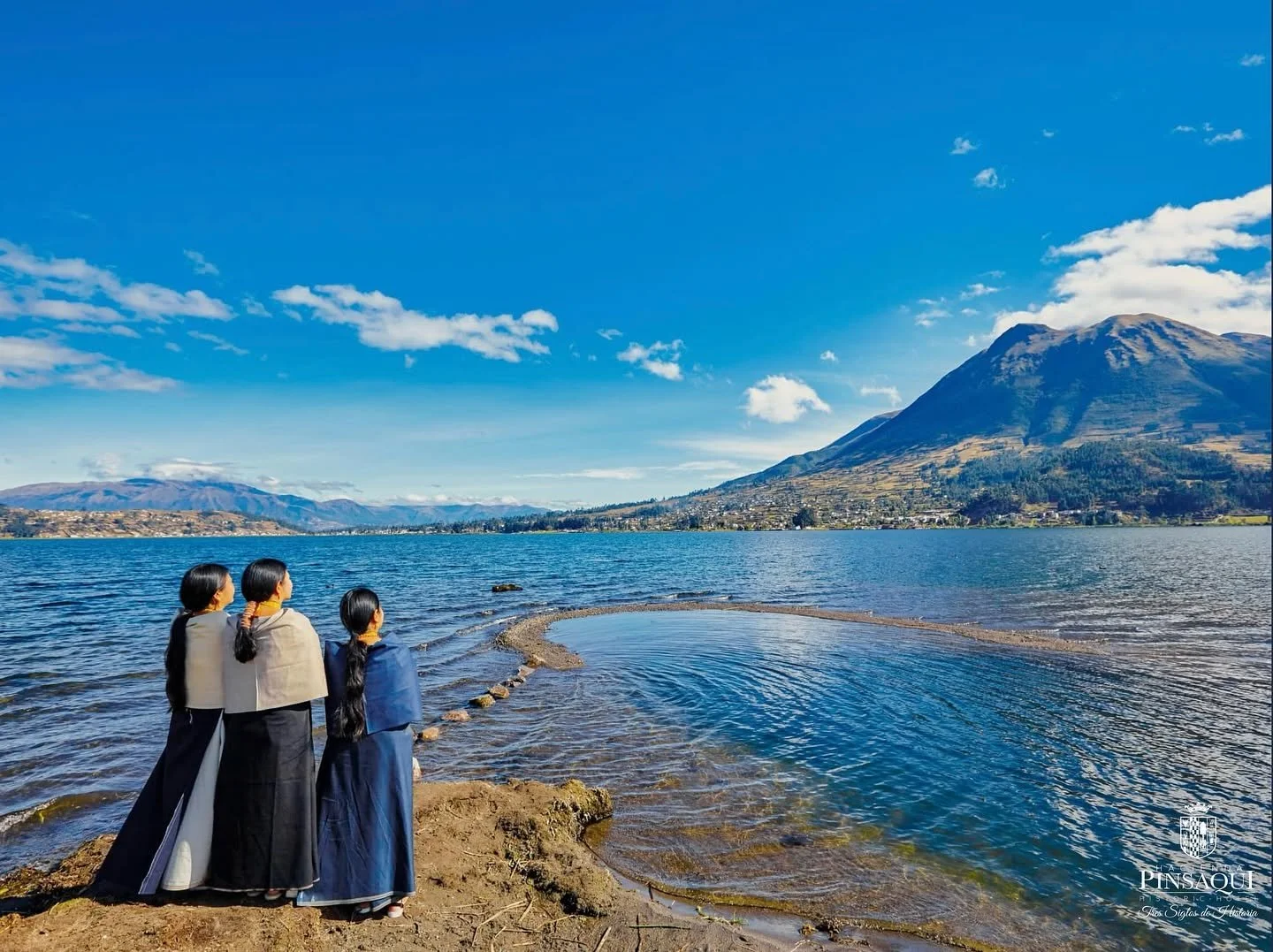
Cotopaxi province - south of Quito, on the Avenue of the Volcanoes itself, home to the volcano, Latacunga, and much of Ecuador's export rose industry.
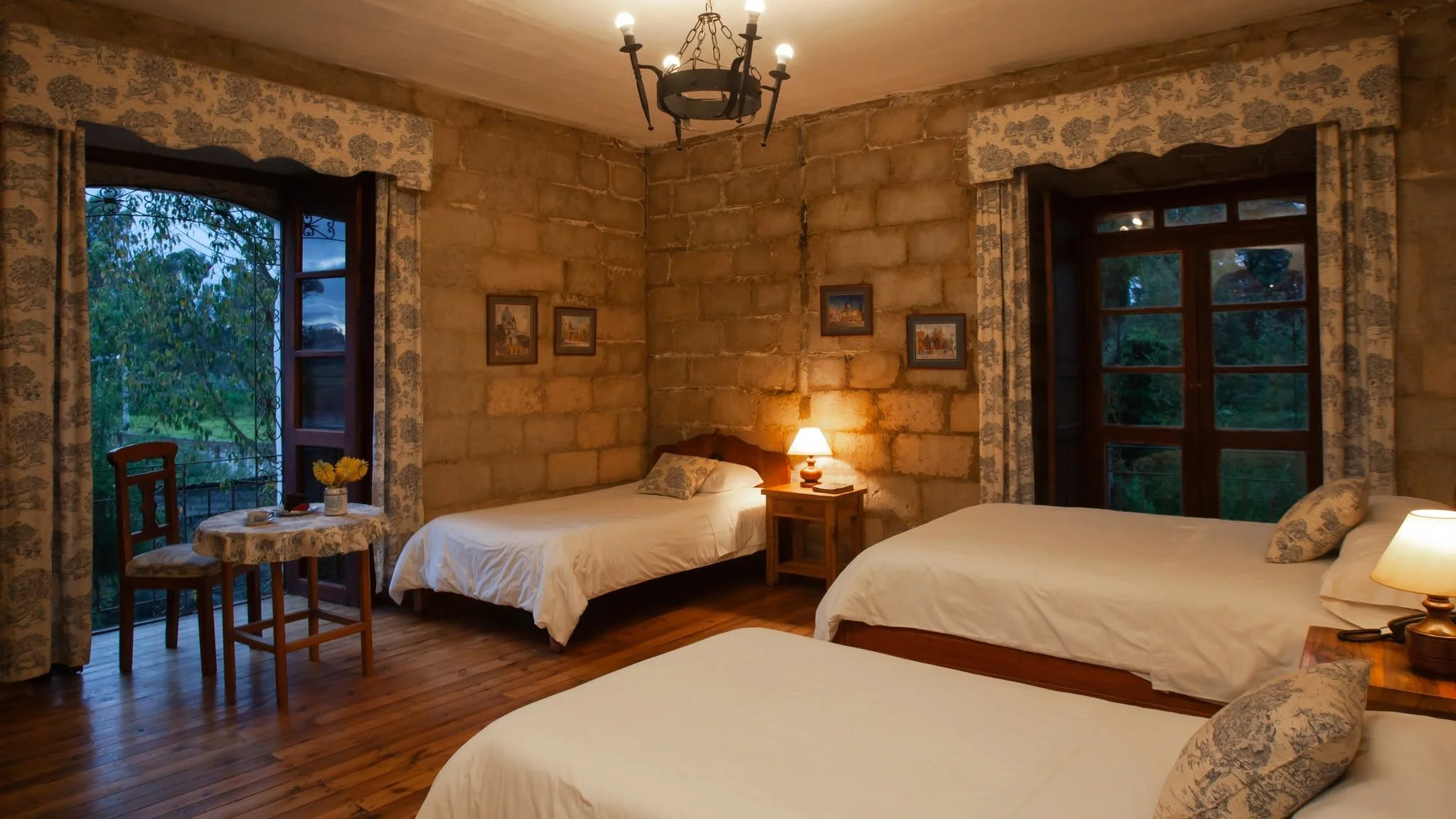
Hacienda San Agustín de Callo sits on the foundations of an Inca palace: a fit for travelers whose priority is the archaeological and architectural angle, where a meal happens inside pre-Columbian stonework rather than near it. Paired with Cotopaxi National Park access, it combines Inca heritage and volcano product at a single stop.
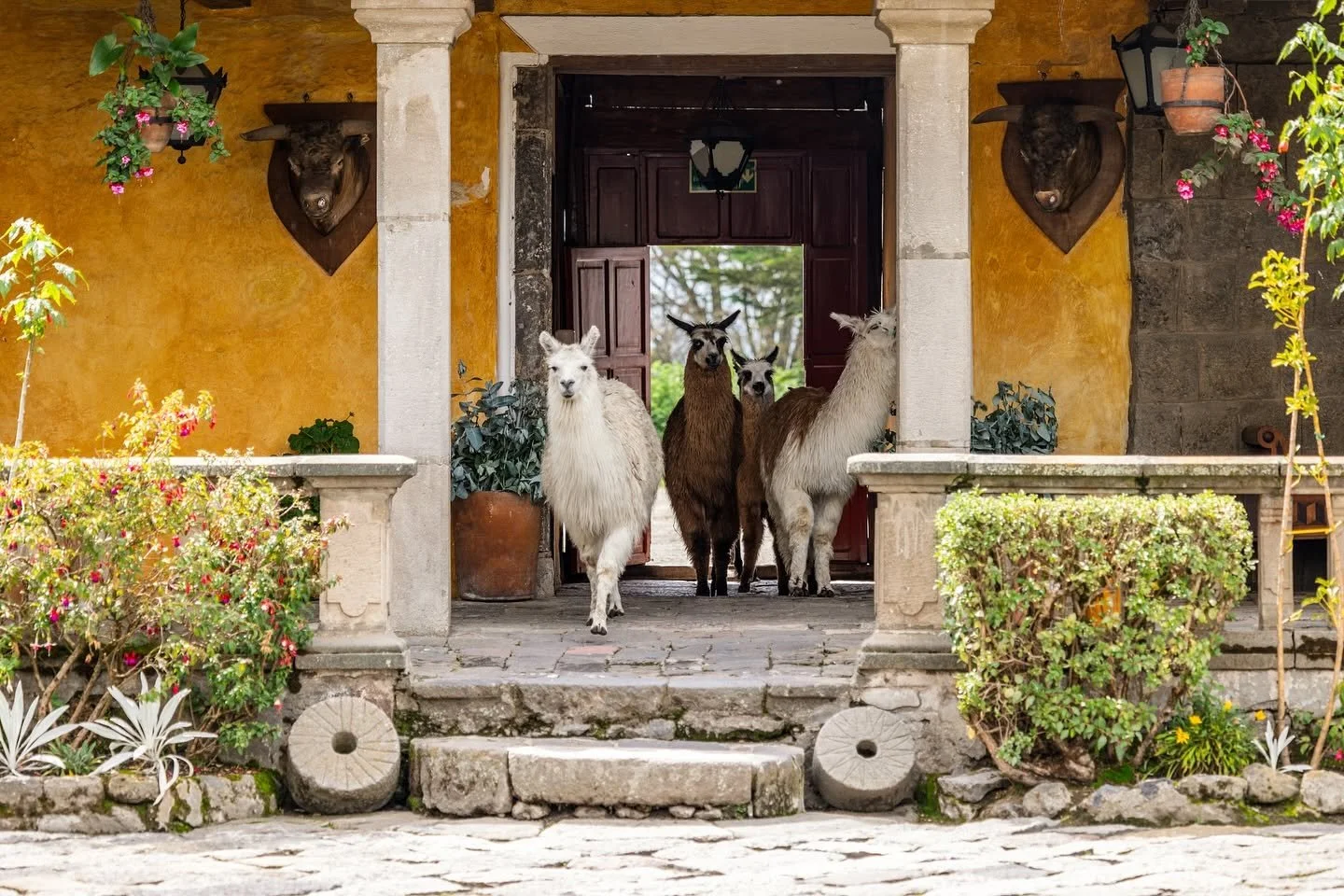
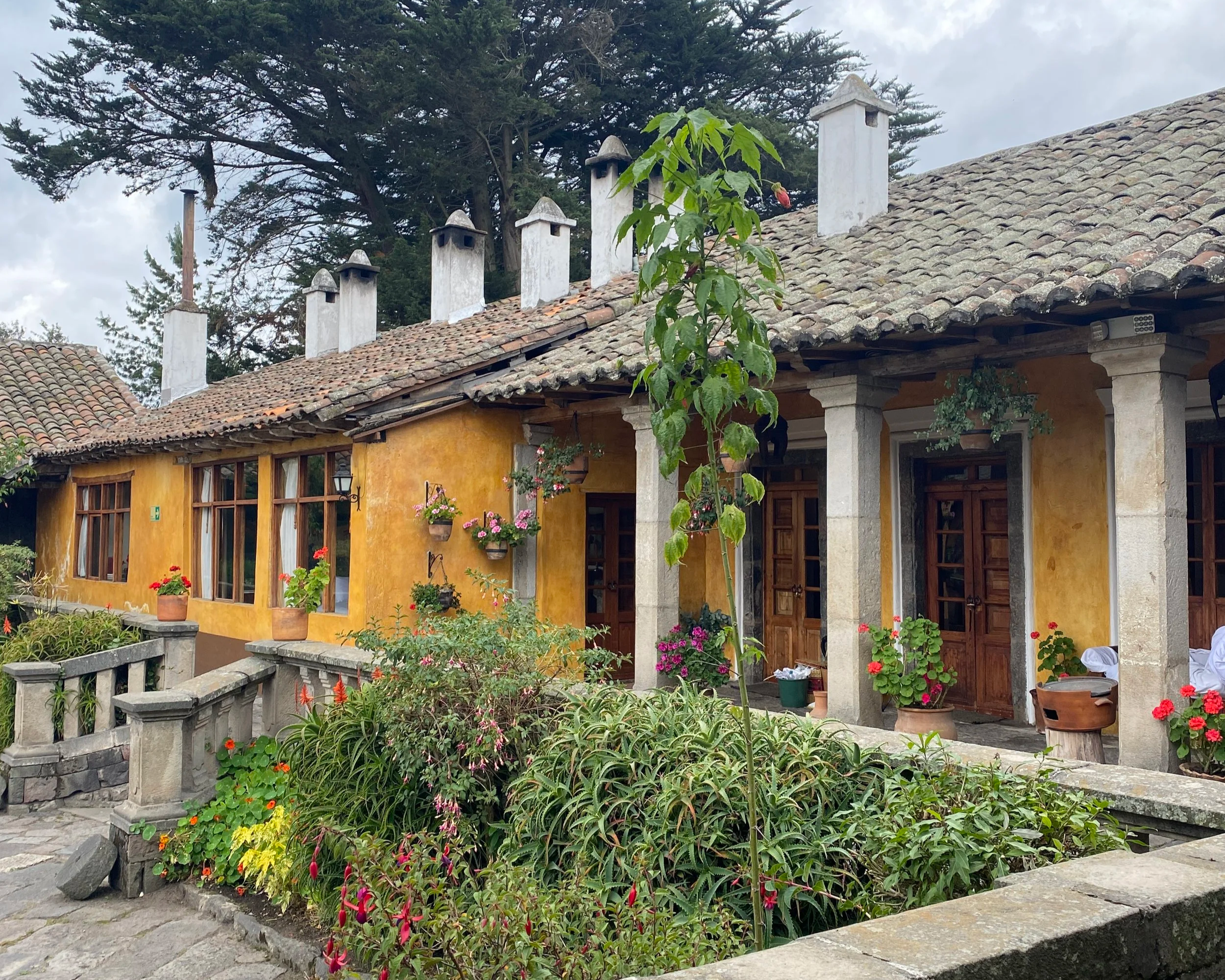
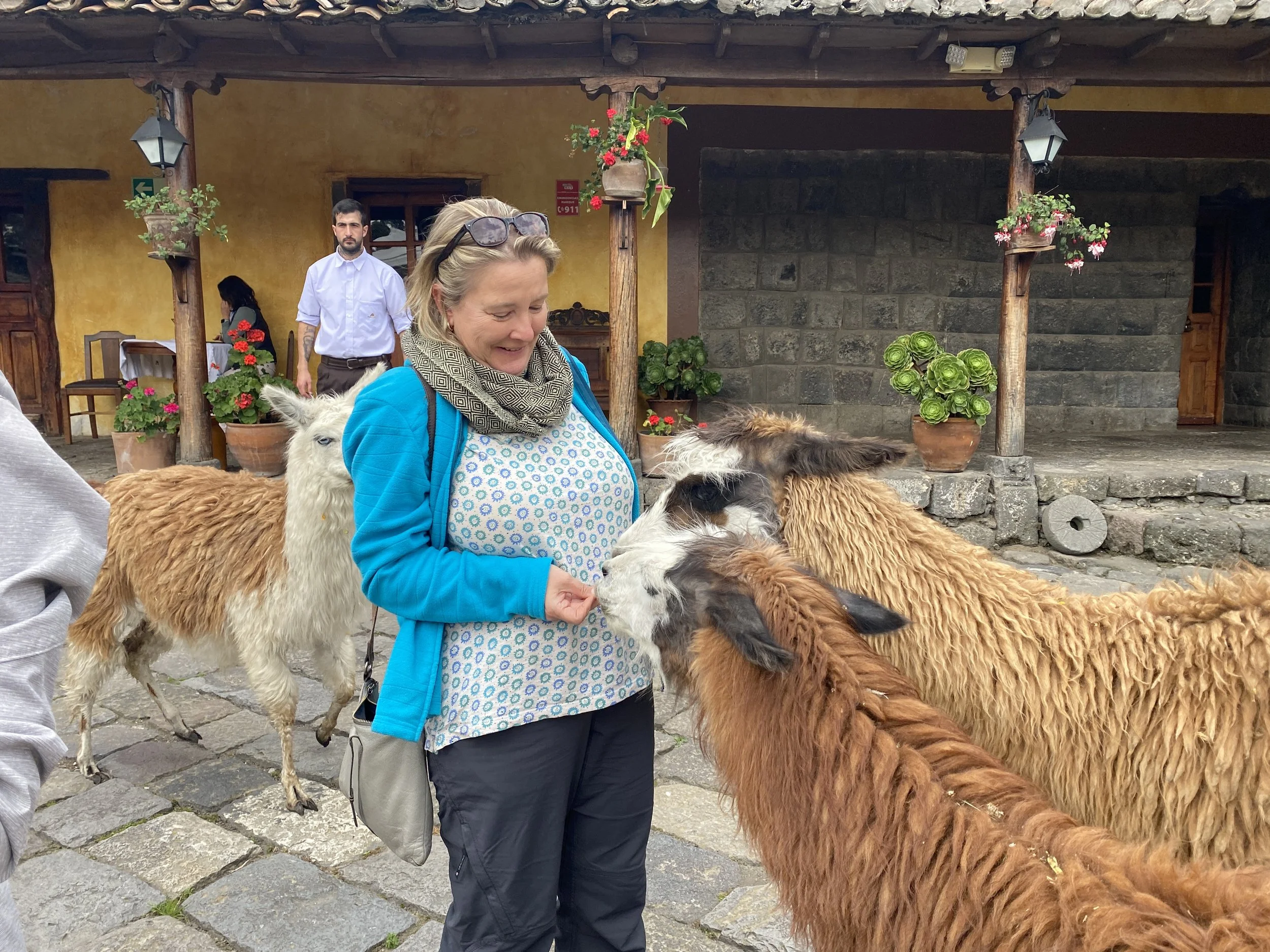
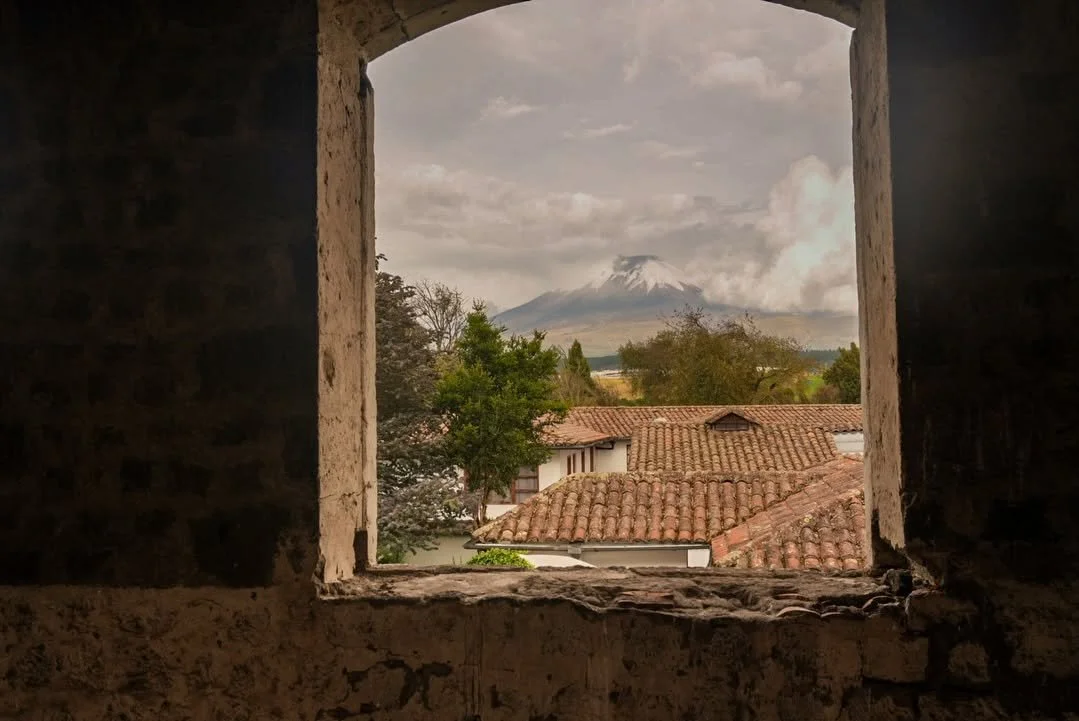
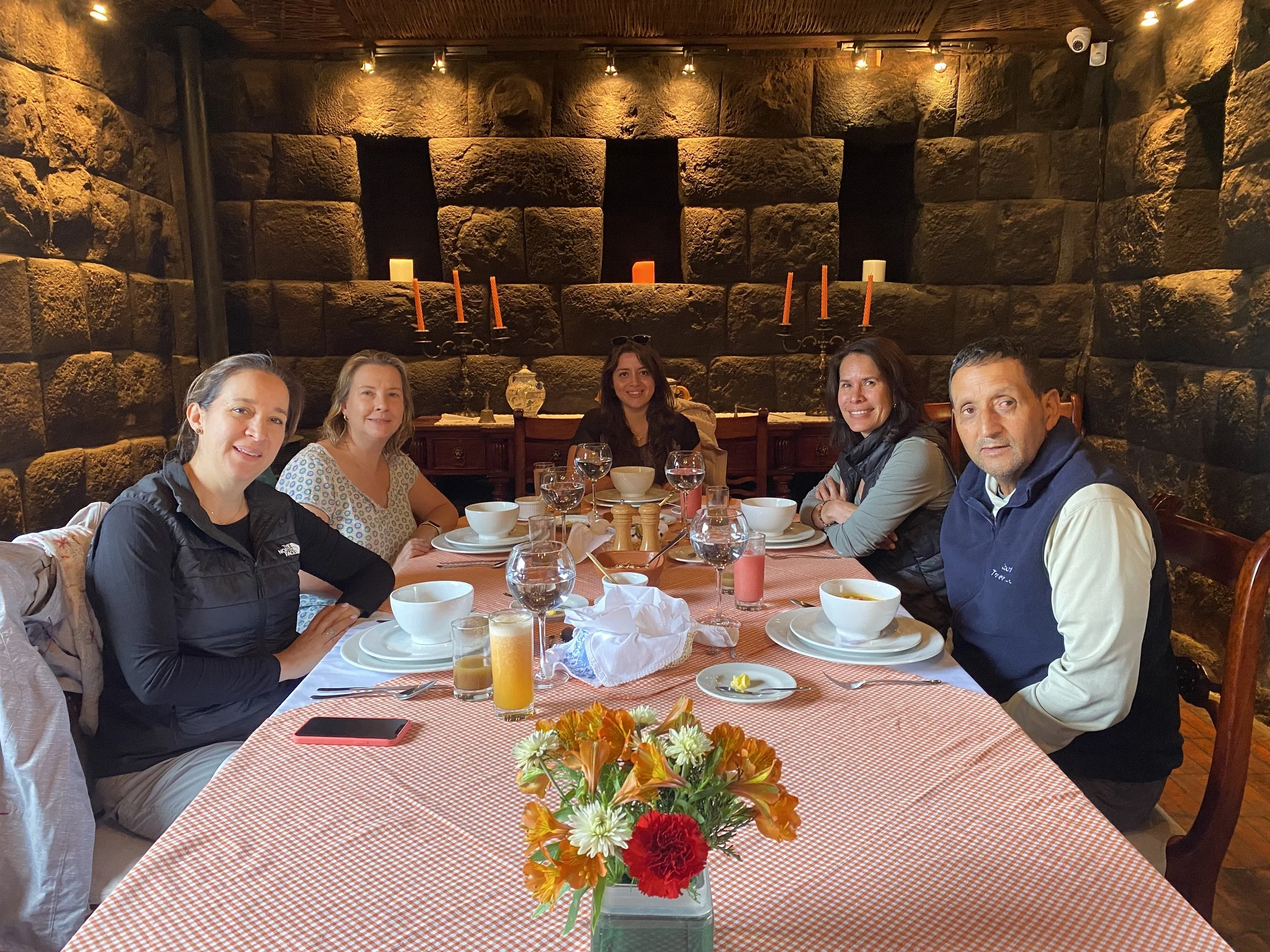
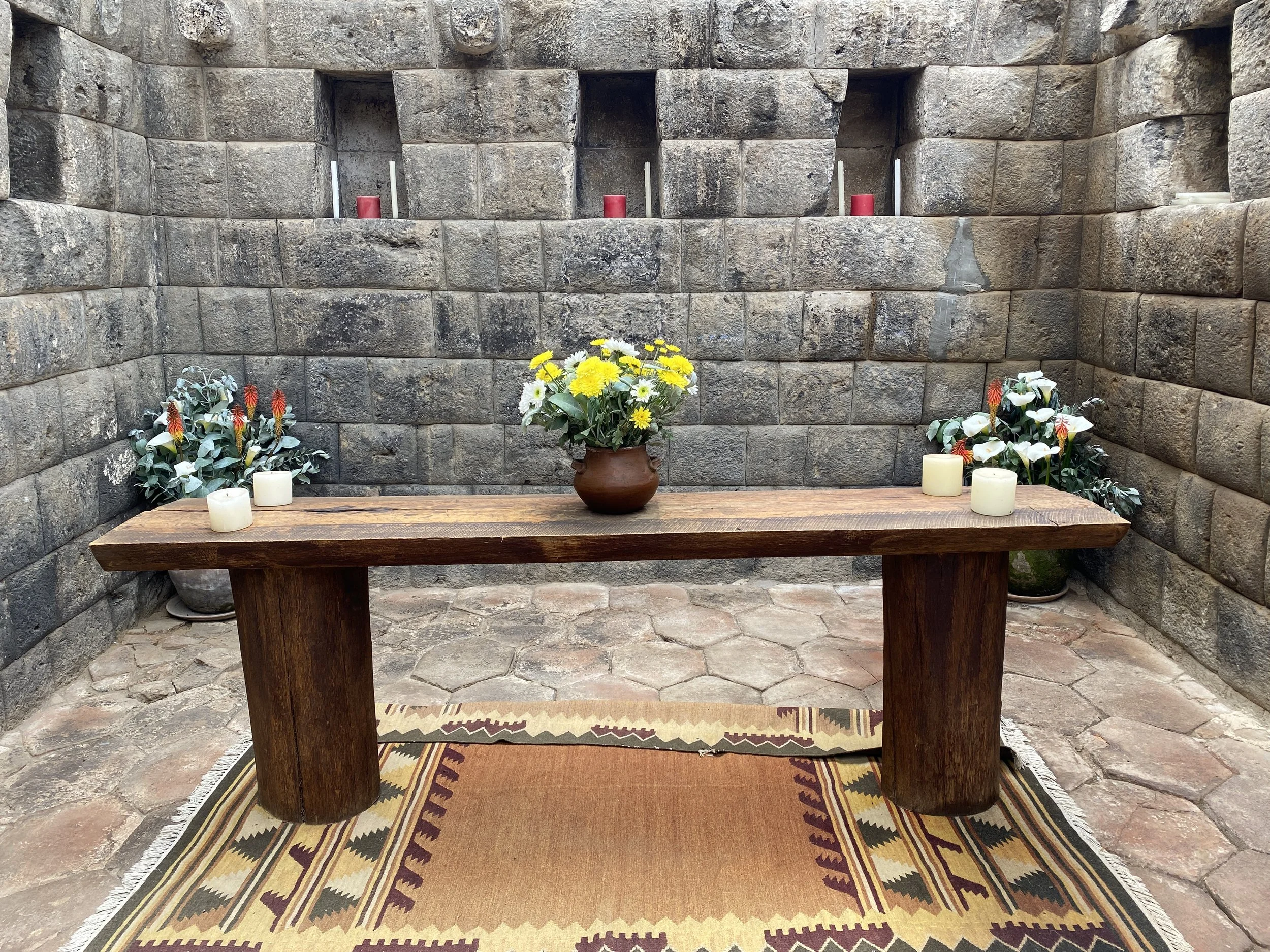
Hacienda La Ciénega suits travelers who want the same Cotopaxi park access and Andean-hacienda atmosphere in a simpler, more traditional country-inn setting, without San Agustín de Callo's archaeological centerpiece.
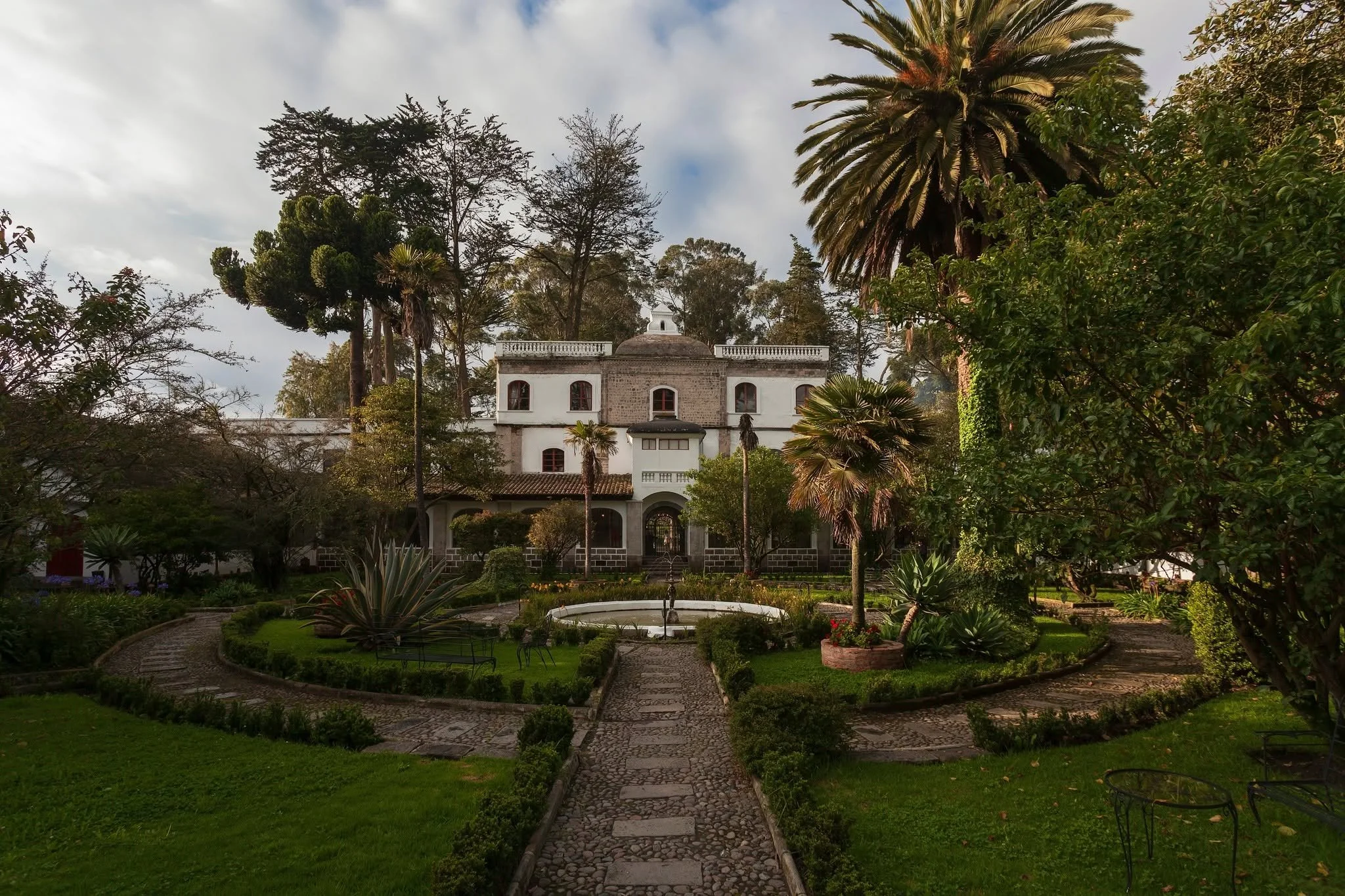
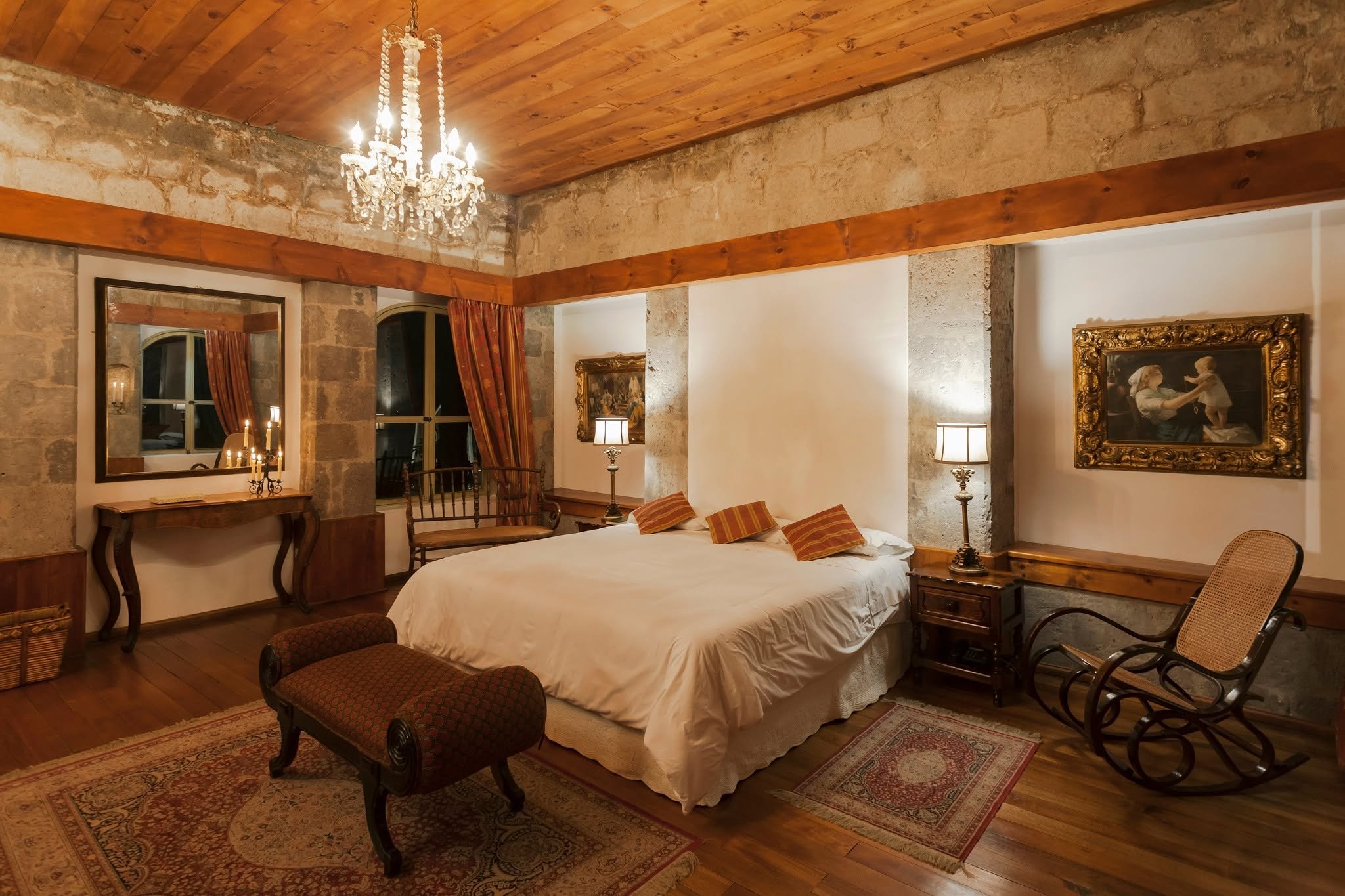
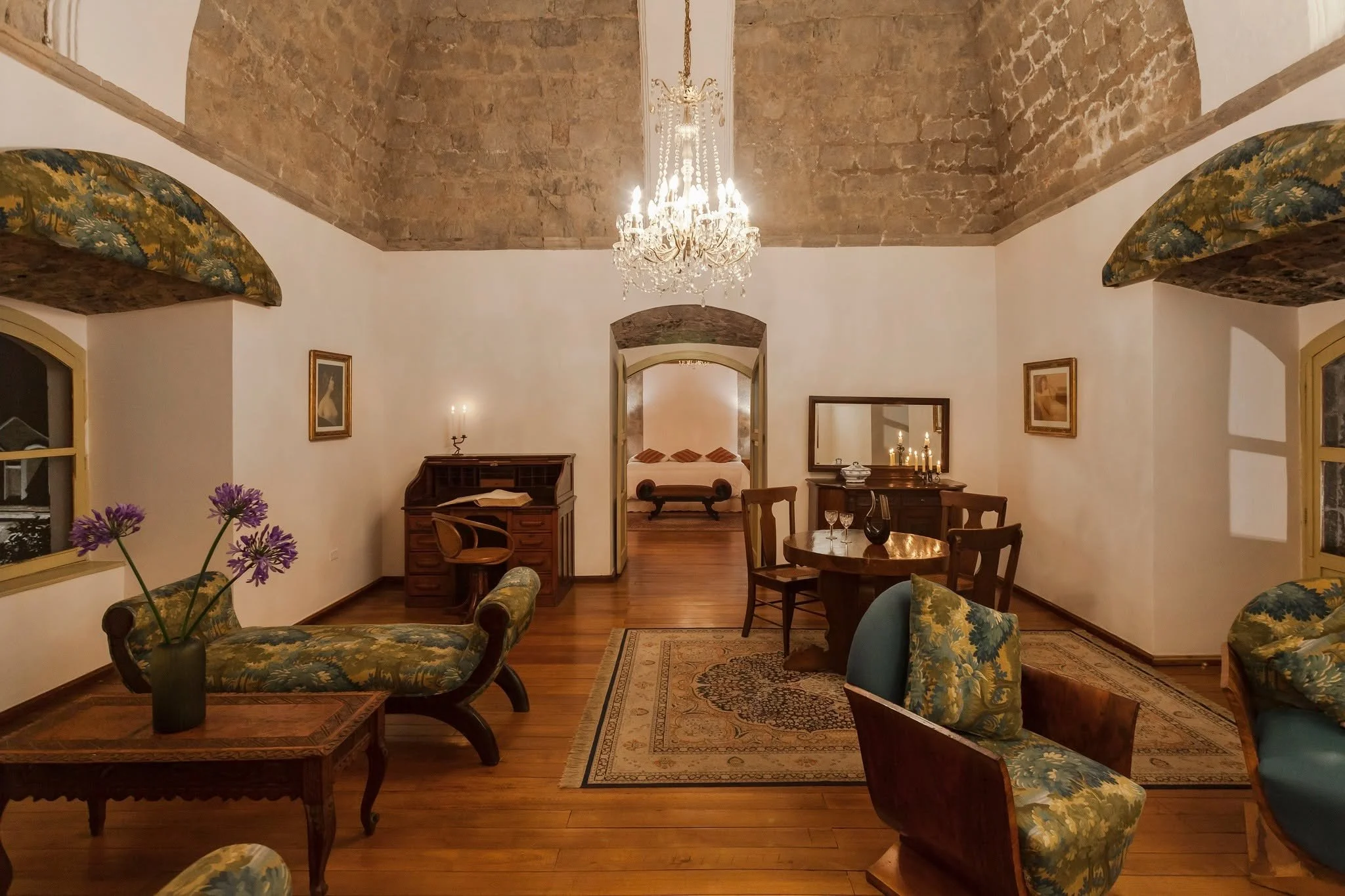
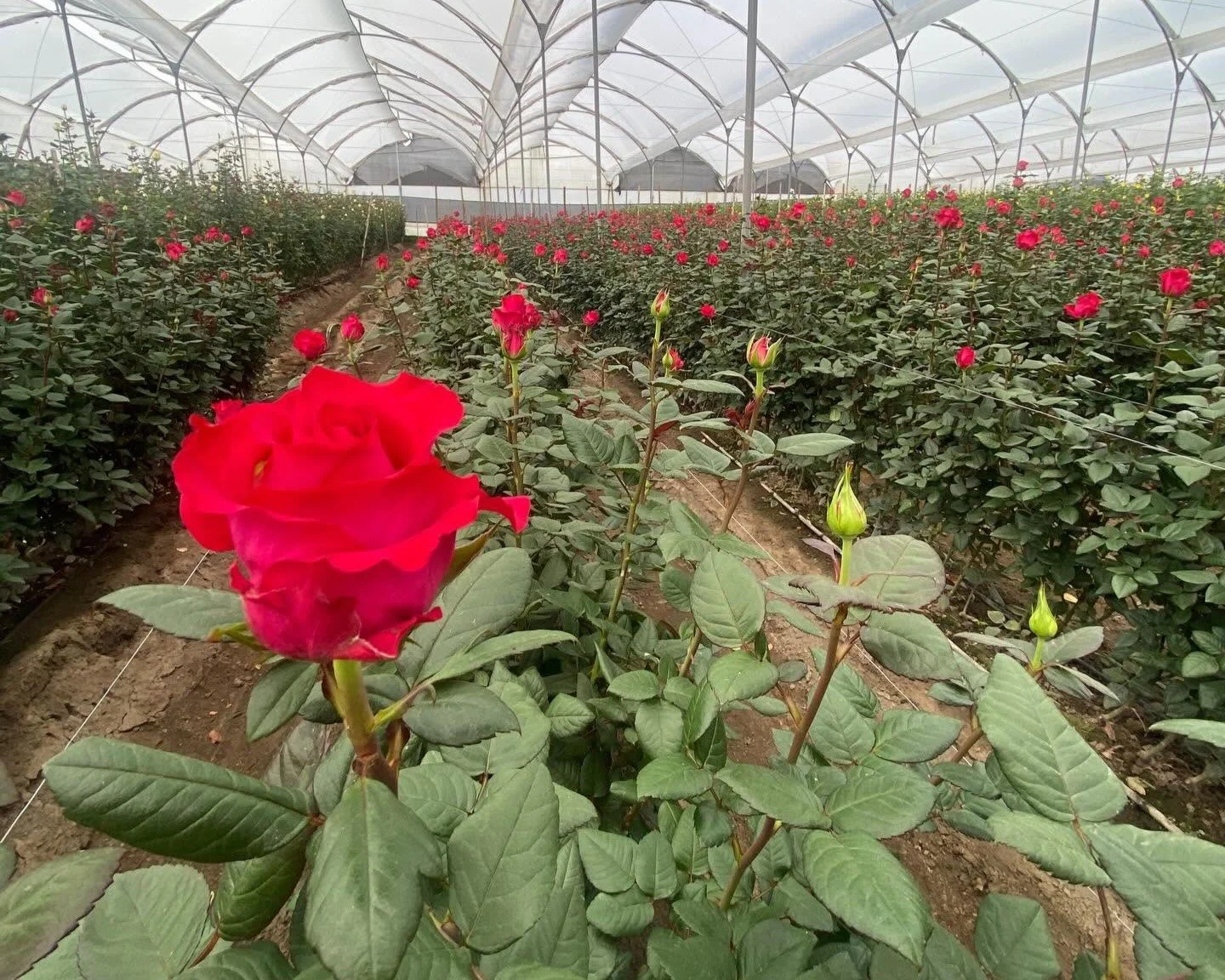
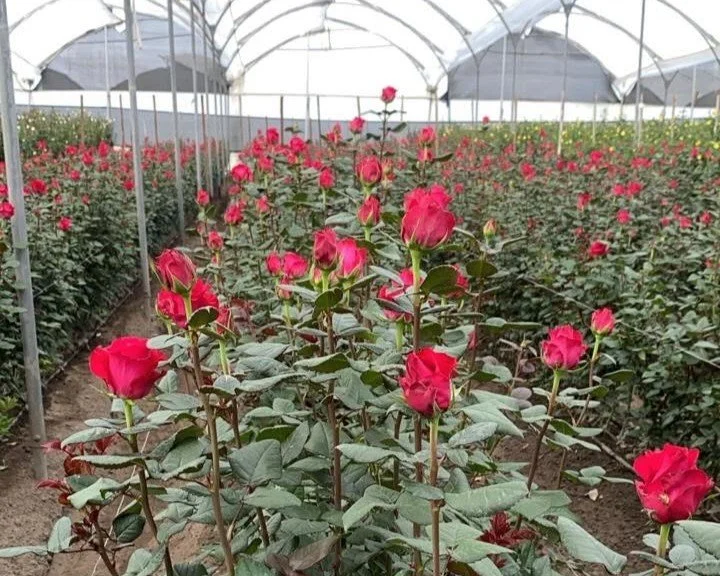
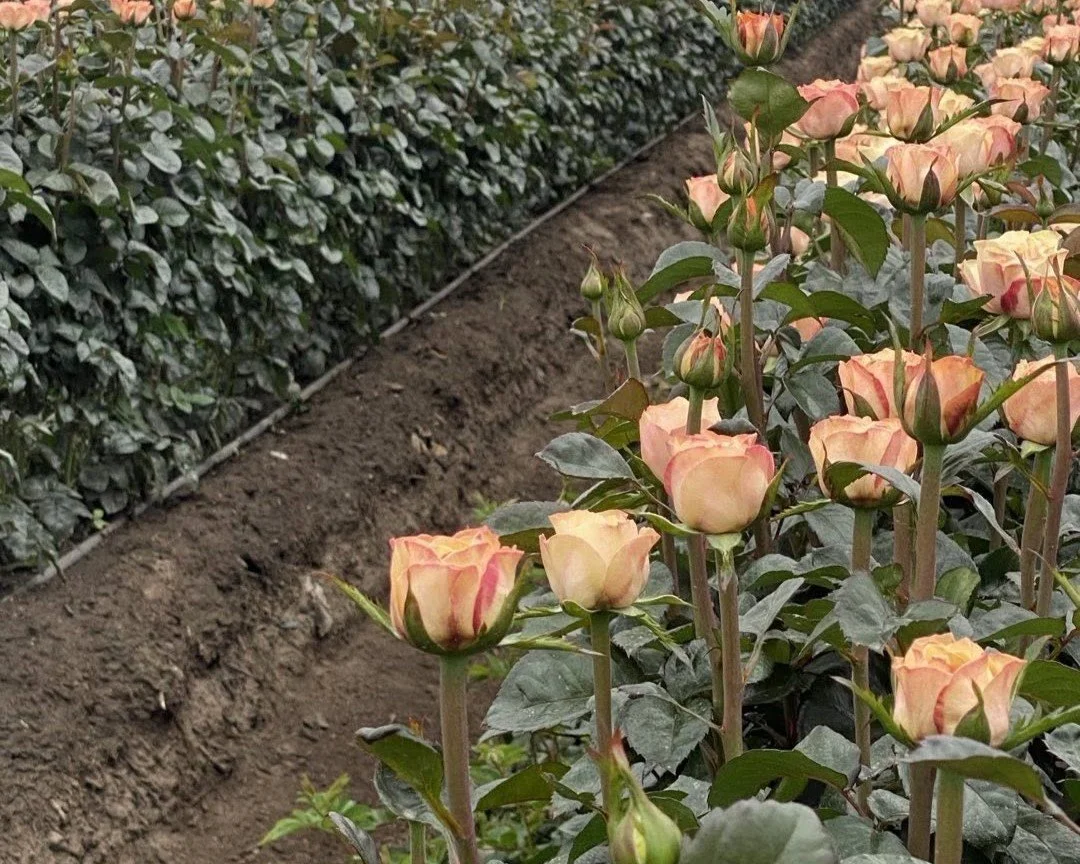
Nearby, Rose Success, a mid-sized rose farm in the Cotopaxi valley and part of the export industry that makes this region famous, is bookable as a standalone visit for programs wanting an agricultural angle.
Two clusters, two traveler profiles:
Imbabura for craft and community-immersion days, Cotopaxi for volcano-and adventure days following Humboldt footsteps; built to combine, not just to be seen.
For more information on these experiences, please reach out to our Ecuador team.
