
Galapagos:
Matching the journey to the traveler
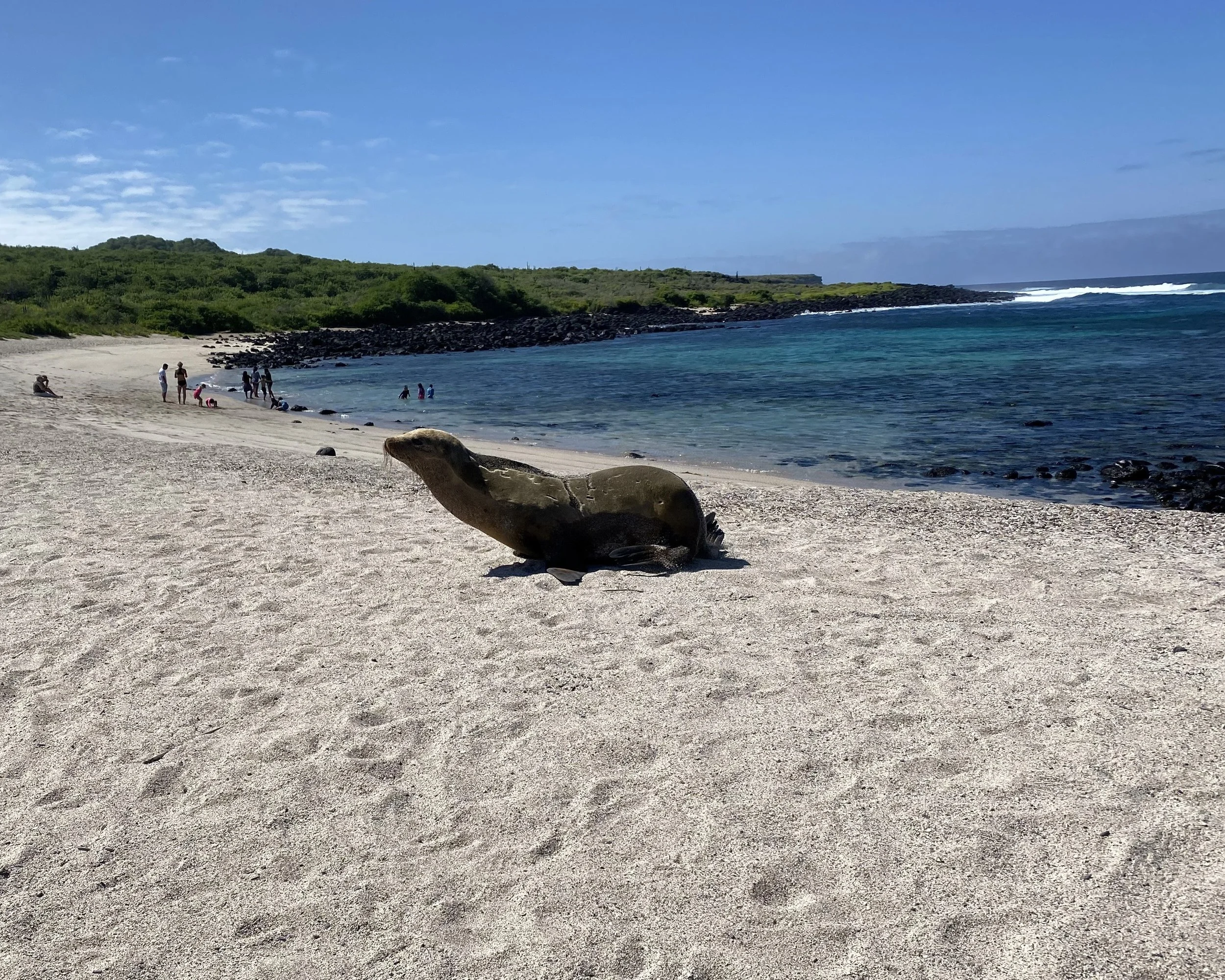
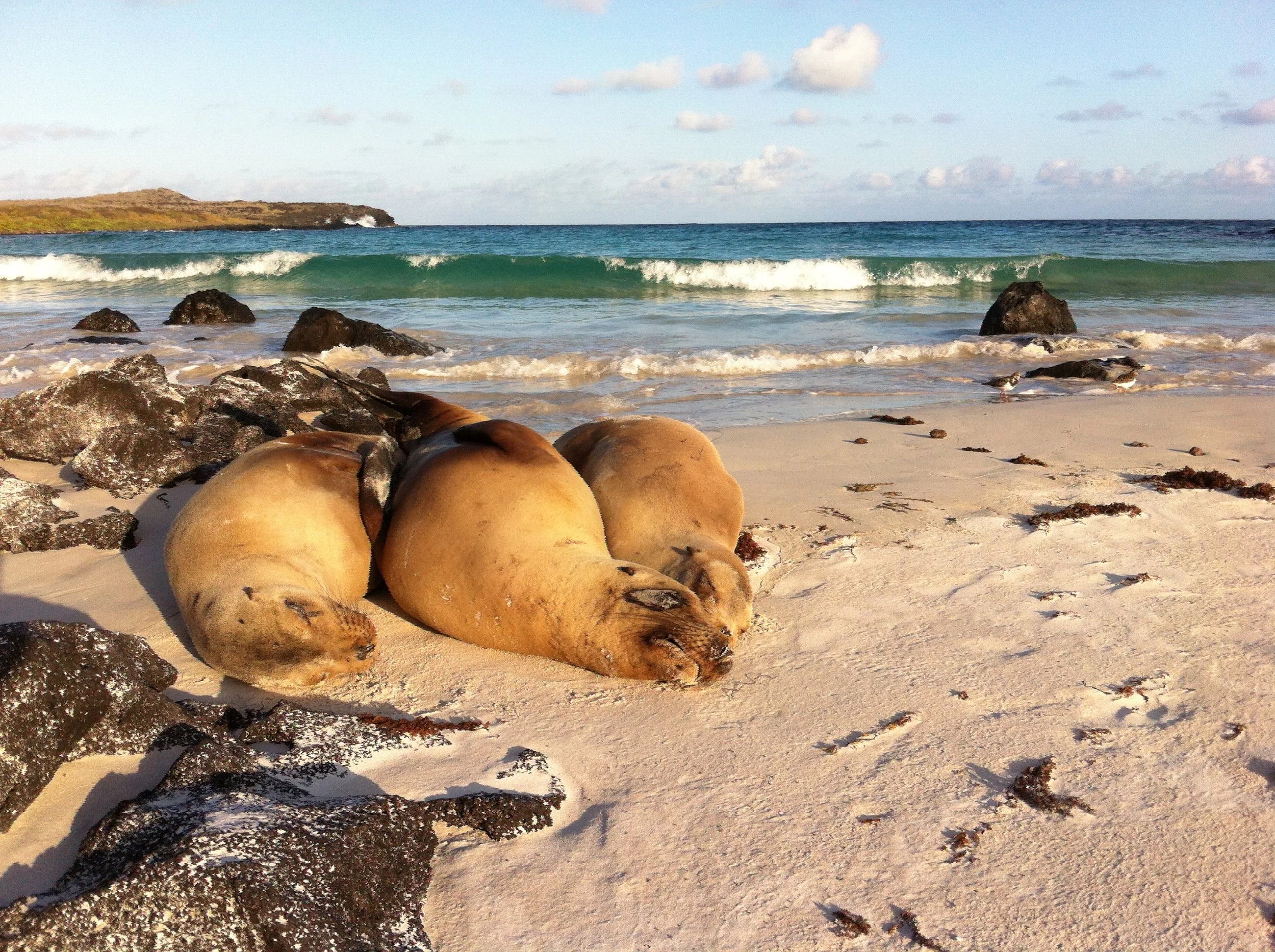
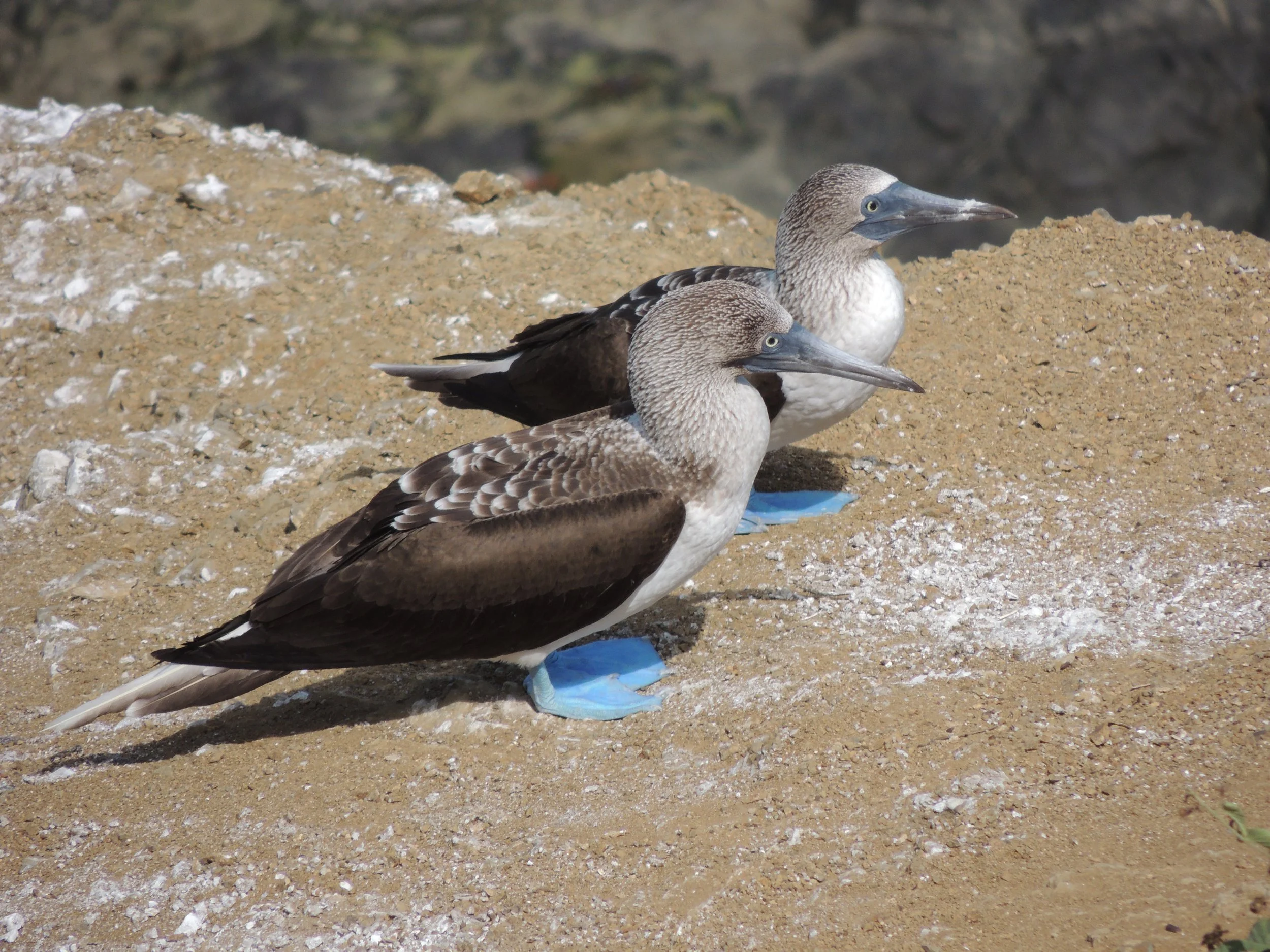
Cruise, multi-day expedition, or island-hopping, the right Galapagos format depends on what your traveler wants from the islands. Here's how the three compare.
The Galapagos aren't a single trip, they're three different ways of moving through the same archipelago, each reaching different places and suited to a different kind of traveler.
Cruise: continuous movement, maximum reach
A live-aboard cruise is the only way to reach the archipelago's most remote sites, places like Genovesa, Fernandina, or the western side of Isabela, known for exceptional biodiversity and low visitor numbers. Guests wake up in a new landscape each morning, guided by onboard naturalist guides who shape each day's excursions around what's active in the water or on shore that week. Cruises themselves vary widely: itinerary, length, onboard structure, and vessel infrastructure all differ from ship to ship, and our team matches clients to the specific option that fits their needs.
Best fit:Travelers prioritizing wildlife density, photography, snorkeling, and access over flexibility.
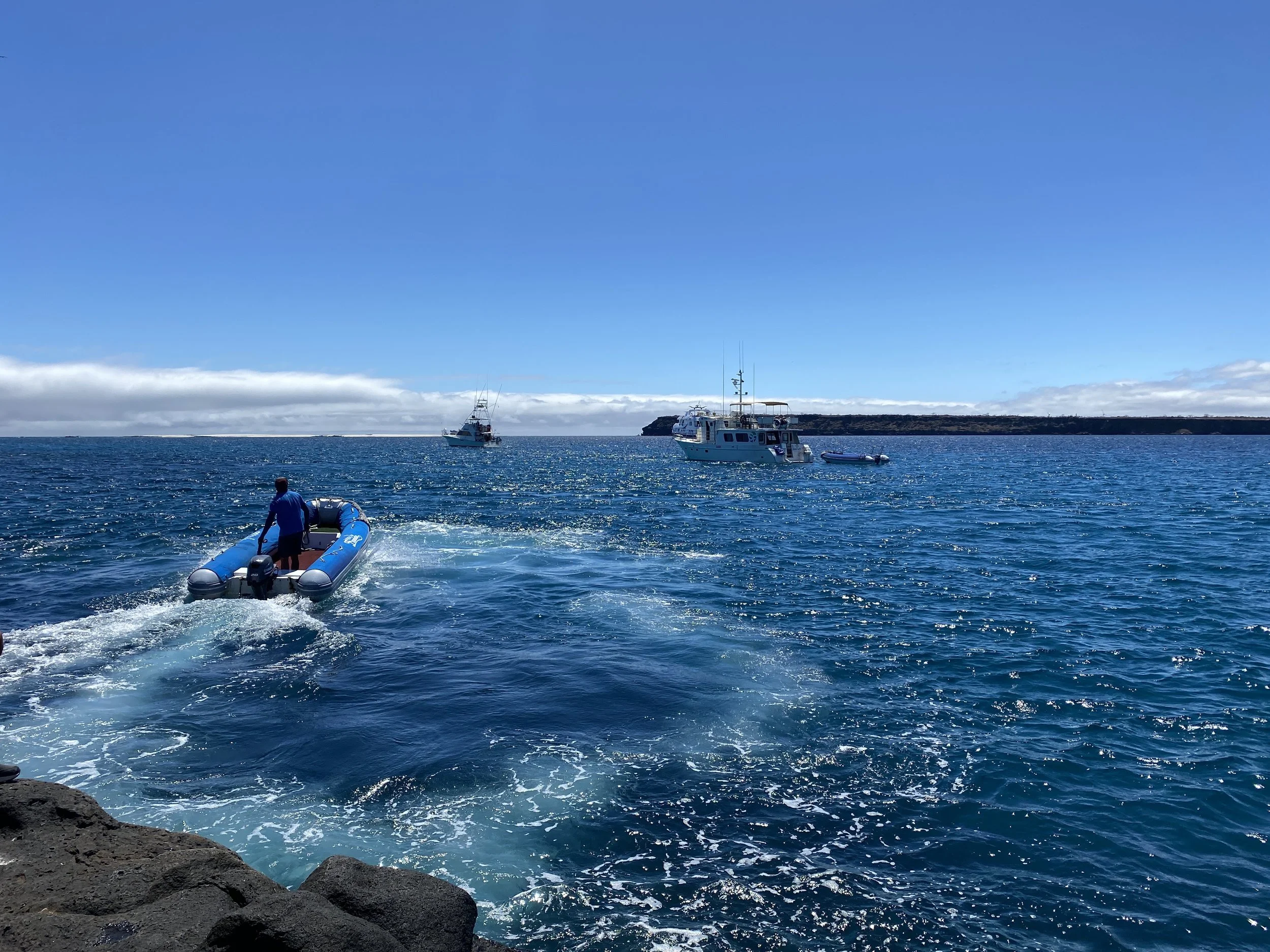
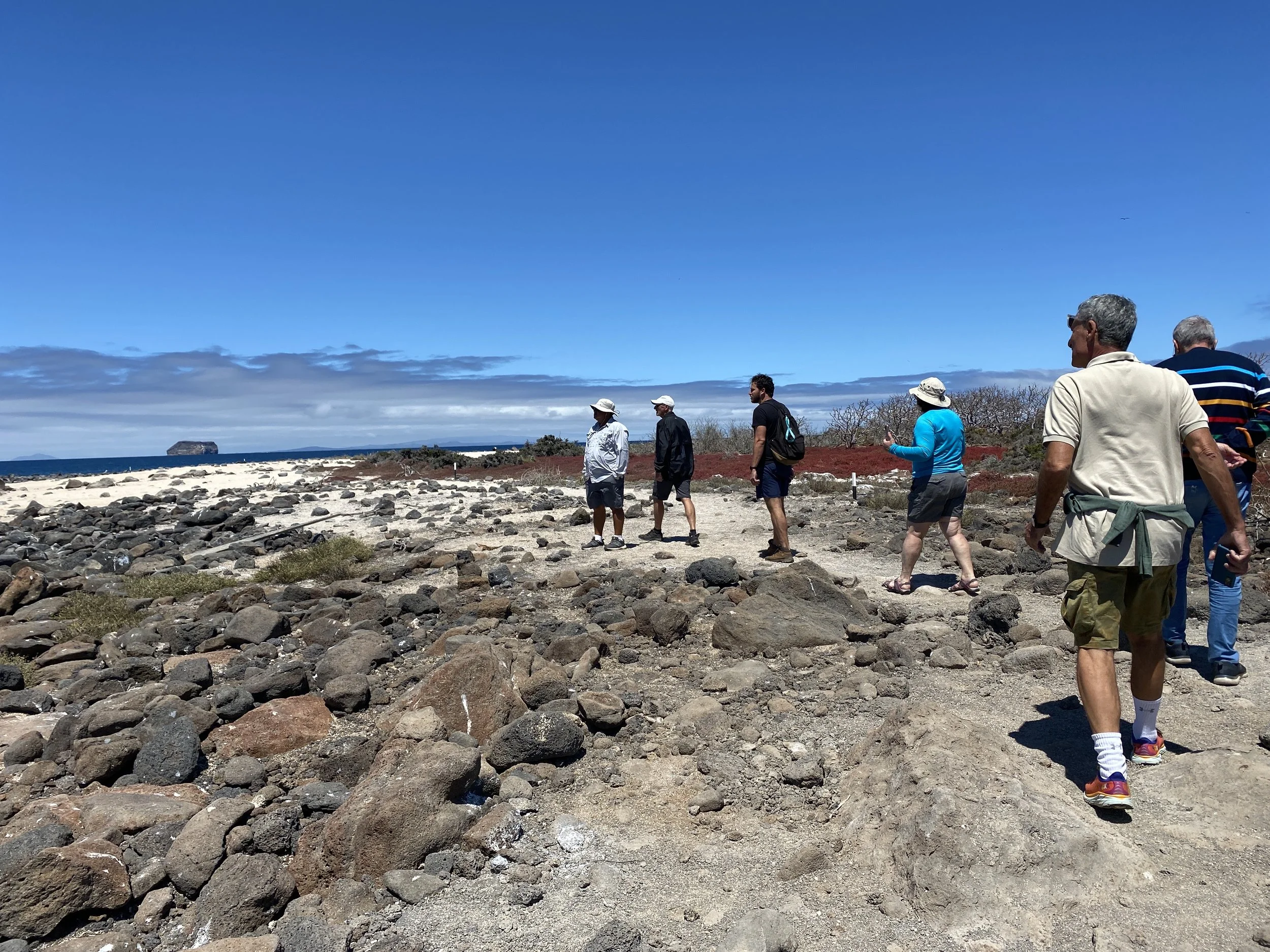
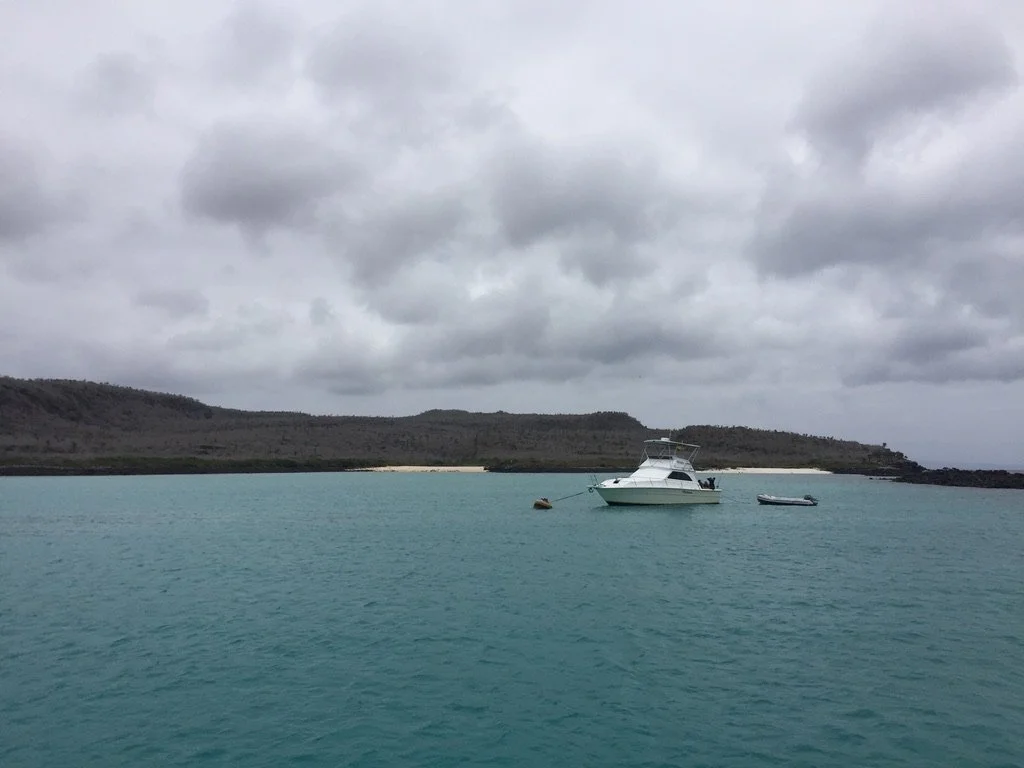
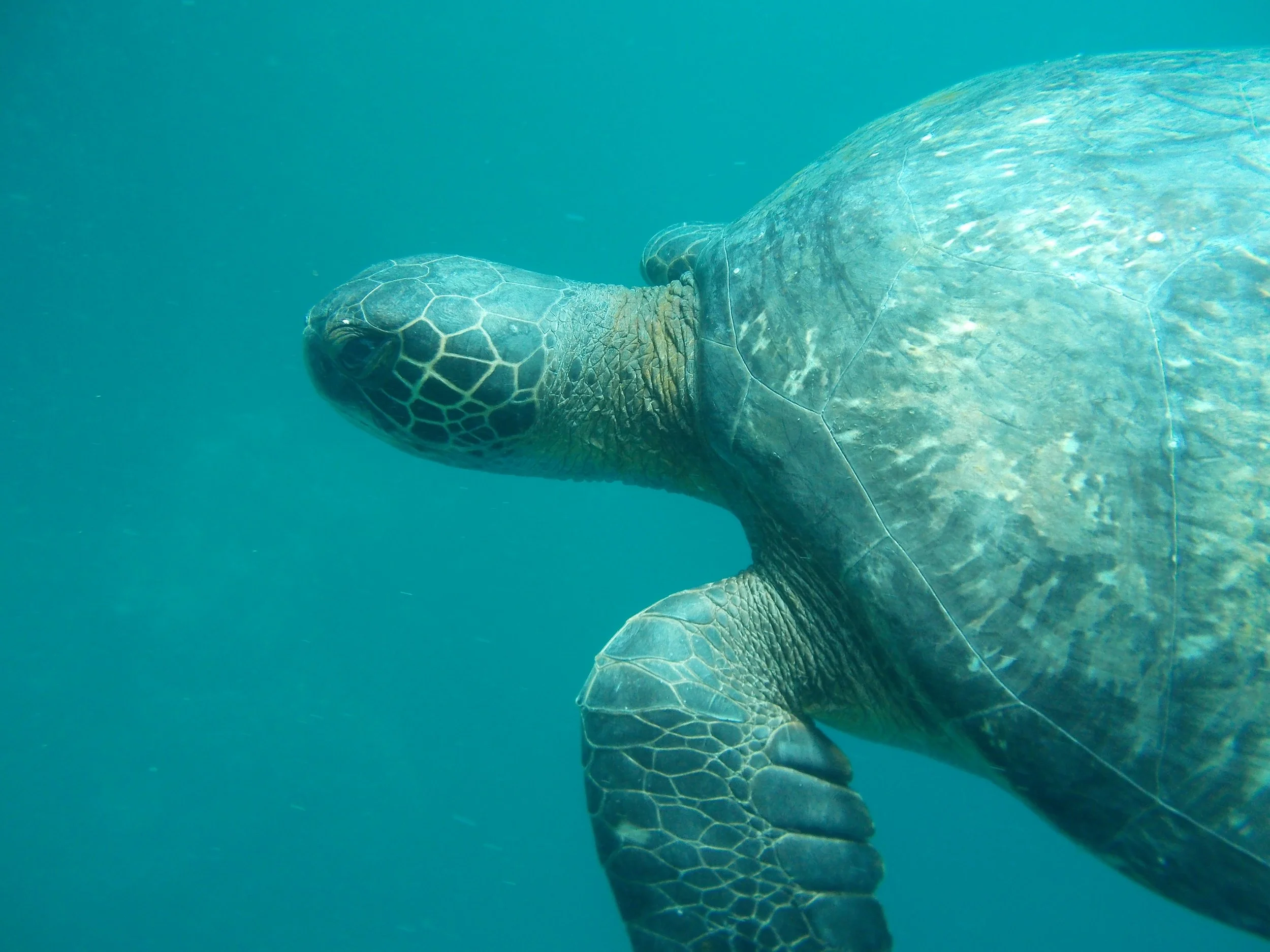
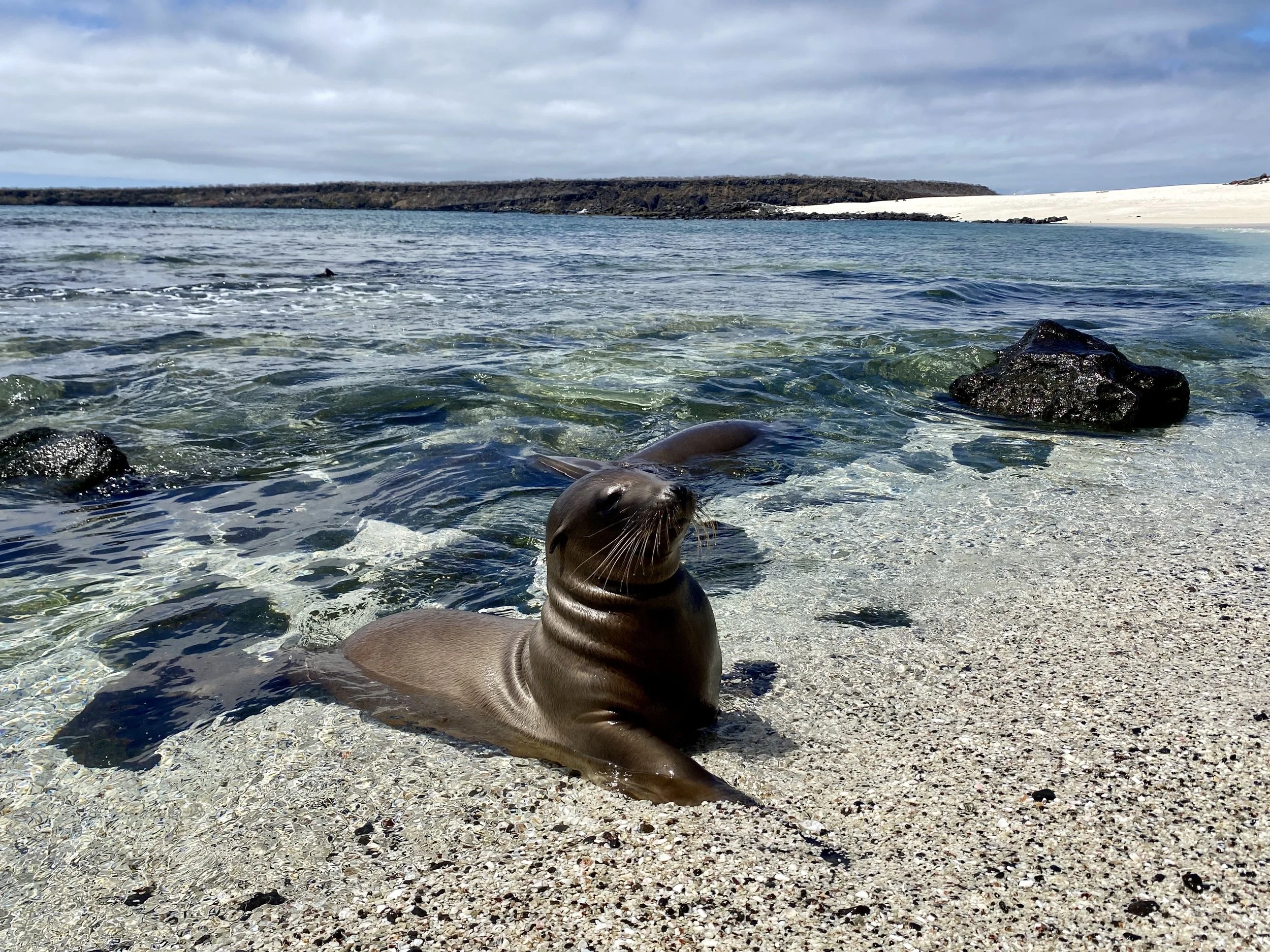
Multi-day expedition: One base, daily excursions outward
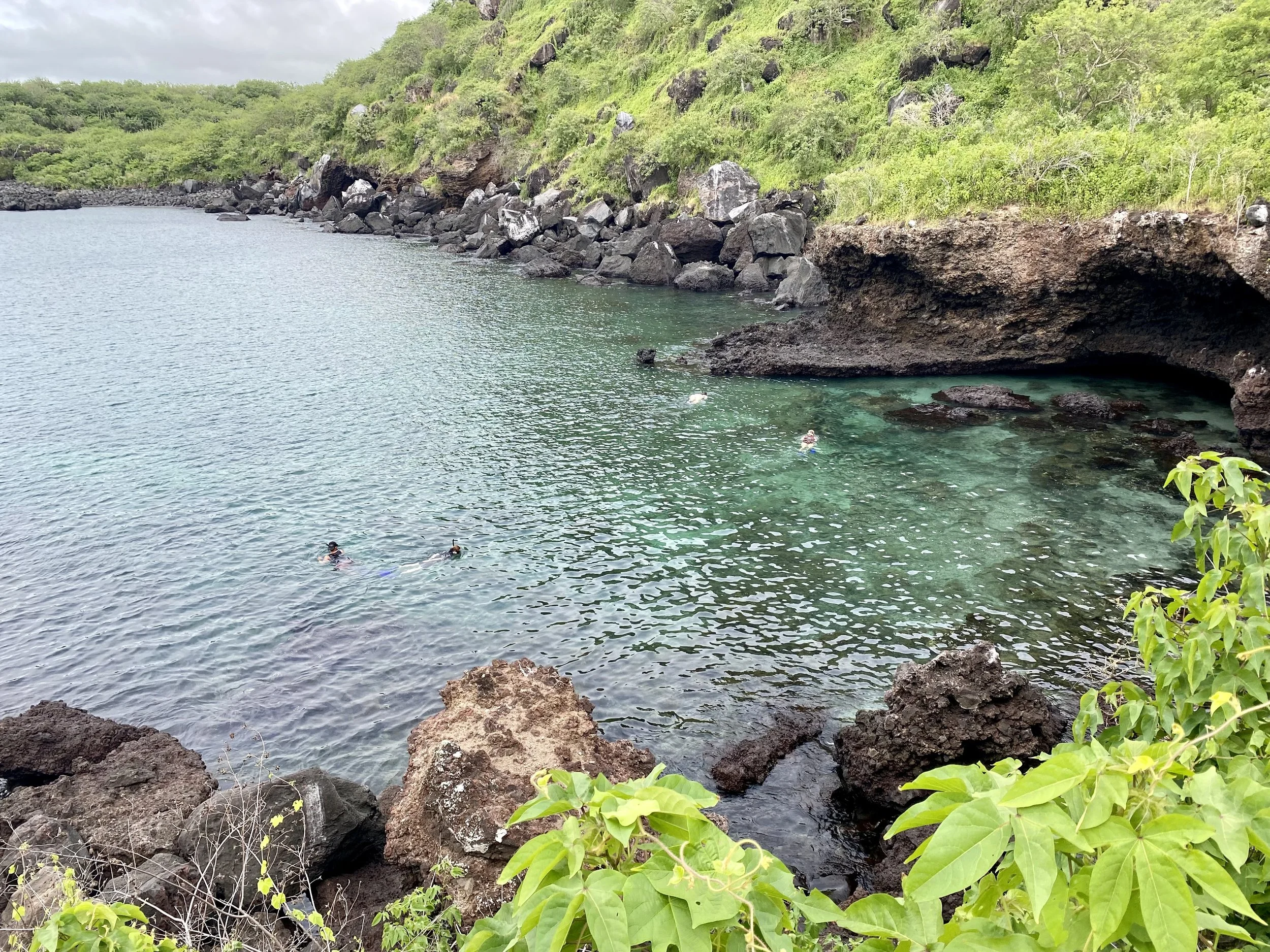
Here travelers change islands entirely, moving by speedboat or small aircraft between the archipelago's inhabited islands. Santa Cruz, San Cristóbal, and Isabela anchor the standard circuit; Floreana adds a fourth stop for travelers looking for something further off the beaten path (it's the least-visited of the four, with a fraction of the infrastructure and visitor traffic of the other three).
Island highlights at a glance
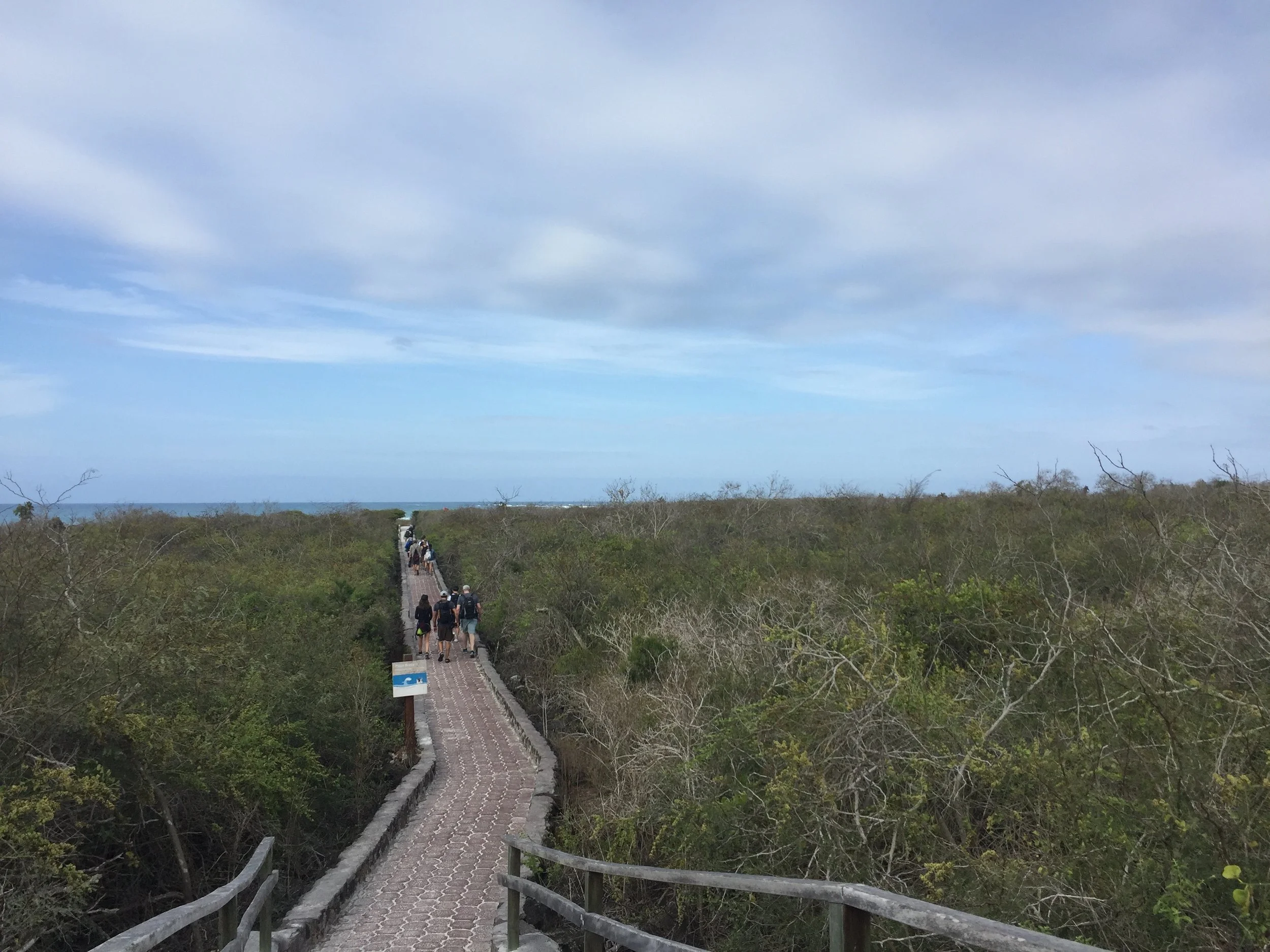
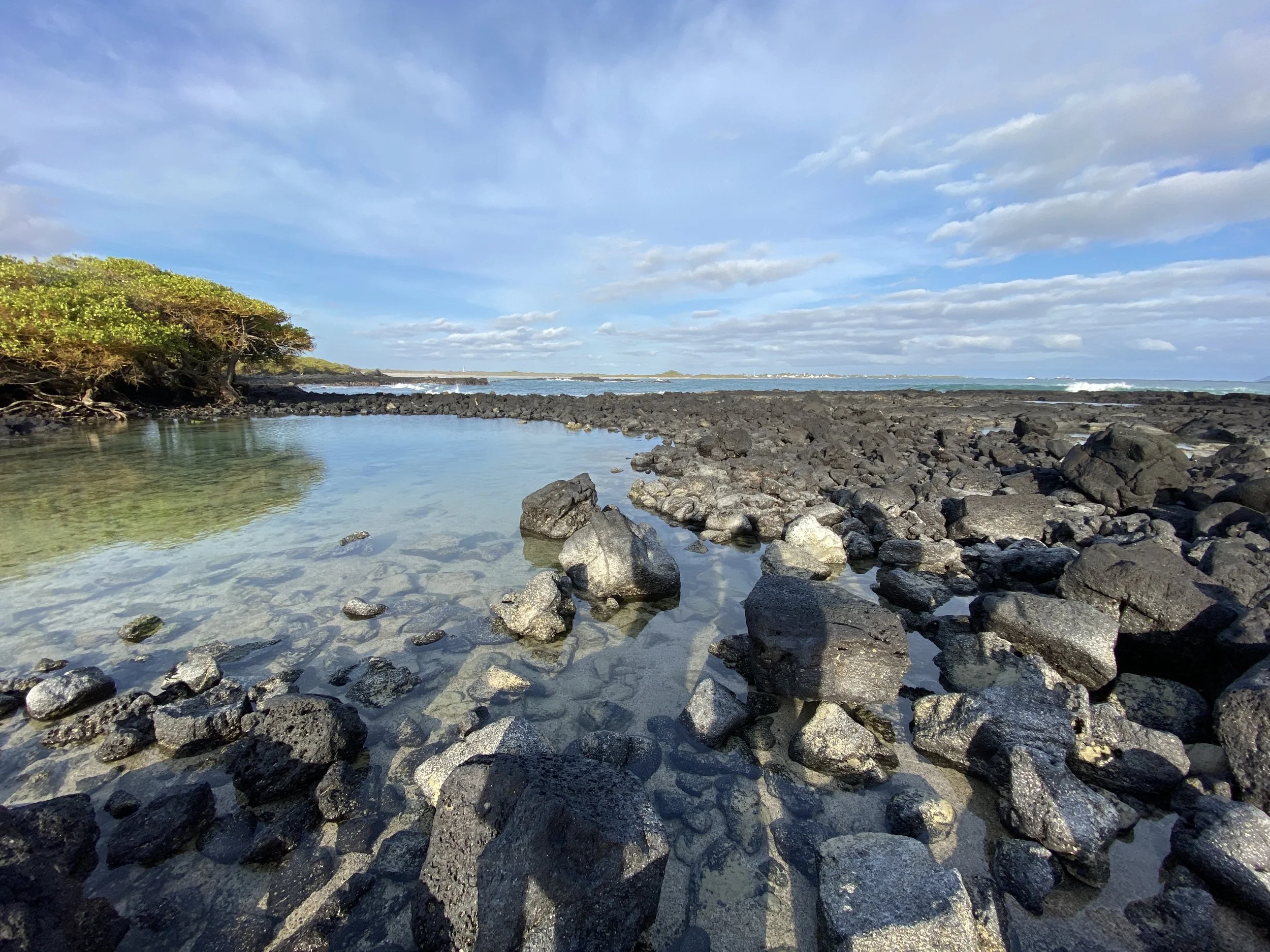
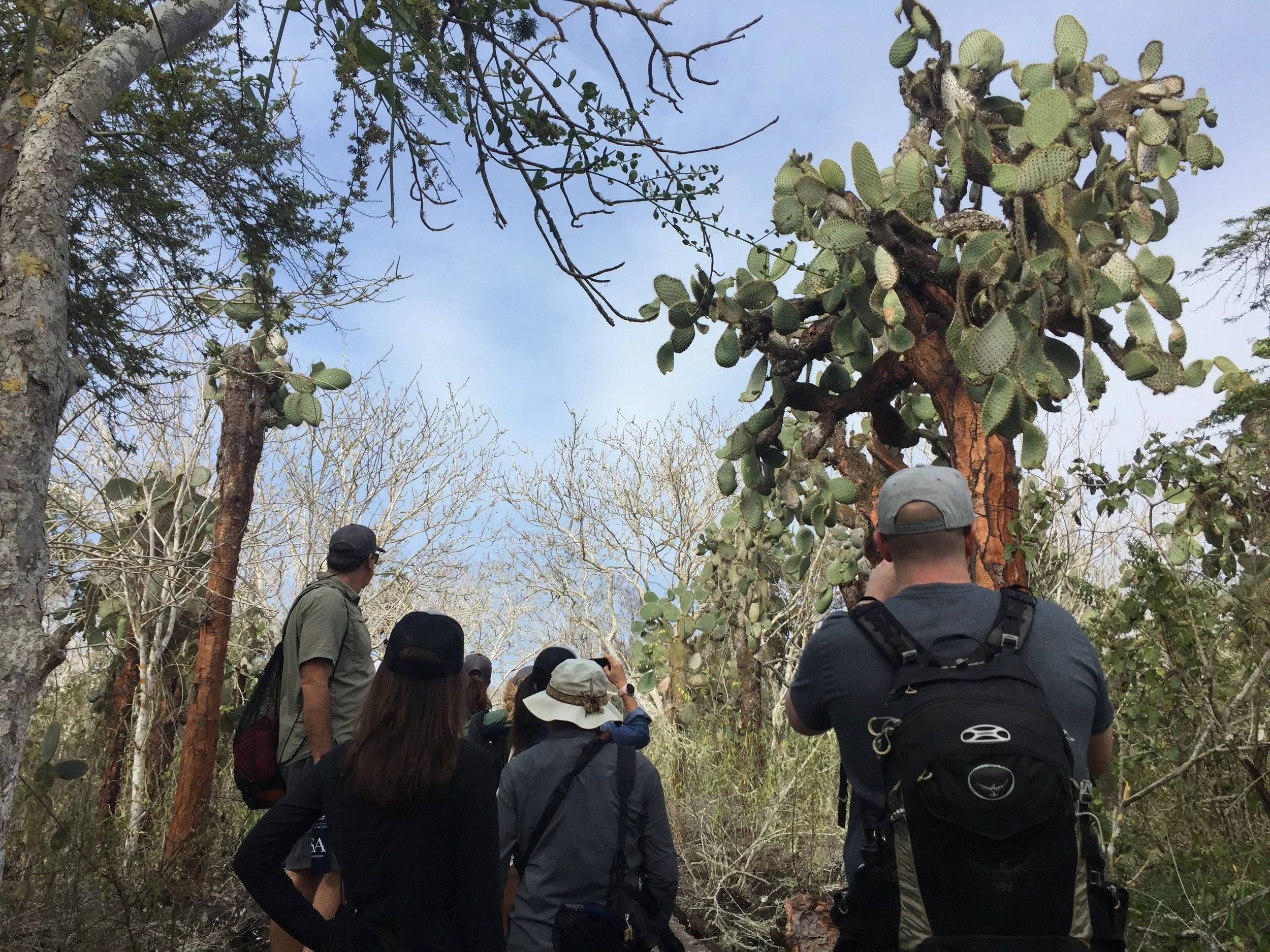
• Santa Cruz (the natural starting point): Charles Darwin Research Station, giant tortoises in the wild highlands, lava tunnels, and Tortuga Bay’s beach and mangroves. Reached via Baltra Airport, followed by a short ferry and bus transfer, Santa Cruz is the most populated island in the Galapagos and the archipelago’s main service hub. Visitors should expect a lively local town with residents, shops, restaurants, vehicles, and everyday island activity, rather than a secluded beach destination.
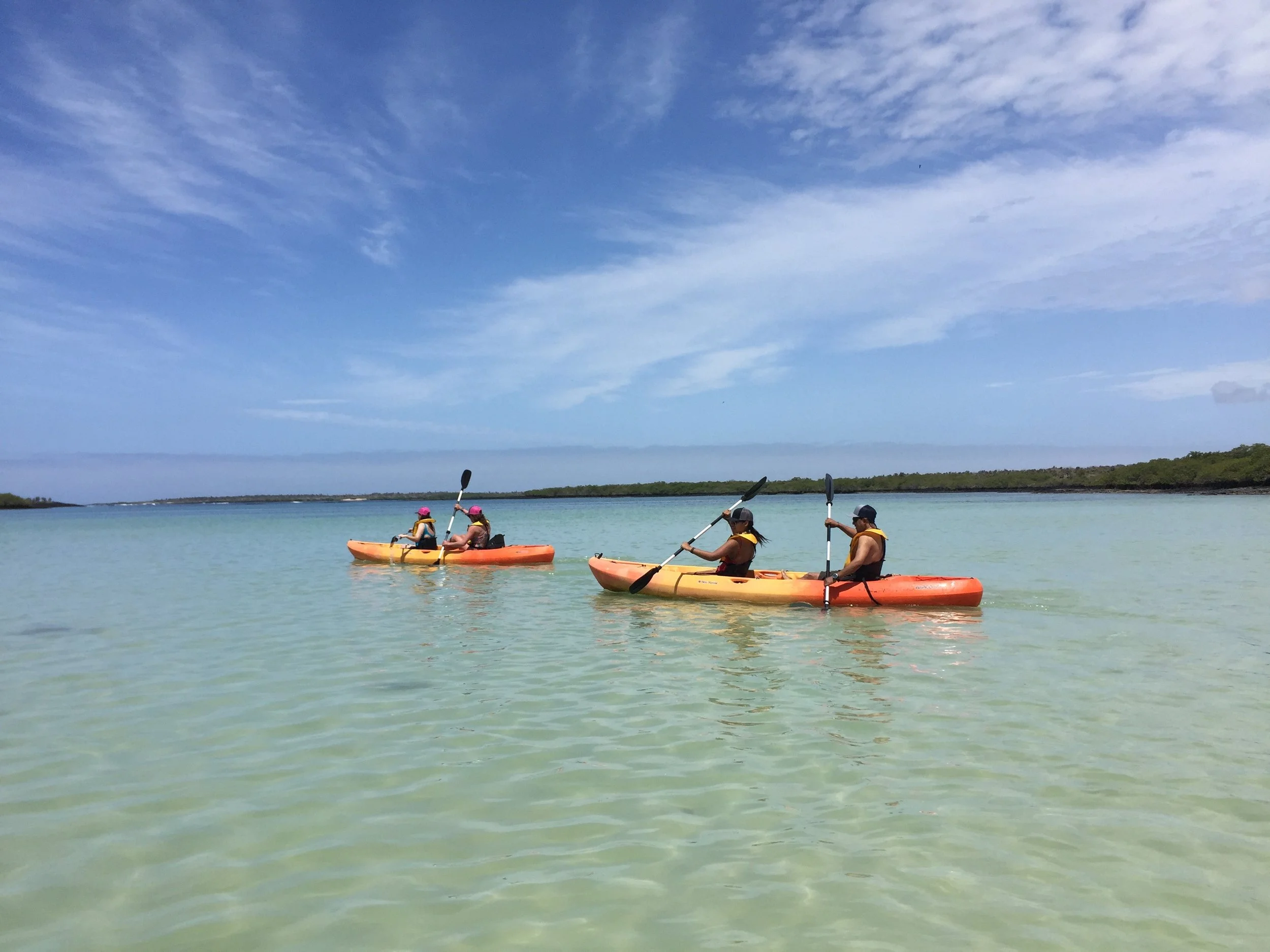
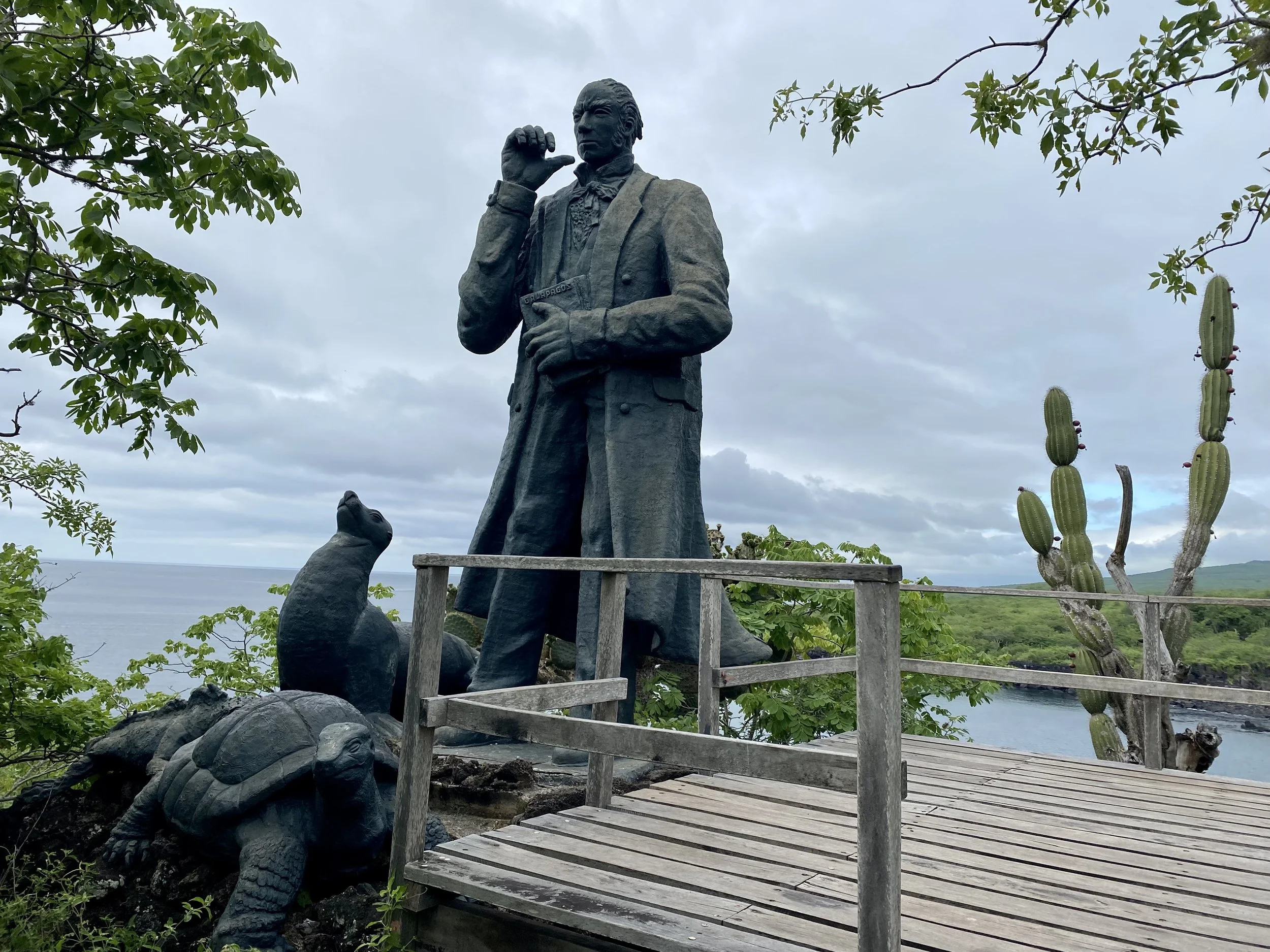
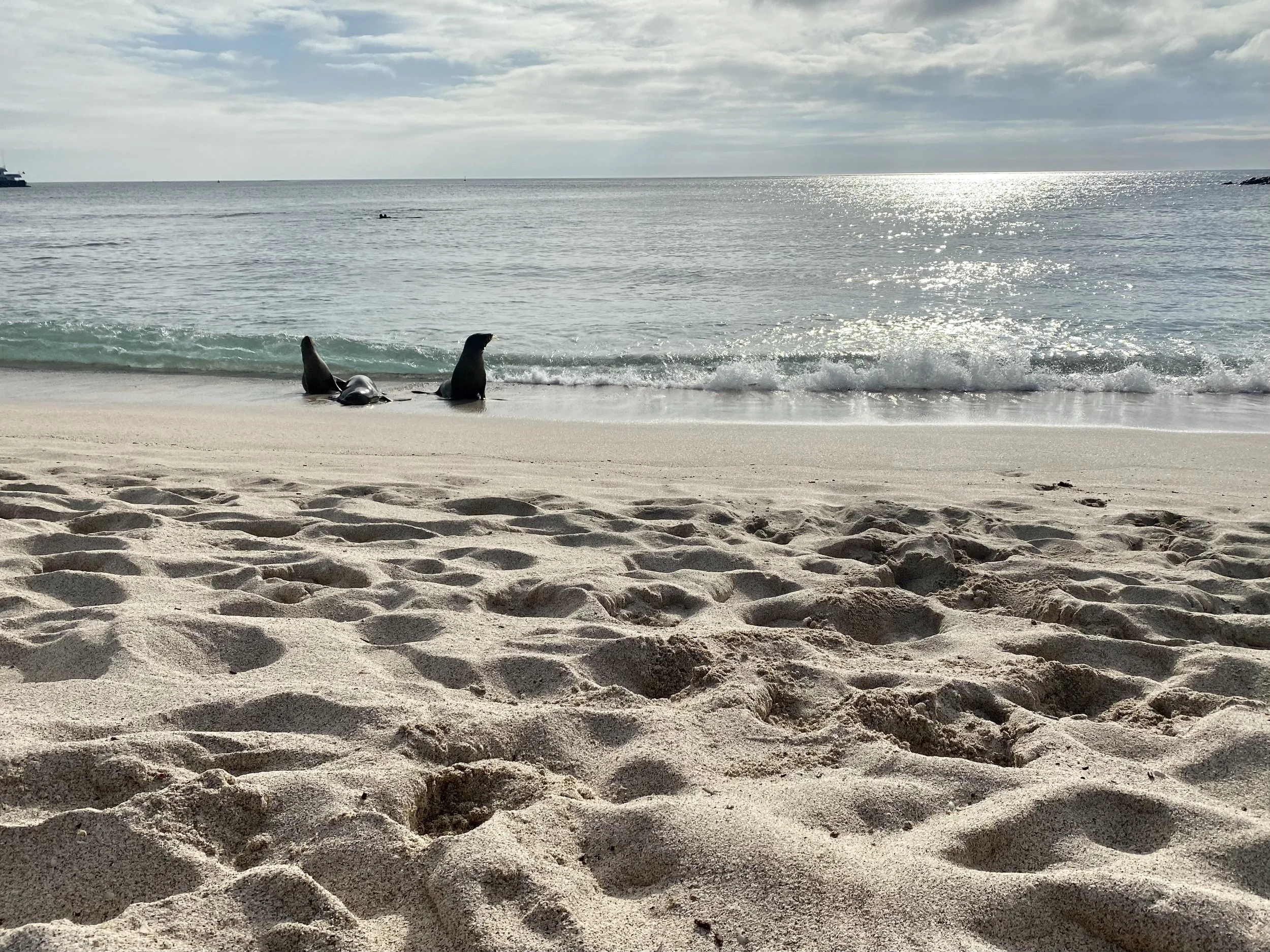
• San Cristobal: Sea lions as a constant daily presence around town and the harbor; Kicker Rock for snorkeling with hammerheads, rays, and reef fish. Has its own airport and is the best option for families; pristine beaches within easy reach, without needing to move much.
• Isabela (the largest and geologically youngest island in the archipelago, with a wilder, more remote feel): Dramatic volcanic scenery, more white-sand beaches, and easy sightings of Galapagos penguins. Sierra Negra offers one of the best hikes in the islands, to the rim of the world's second-largest active caldera.
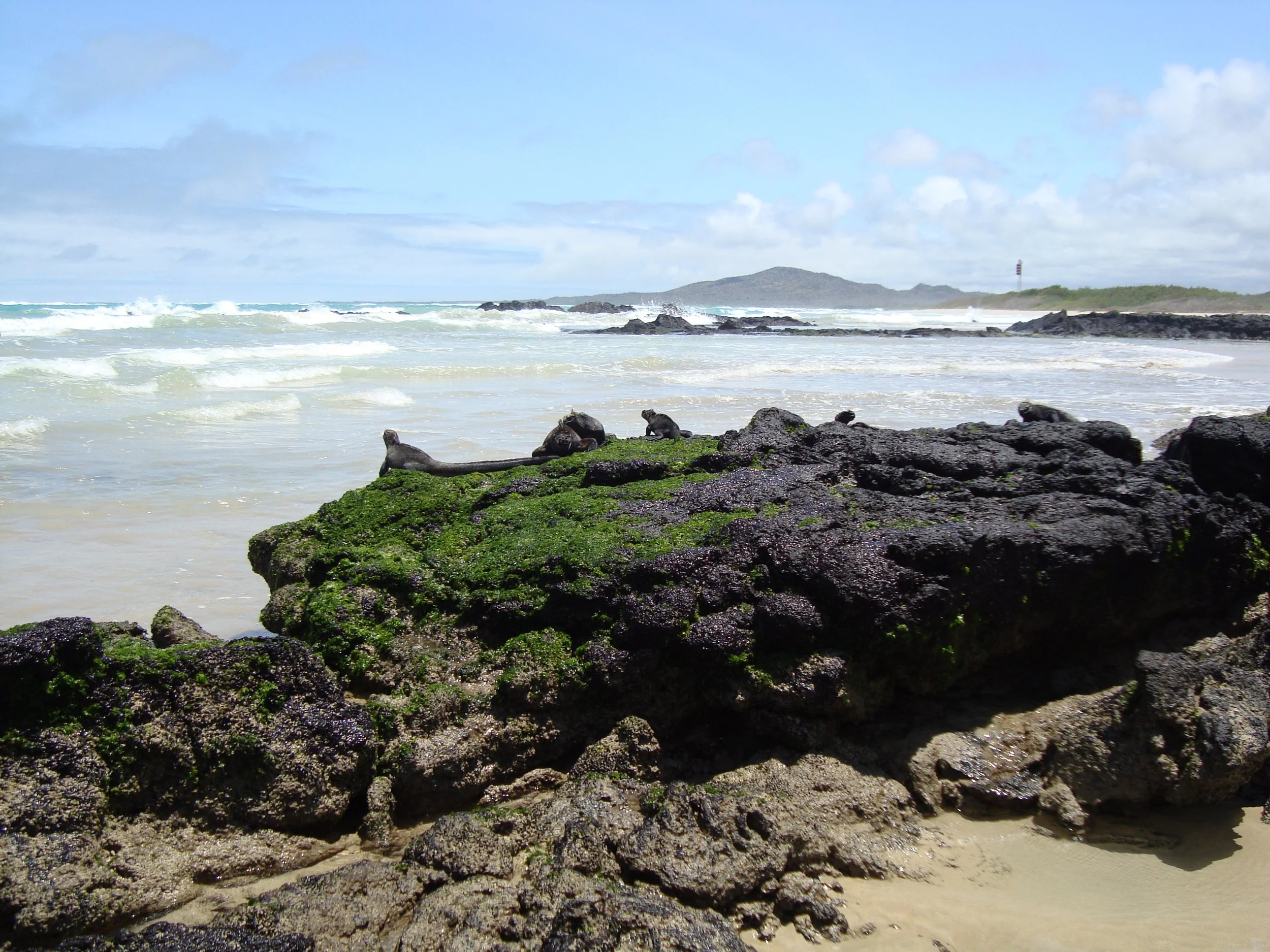
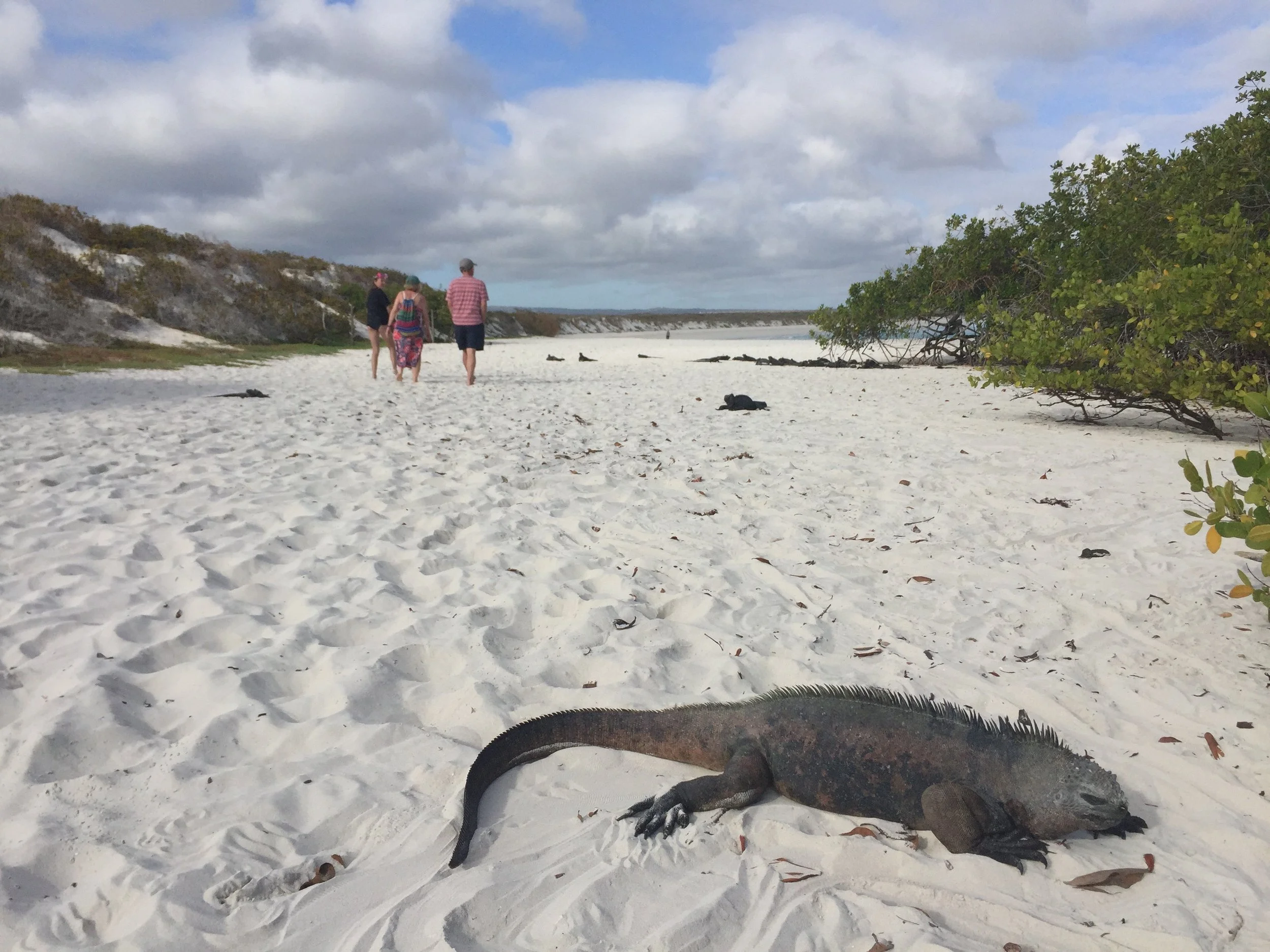
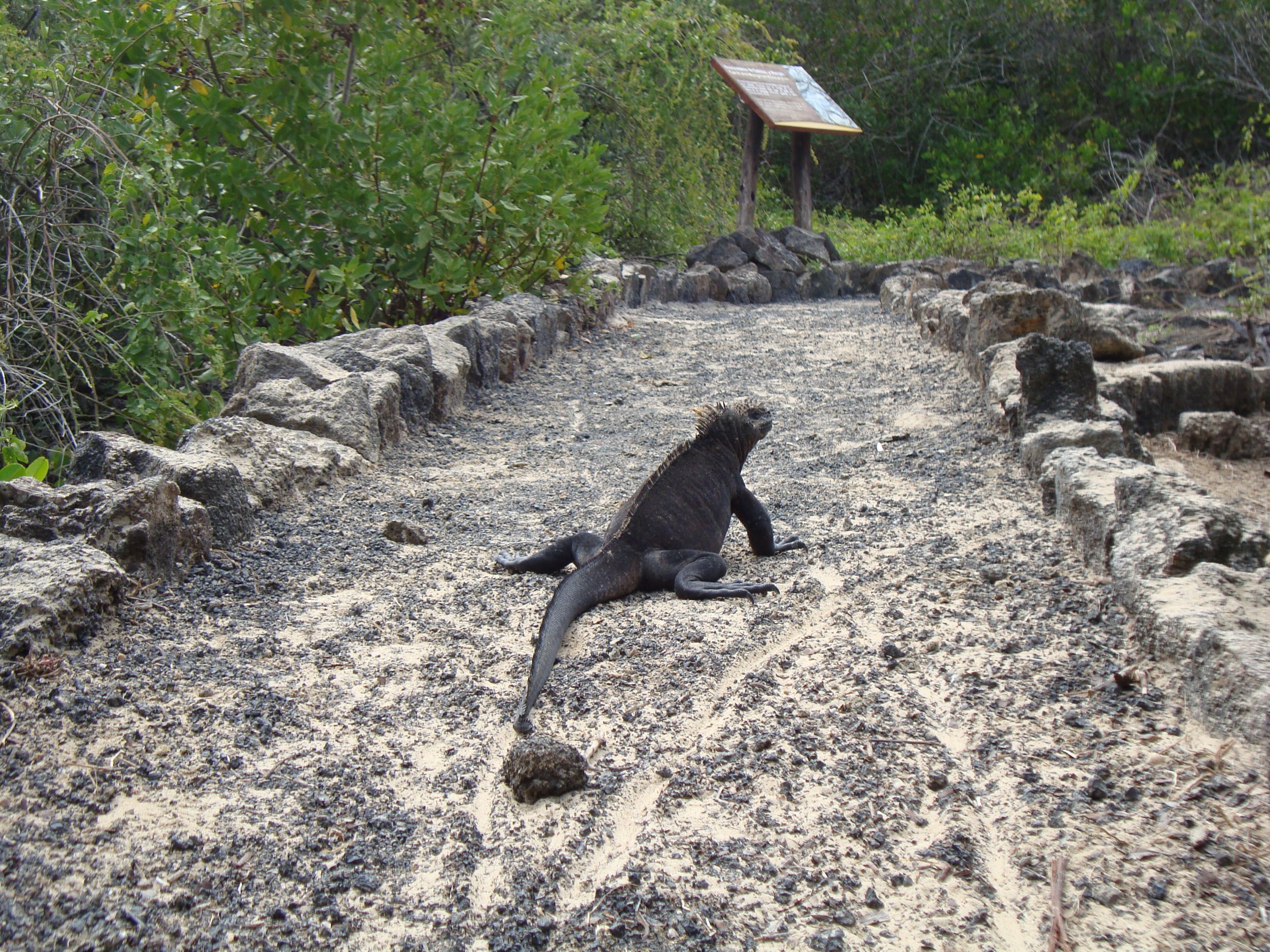
One of our favourite insider recommendations is to include at least two nights on Isabela Island. While cruises offer access to more remote visitor sites, Isabela gives travellers the chance to slow down and experience the islands in a different way. Waking up to one of the most beautiful, wild beaches in the Galapagos, watching marine iguanas wander along the sand, and ending the day with a cocktail at a relaxed beachfront bar as the sun sets over the Pacific are simple experiences that you just can’t have while sleeping on board a vessel.
• Floreana (the smallest inhabited island and the first ever settled, 1830s): With a stranger-than-fiction history of European utopian settlers, rivalries, and a real unsolved 1930s disappearance (the same true story behind Ron Howard's 2025 film Eden). Highlights include Post Office Bay's centuries-old barrel mail tradition, Devil's Crown for snorkeling, Punta Cormorant's flamingo lagoon, and a highlands hike to Asilo de la Paz past a tortoise breeding center.
What sets island-hopping apart isn't the wildlife alone - it's access to island towns, local restaurants, and community-run initiatives that neither cruise nor multi-day-expedition travel reaches, plus the option (via Floreana) to go meaningfully further off the standard route.
Best fit: Travelers who want nature and culture combined, or clients specifically asking for something beyond the three main islands.
At a glance:
| Reaches remote sites | Stable single base | Local towns & culture | Best for | |
|---|---|---|---|---|
| CRUISE | Yes | No | Limited | Wildlife/photo priority, comfortable with sailing |
| MULTI-DAY EXPEDITION | Yes (by Day trip) | Yes | Some | Families, motion-sensitive travelers |
| ISLAND HOPING | Partial | No(moves between islands) | Yes, including Floreana for off-the-beaten-path | Culture + nature combined, for clients wanting more than the main 3 islands |
There's no single "best" way to see the Galapagos, only the format that matches what a given traveler is actually optimizing for. Our Ecuador team works directly with partners and our team of guides across the islands to match format, itinerary, and pace to each client's priorities.
