
Galapagos, off the wildlife trail
Coffee plantation and Trapiche finca tour
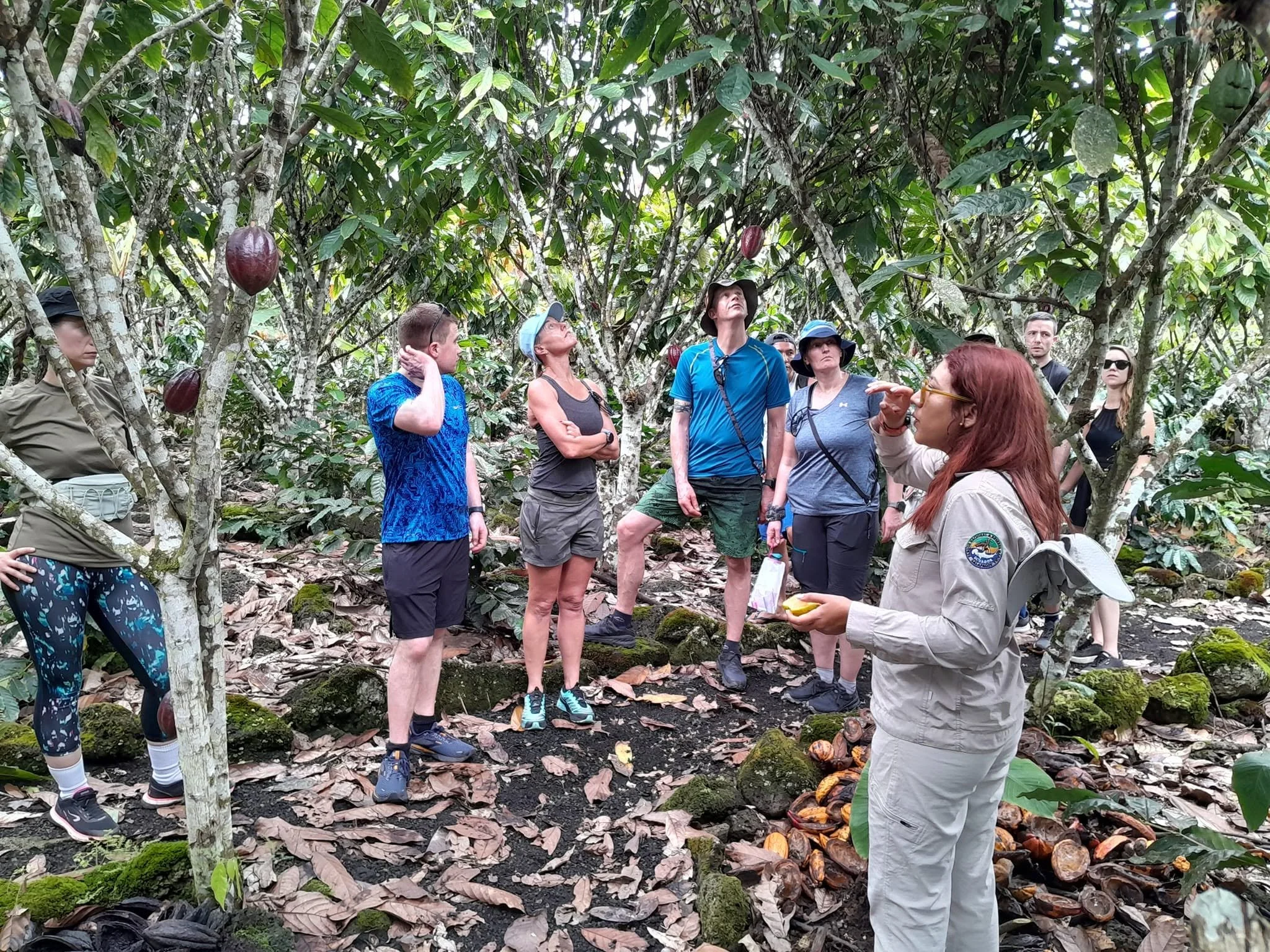
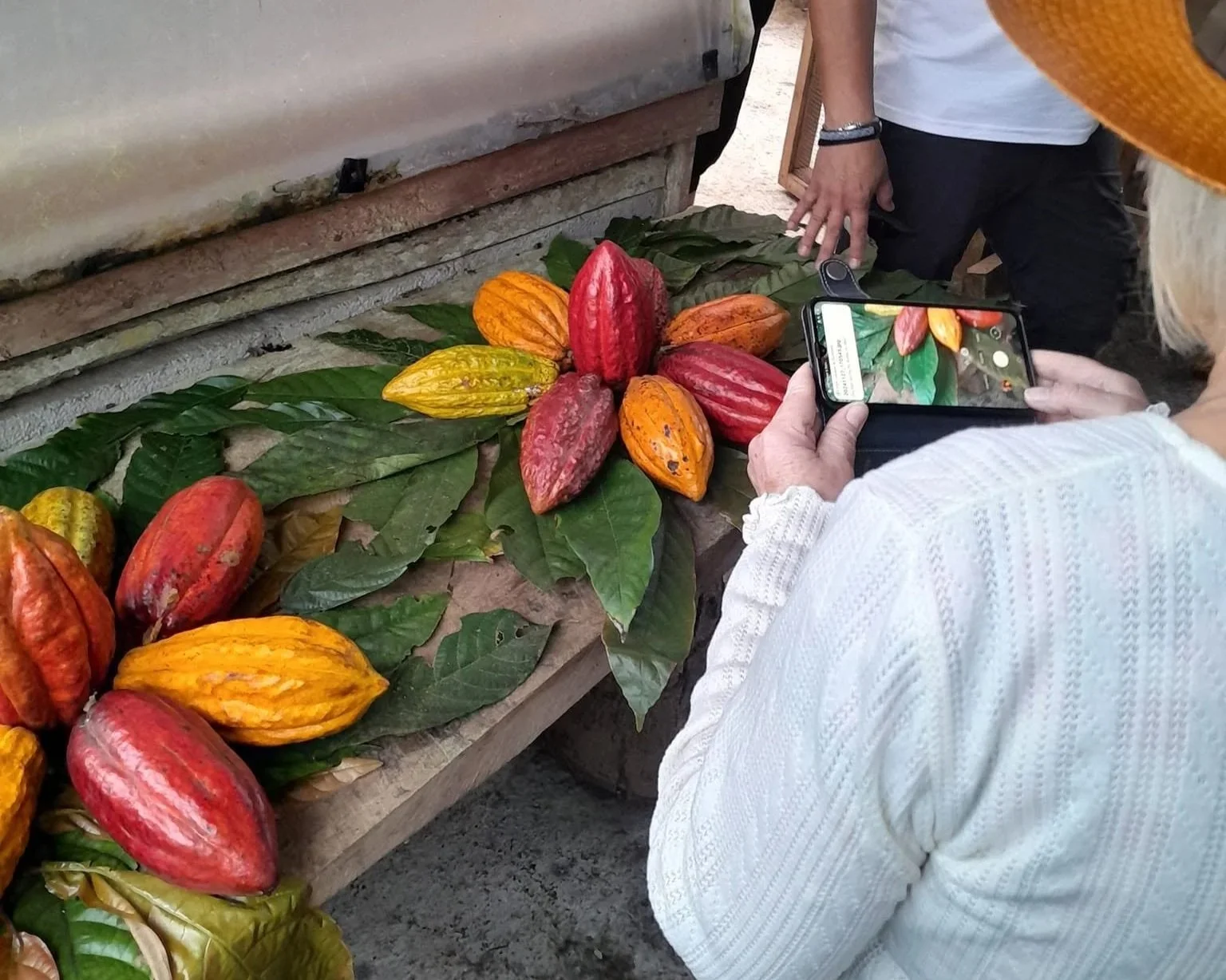
On Santa Cruz Island, coffee farms and giant tortoise reserves share the same volcanic slopes; a rare overlap where farmland, forest, and wildlife still coexist without much separating them. The best coffee grows between 400 and 600 meters above sea level, where cooler nights and mineral-rich lava soil slow down ripening and concentrate flavor.
Most Galapagos itineraries introduce clients to the islands' wildlife. This one introduces them to the people who've spent generations farming its highlands; and for a morning, guests aren't just watching that work happen. They're standing in the middle of it, invited in by the people who do it every day.
From seed to cup at Finca La Viña
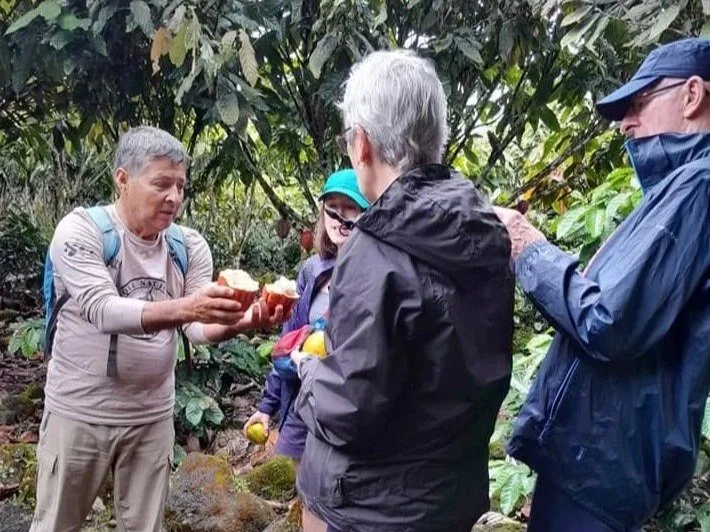
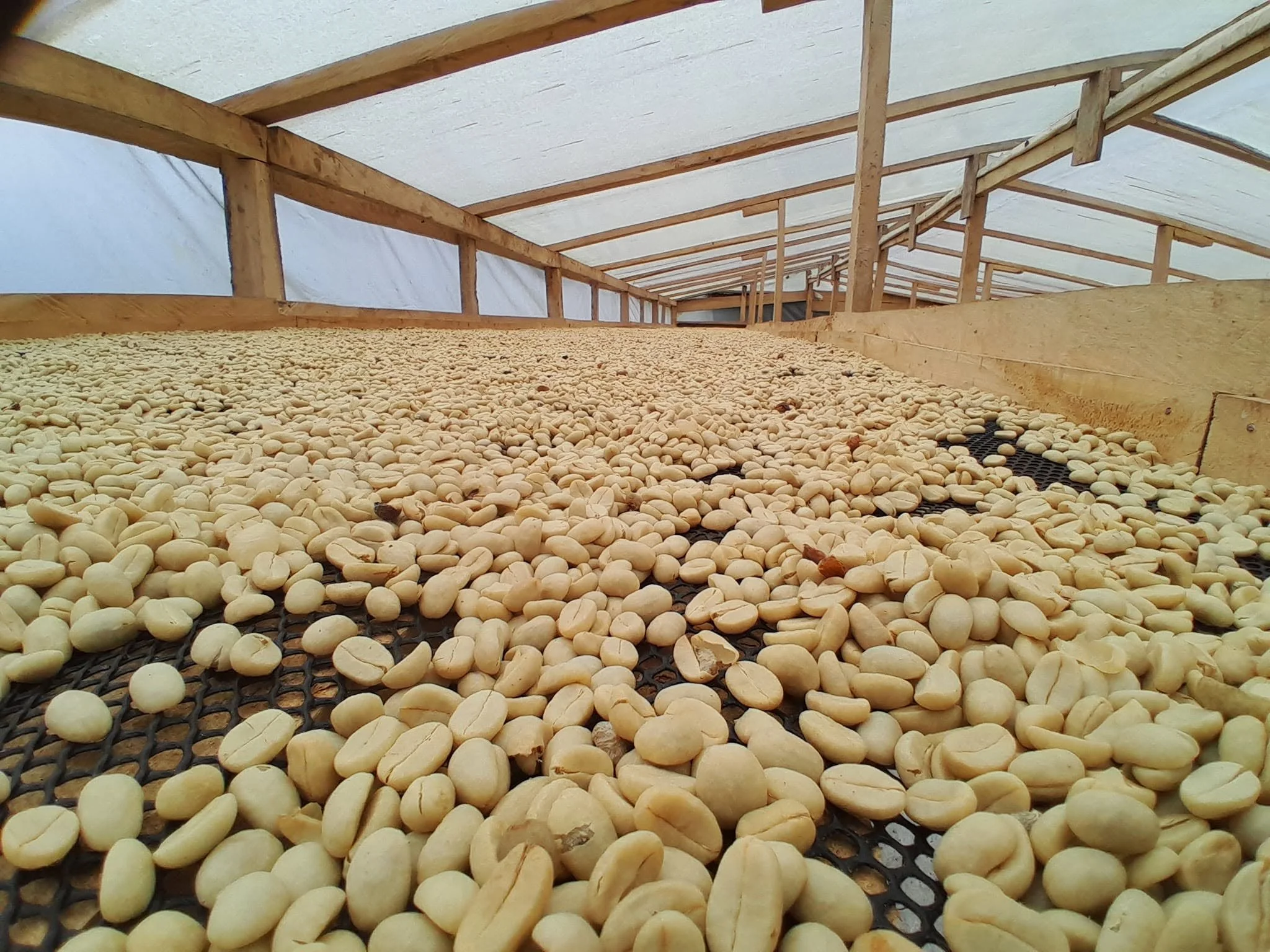
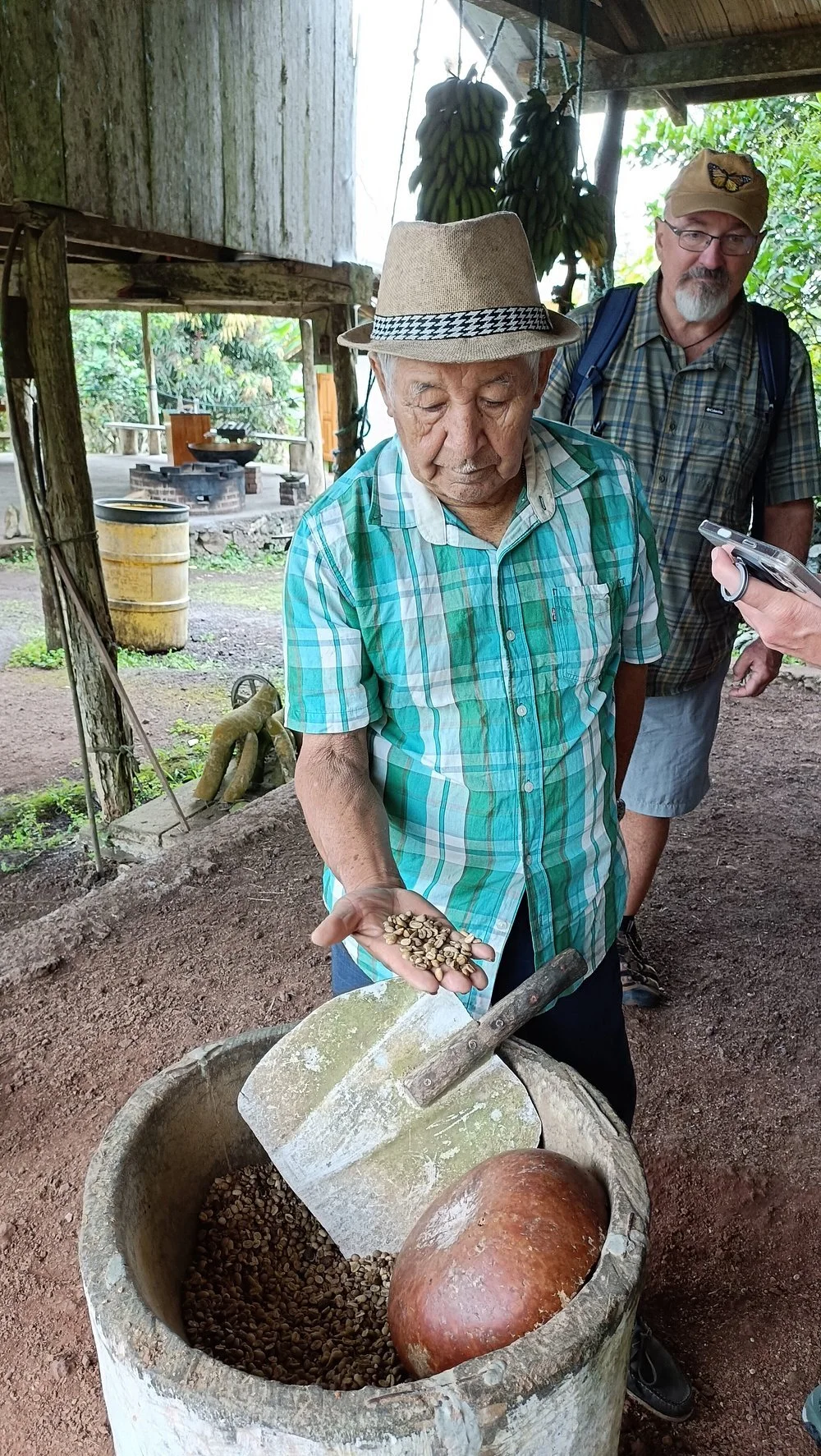
The day starts at Finca La Viña, an organic coffee farm on the western side of Santa Cruz, in the Bellavista parish highlands. A local farmer walks guests through the plantation (from seed to cultivation to harvest) before stopping at the drying area to explain how the beans are processed ahead of roasting. It ends the way it should: a cup of Galapagos coffee, roasted and brewed on-site, tasting distinctly of the ground it came from. These are small, family-run operations, not production facilities, so the farmer doing the explaining is usually the same person doing the pruning, composting, and hand-picking.
A trapiche that's older than it looks
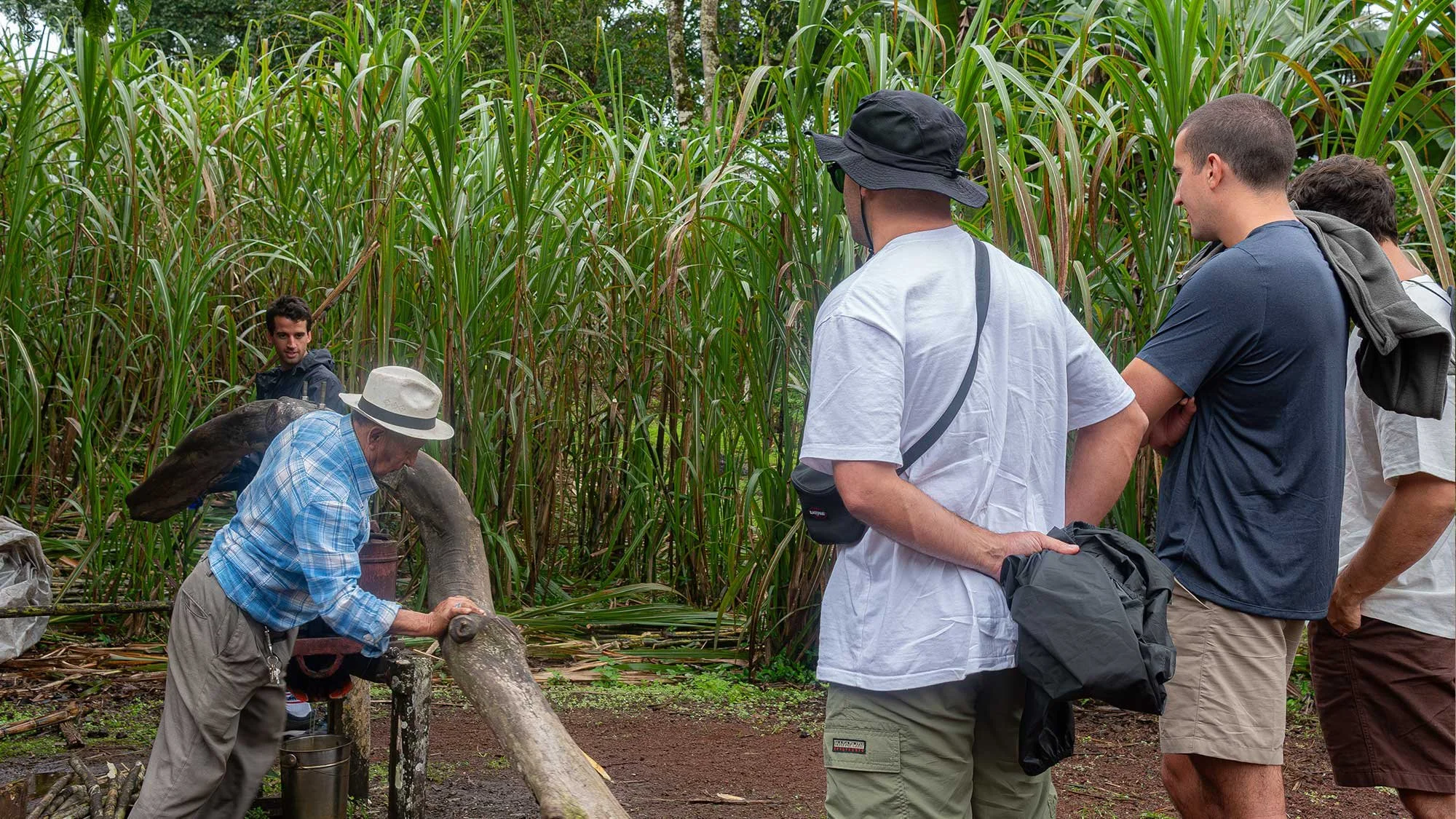
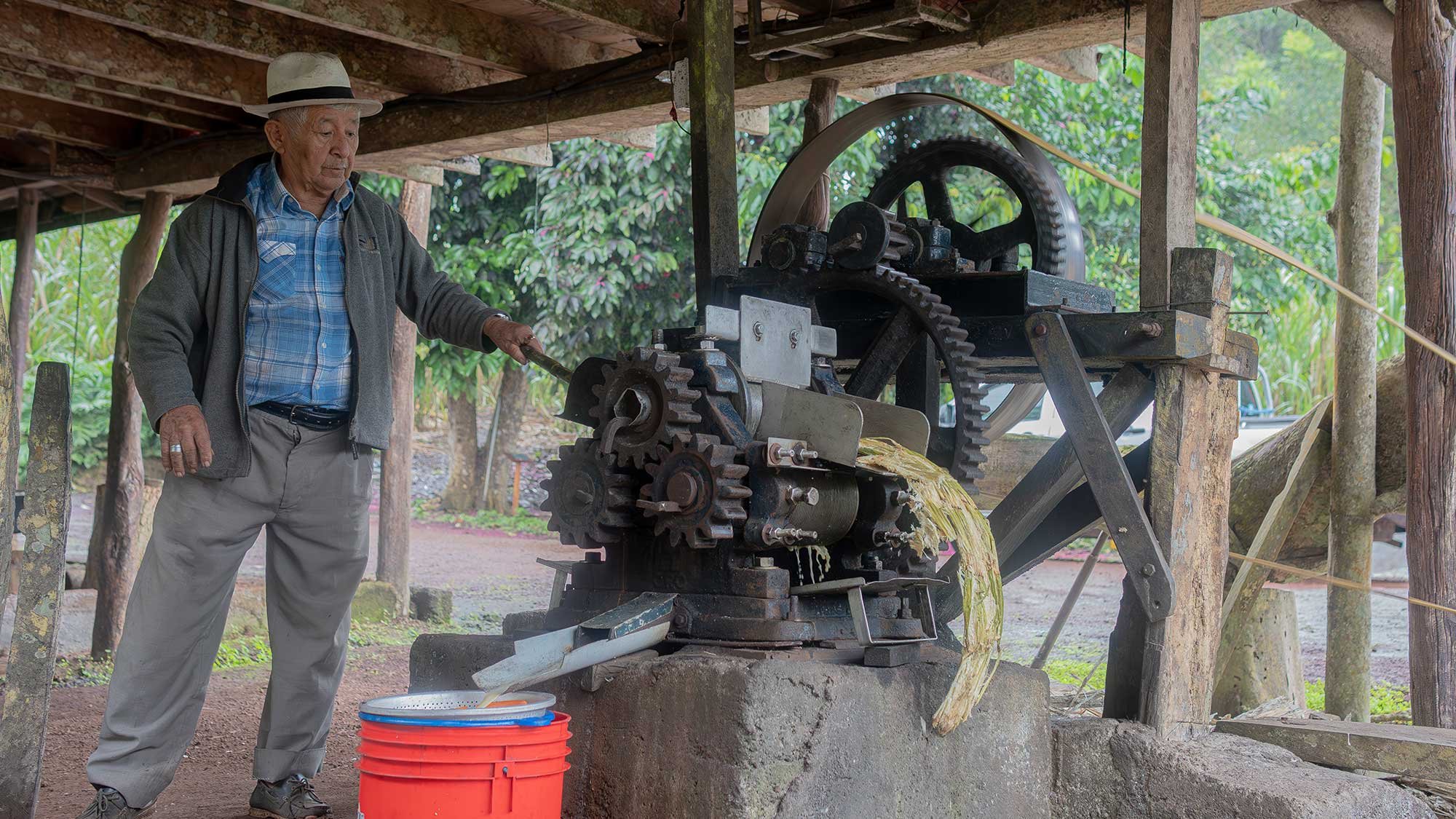
From there, the tour moves to a trapiche: a mule-driven sugarcane press, still worked the traditional way. Guests watch cane juice get extracted and turned into white and brown sugar, panela, and aguardiente, the local cane liquor. Some of these presses have been running the same way for generations, kept by families who've held onto the hand technique rather than mechanizing it, a detail that makes the stop feel like a working farm, not a demonstration built for visitors.
The highlands add a few things a coastal day won't: a chance to spot Darwin's finches and native owls along the way, and a genuinely different pace than a boat excursion. Closed shoes are worth mentioning to clients ahead of time, the terrain is uneven in places. Paired with a stop at El Garrapatero beach or the Cerro Mesa reserve, it rounds into a full day that shows a side of Galapagos most visitors never see.
What makes this stop different
There's a particular feeling in being welcomed into someone's daily labor rather than watching a version staged for visitors ; hearing a farmer talk about his own coffee beans, his own soil, his own routine, because that's simply what the morning looks like for him. Along the way, guests can also spot Darwin's finches and native owls in the highlands. Closed shoes are worth mentioning ahead of time, since the terrain is uneven in places. Paired with a stop at El Garrapatero beach or the Cerro Mesa reserve, it rounds into a full day that puts the human side of the islands alongside the natural one.
Why it's worth adding to the itinerary
This is a strong recommendation for clients on a land-based stay in Santa Cruz who want something beyond snorkeling and wildlife-watching; travelers curious about how people actually live and work on the islands, families, or anyone who values a personal exchange over a checklist stop. It adds a layer to a Galapagos program that's easy to overlook, and hard to replicate anywhere else on the islands.
Reach out to our Ecuador team to add it to an upcoming Galapagos program.
