
Galapagos 2026:
Here's what we confirm on every booking, and why
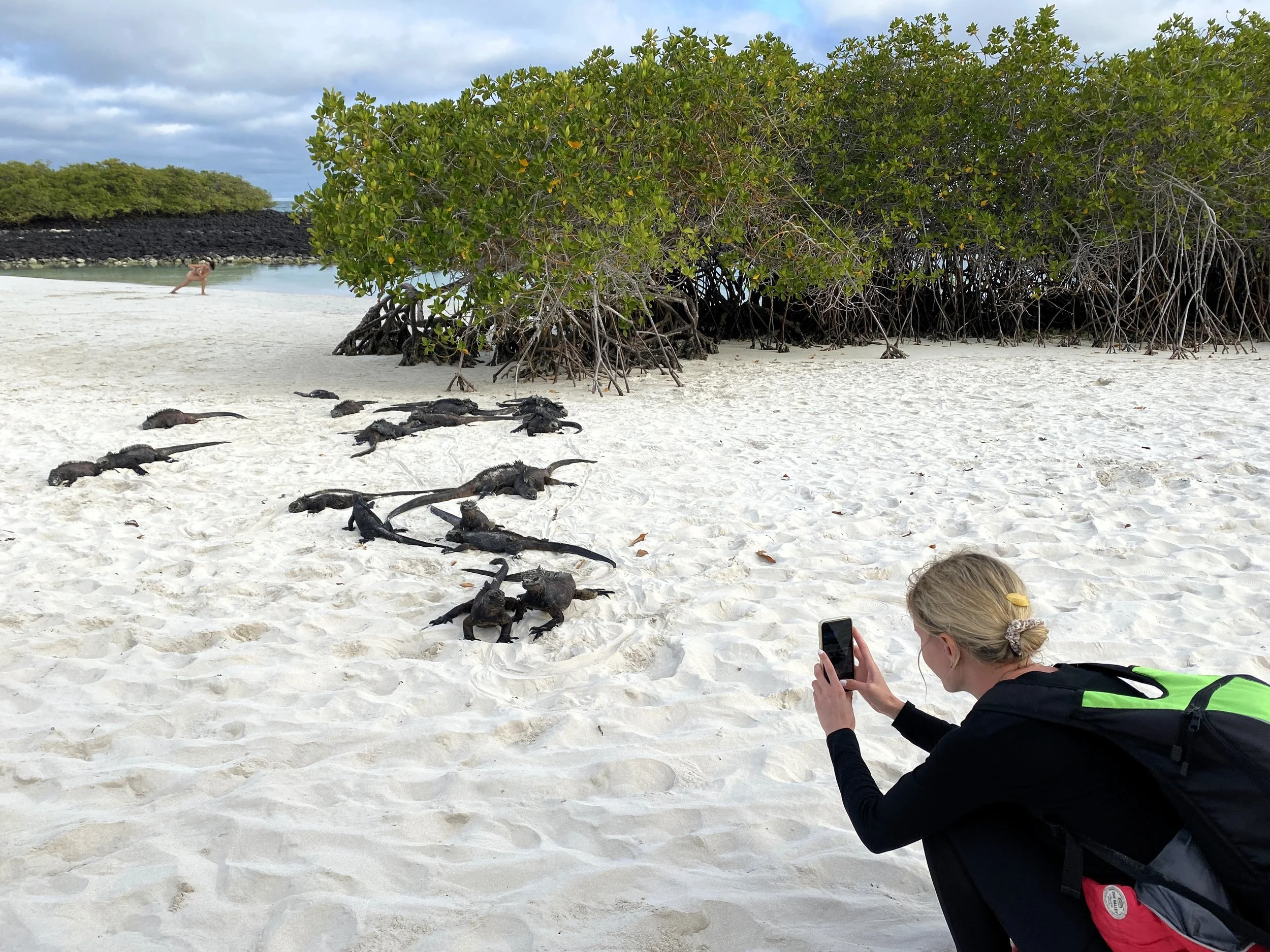
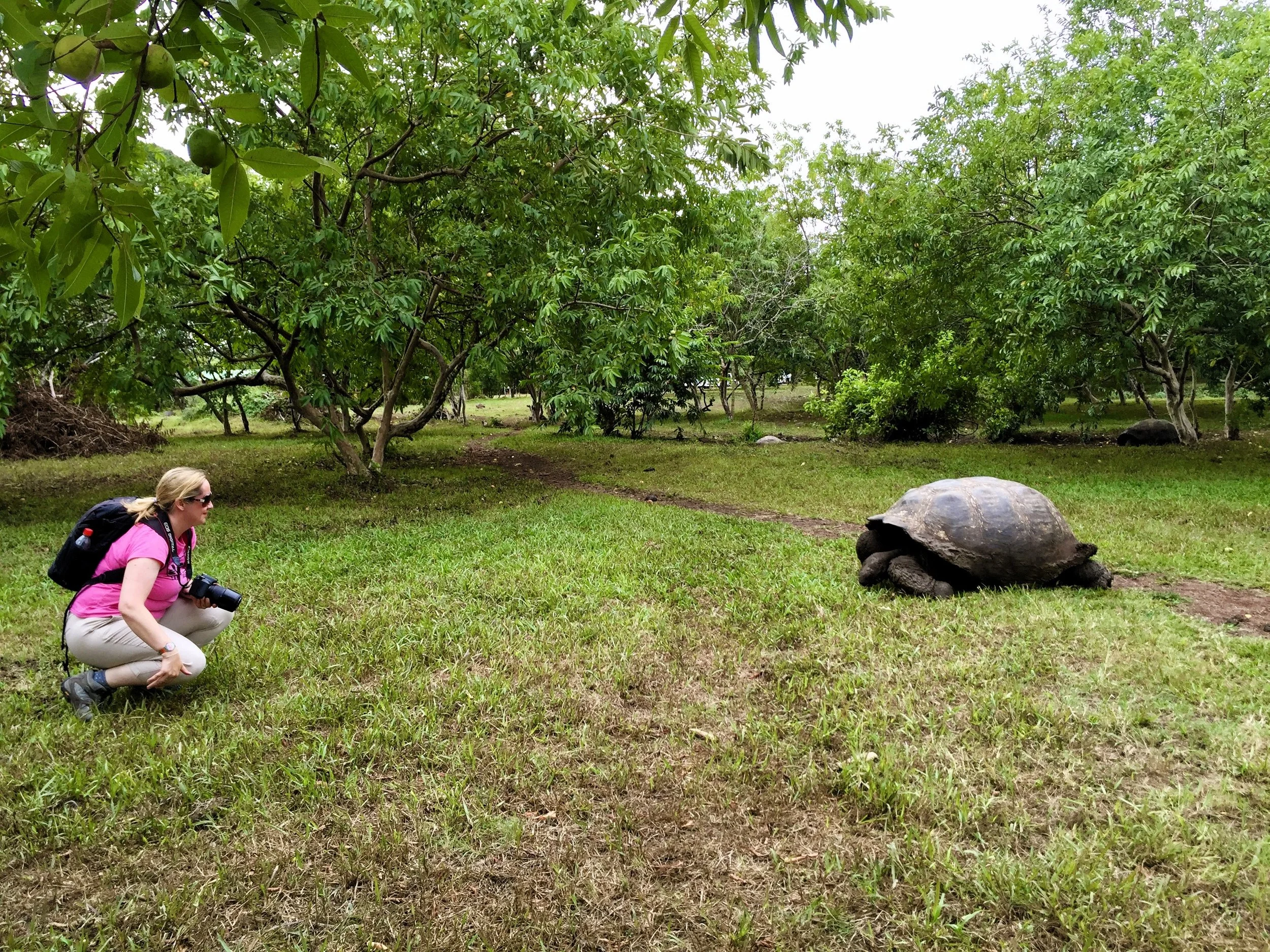
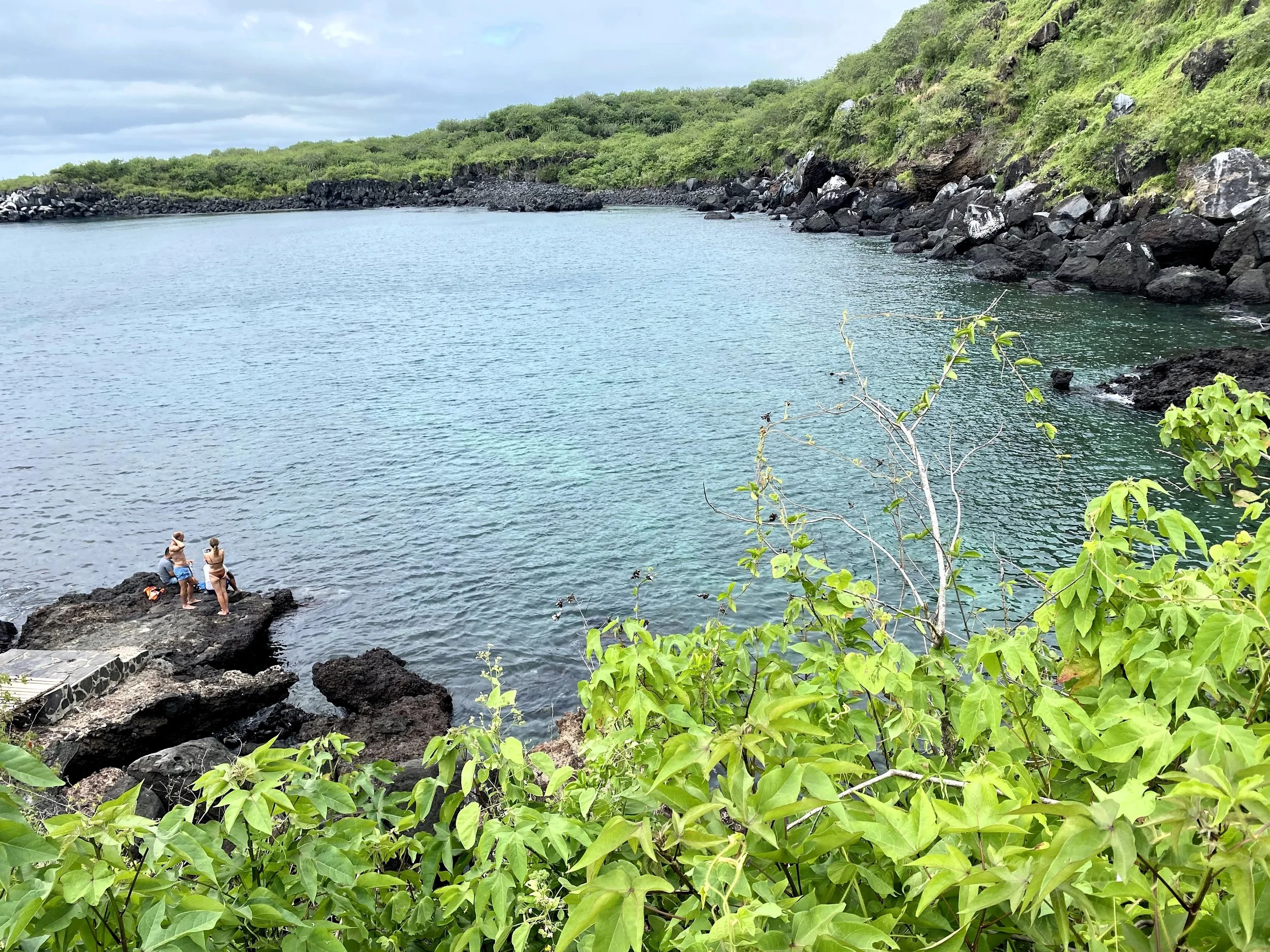
For most travelers, Galapagos is a once-in-a-lifetime trip, the kind that sits on a list for years before it gets booked. That's exactly why the sequence behind it matters: get the checks right early, and our team handles the rest.
Here's what we confirm on every booking, and why.
1. Flights set the pace for the whole itinerary
Embarkation and disembarkation days run on a tighter schedule than most itineraries assume. Galapagos is only reachable via mainland Ecuador, flying out of Quito or Guayaquil, so we build in at least two days on the mainland before the Galapagos departure. That buffer protects the cruise or Galapagos flight from an international delay, and it turns into a bonus for the client, giving them a day in Quito or Guayaquil that adds another layer to the trip.
2. Three steps are easiest to handle before departure
• The online declaration form, confirming the traveler isn't carrying prohibited goods.
• The TCT (Transit Control Card), arranged in advance through the local agency for $20 per person, using passport details, return flights, and hotel or cruise information.
• The Galapagos National Park entrance fee, $200 per adult, best arranged ahead of arrival for a faster, cash-free entry.
Sorting all three in advance means the arrival is smooth from the moment the client lands.
3. Biosecurity is part of what keeps the islands worth visiting
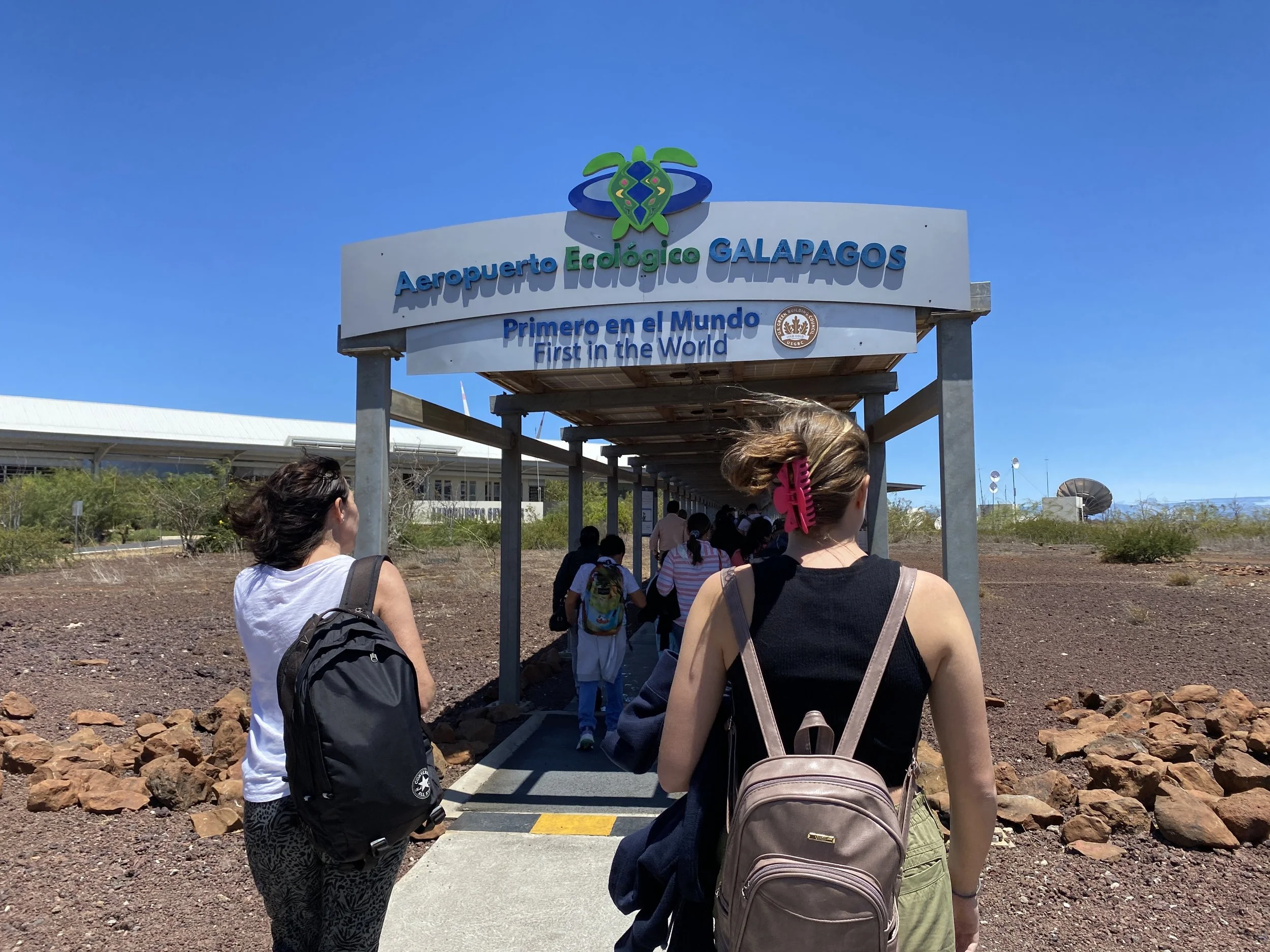
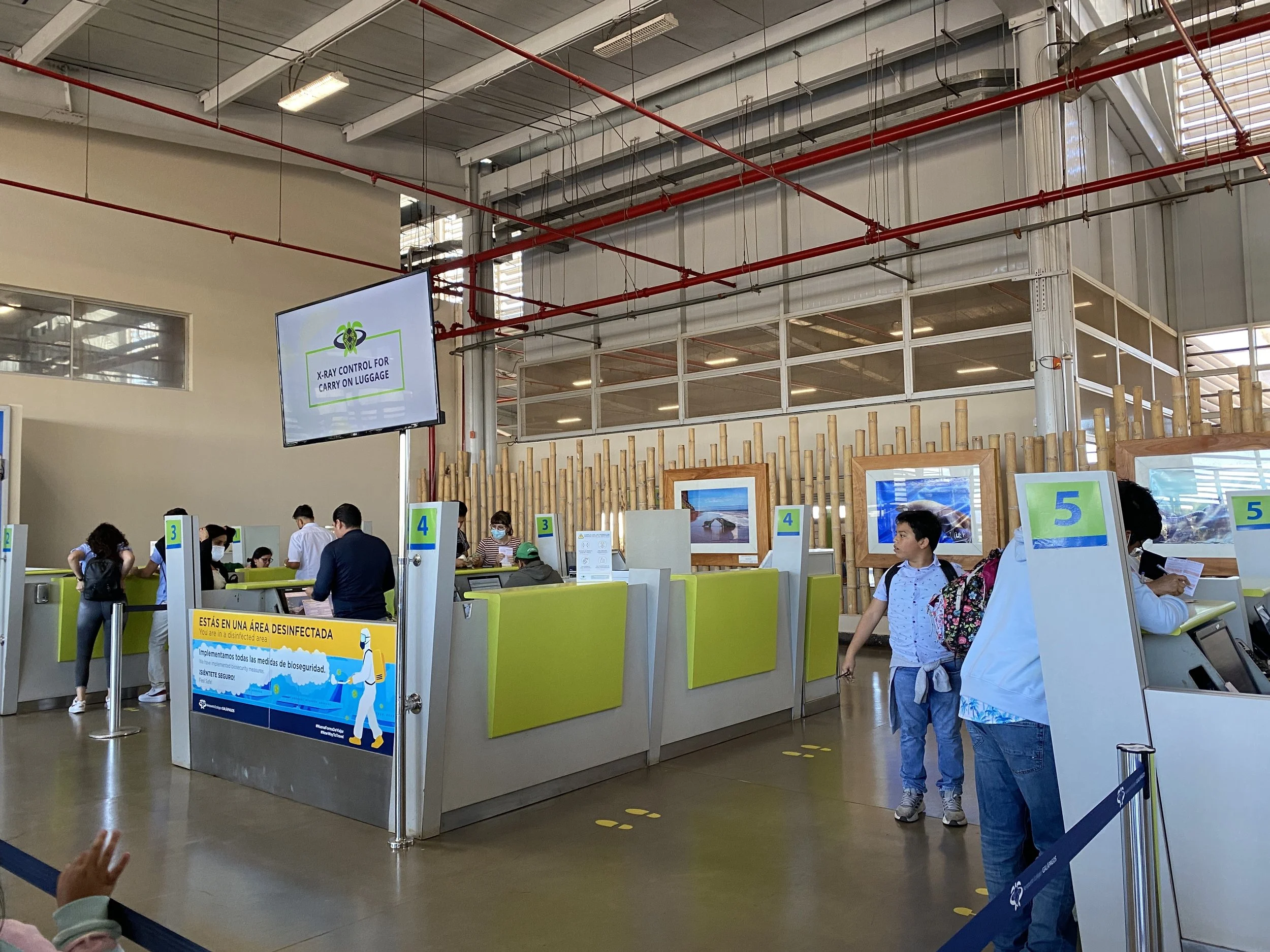
Fresh fruit and vegetables, plants, seeds, soil, and certain animal or plant products are restricted or prohibited: the rules that protect the ecosystem clients are coming to see. Packaged foods may be allowed but go through inspection. Before check-in for any Galapagos flight, luggage passes through a biosecurity check in Quito or Guayaquil, and bags are sealed afterward. The standing advice for clients: when in doubt, declare it.
4. Each island runs on its own arrival logistics
San Cristobal Airport sits five minutes from Puerto Baquerizo Moreno, the island's main town (a short, simple transfer). Baltra works differently: it's a small island built around the airport itself, so arrival includes a bus ride and a five-minute ferry across the Itabaca Channel to Santa Cruz, followed by either a direct transfer to a waiting cruise ship or a further 45-minute crossing to Puerto Ayora for land-based stays. Which airport a client flies into is set by the cruise or island-hopping itinerary already booked; which is why we plan each island segment on its own terms.
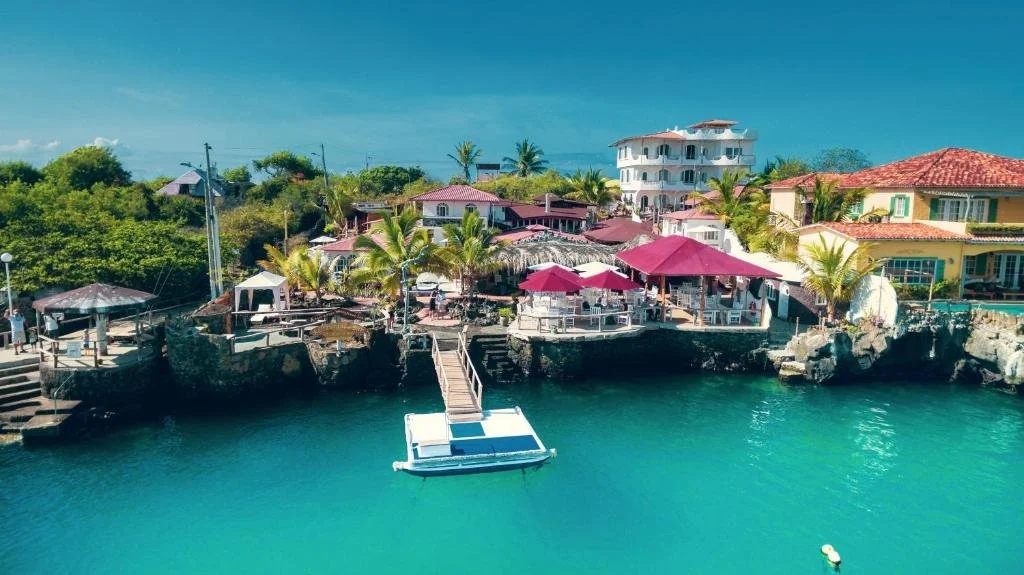
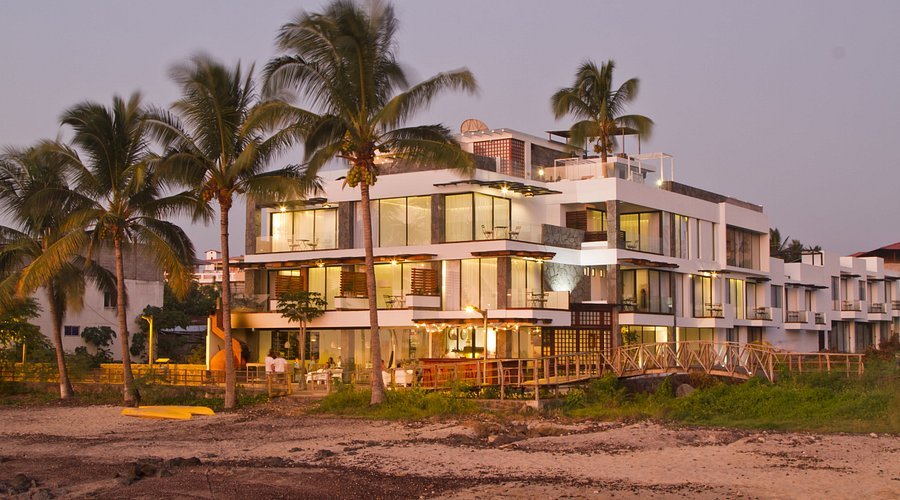
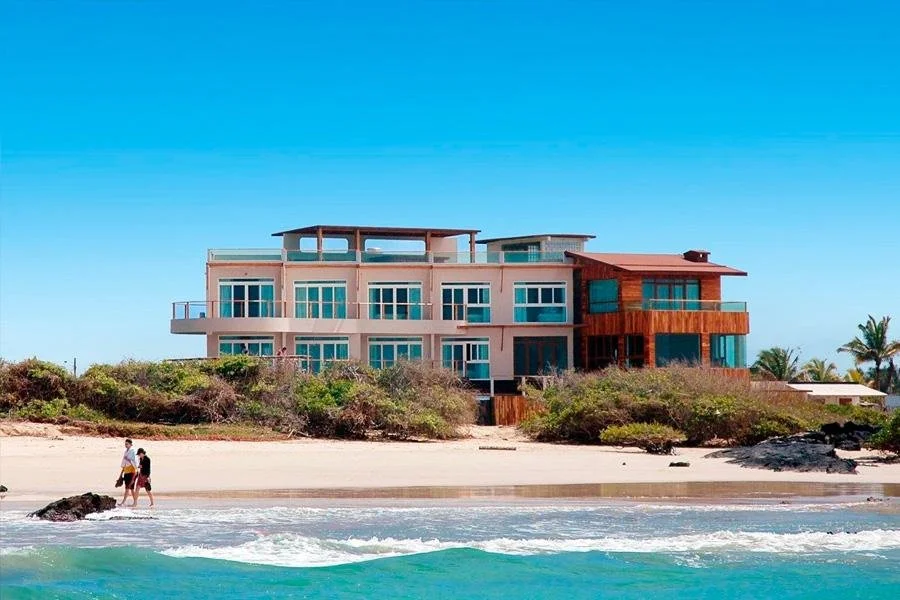
5. Confirmed lodging is the first step in the operation.
Visitor site schedules, authorized naturalist guides, and landing logistics all have to align with the itinerary once the cabin is confirmed. Galapagos is a National Park first: many sites can only be visited with an authorized guide, and the Park manages visitor numbers and scheduling at each site directly. Itineraries can shift for reasons outside any agency's control, so we review the full operational sequence alongside the reservation itself.
*Airport transfers, pier transfers, luggage handling, and guide assignments can each involve a different supplier. We confirm who's responsible for each handoff, and when, as part of final confirmation.
6. Inter-island transport comes with its own character
Local speedboats connect Santa Cruz–Isabela and Santa Cruz–San Cristobal; getting between Isabela and San Cristobal means routing through Santa Cruz. The crossings can be lively: we get travelers there early and aim for a seat toward the back for a smoother ride. Small inter-island flights are the alternative: quick, scenic, and part of the experience in their own right, with baggage kept light to match the aircraft.
7. Special requests land best with a little lead time
Dietary requirements, mobility considerations, diving arrangements, and cabin preferences are all easiest to place before inventory fills up.
8. The right land-based island comes down to the client
Santa Cruz is the busiest and most developed, with the widest range of hotels, restaurants, and activities. San Cristobal is quieter and more relaxed. Isabela is the most remote of the three. Matching the island to what the client wants from a land-based stay is what makes the choice feel personal instead of default.
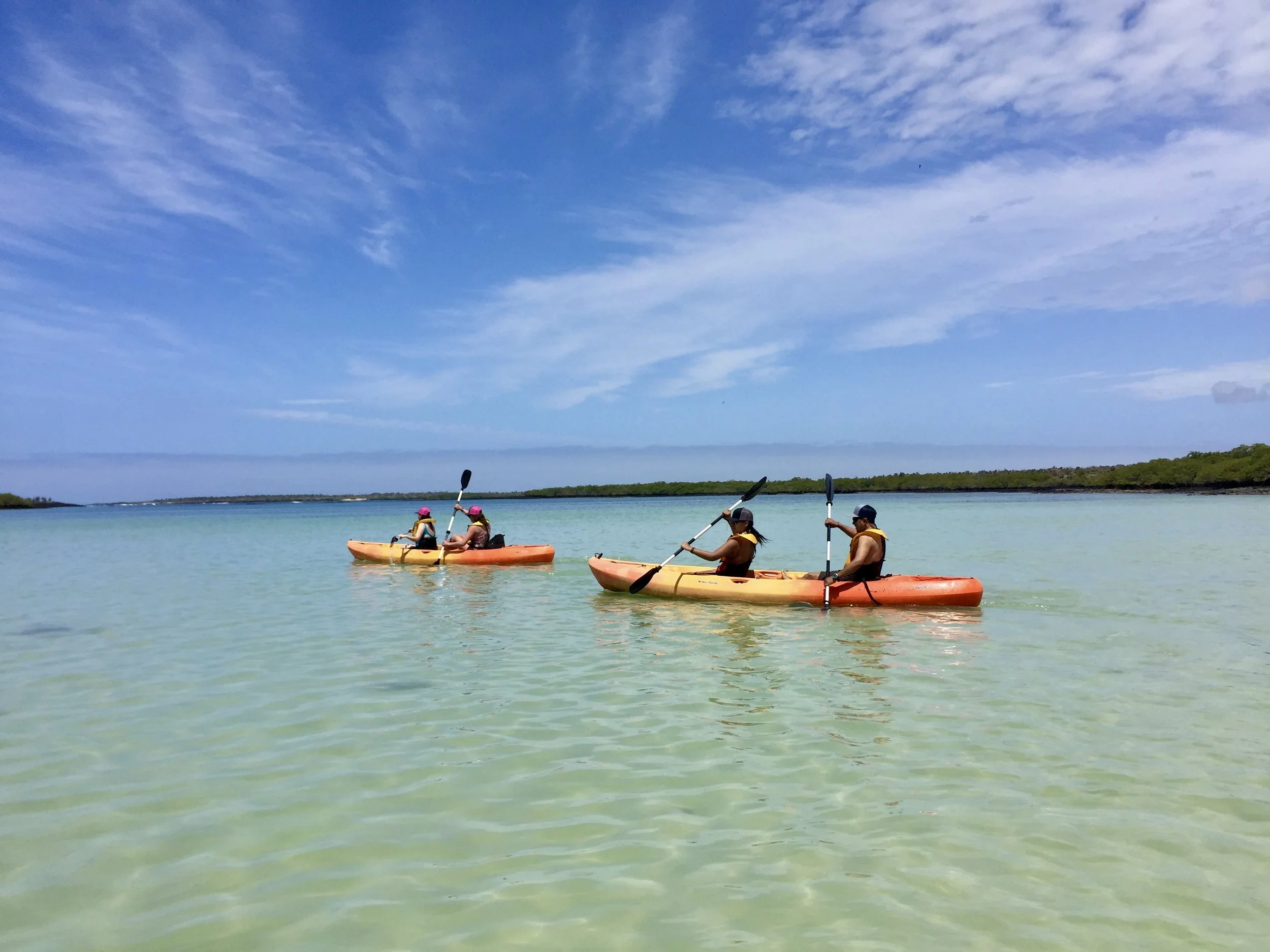
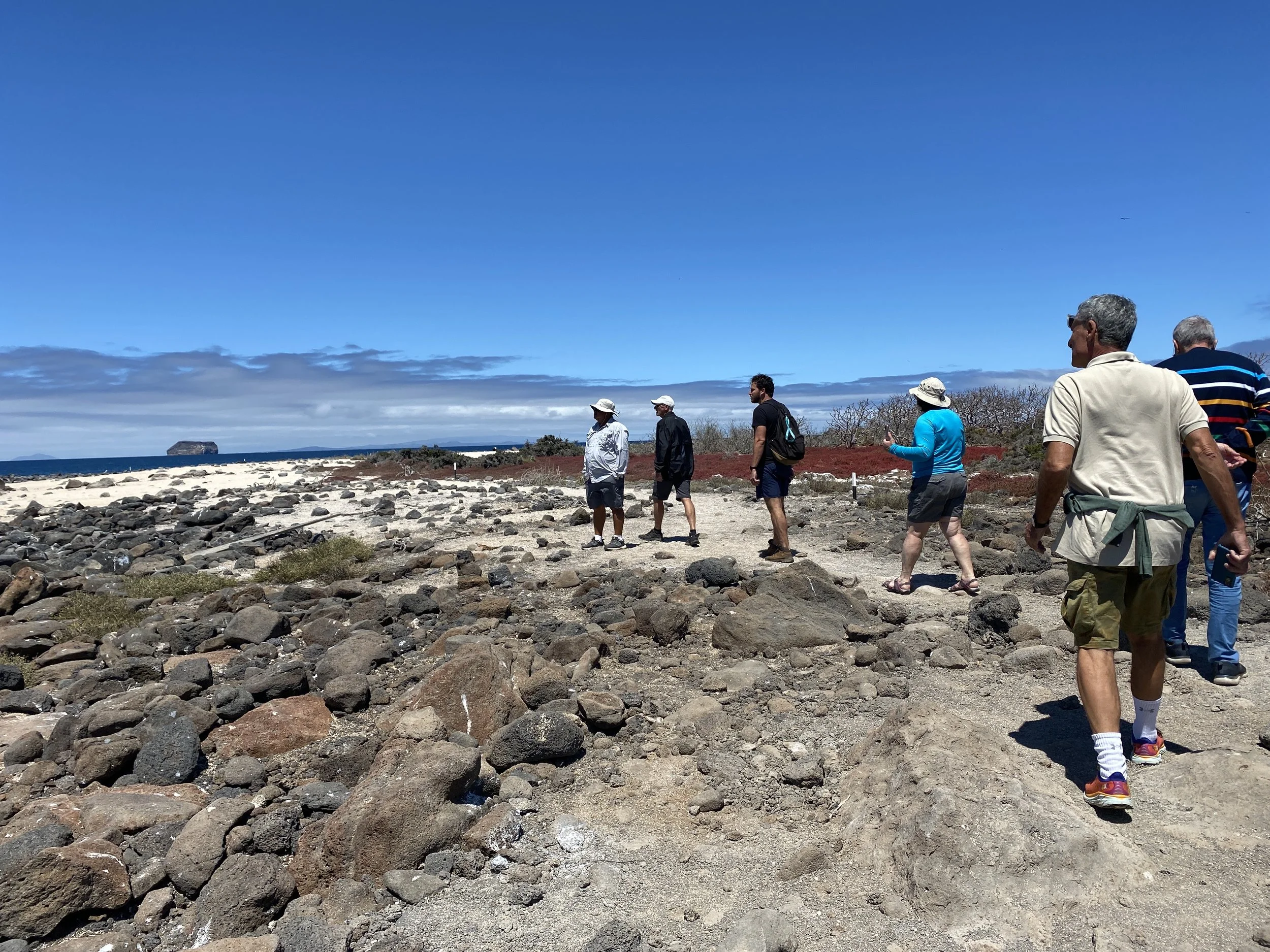
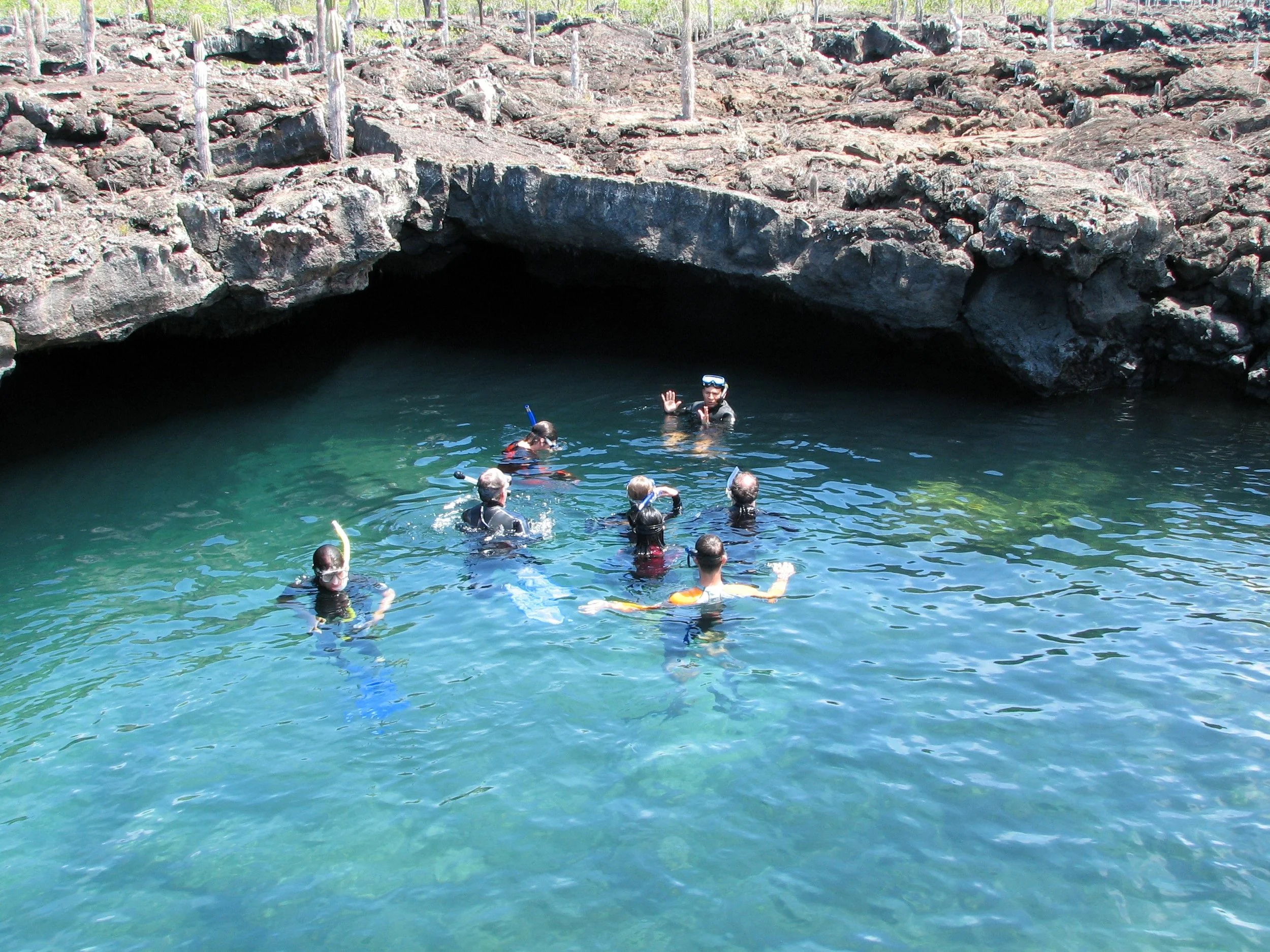
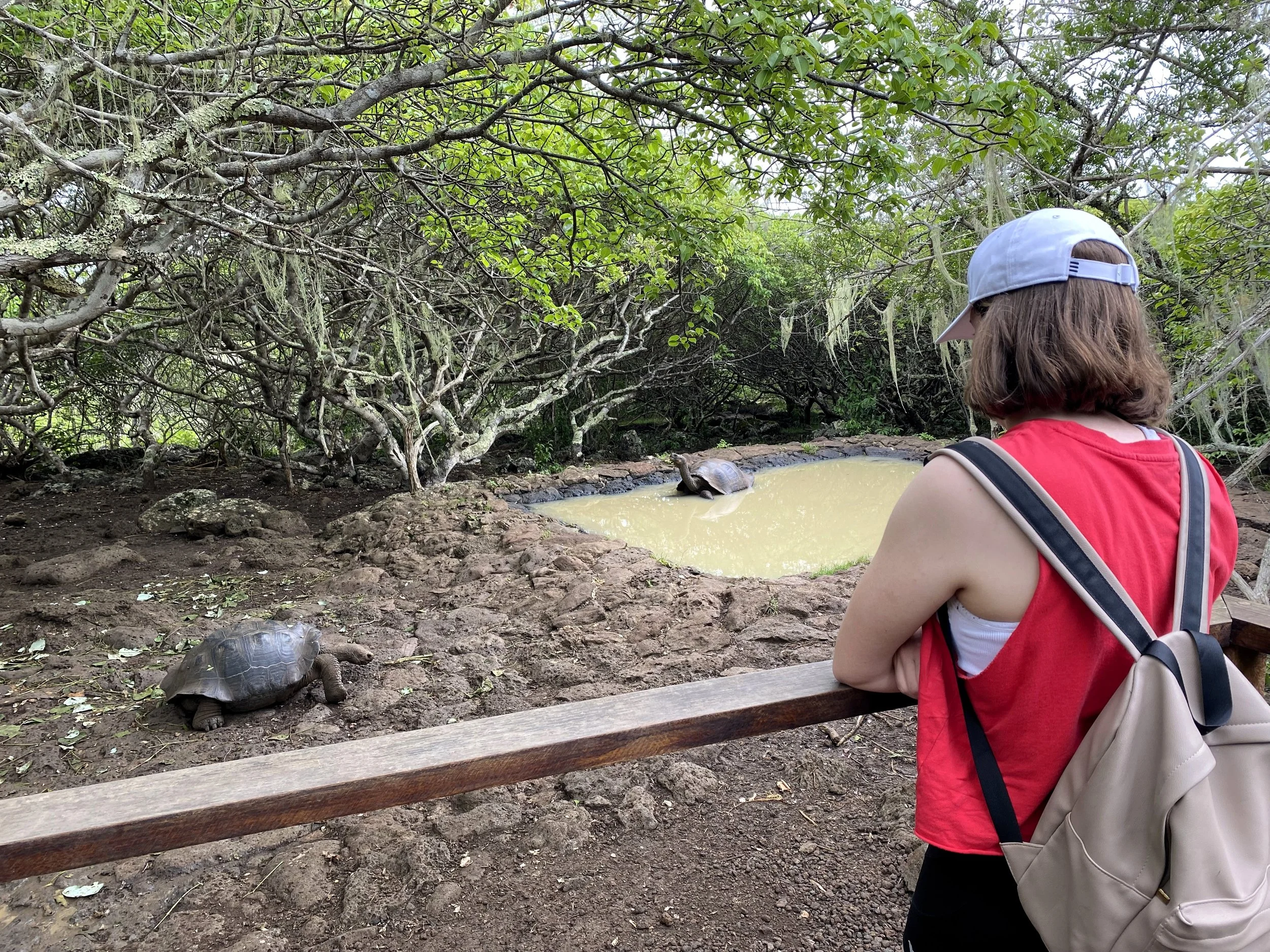
The strongest Galapagos operations plan flights, transfers, vessel logistics, and park procedures as one sequence from the start, so that a trip clients have waited years for goes exactly as pictured.
Reach out to our local team and we'll help you build it right.
